
Enhances Cognitive Development
- Exposure to different cultures and languages broadens children’s thinking and problem-solving abilities.
- Learning about diverse traditions and viewpoints sharpens critical thinking and creativity.
- Cultural diversity fosters cognitive flexibility, allowing children to adapt to new situations effectively.
- It encourages curiosity and exploration of the world beyond one’s immediate environment.
- Multilingual and multicultural experiences promote advanced language and communication skills.
Promotes Social and Emotional Growth
- Children develop empathy by understanding and respecting others’ feelings and perspectives.
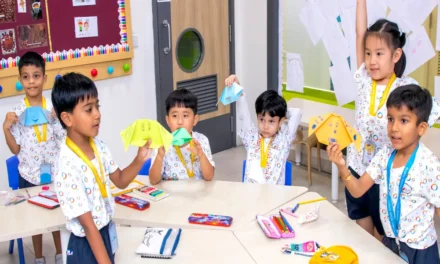
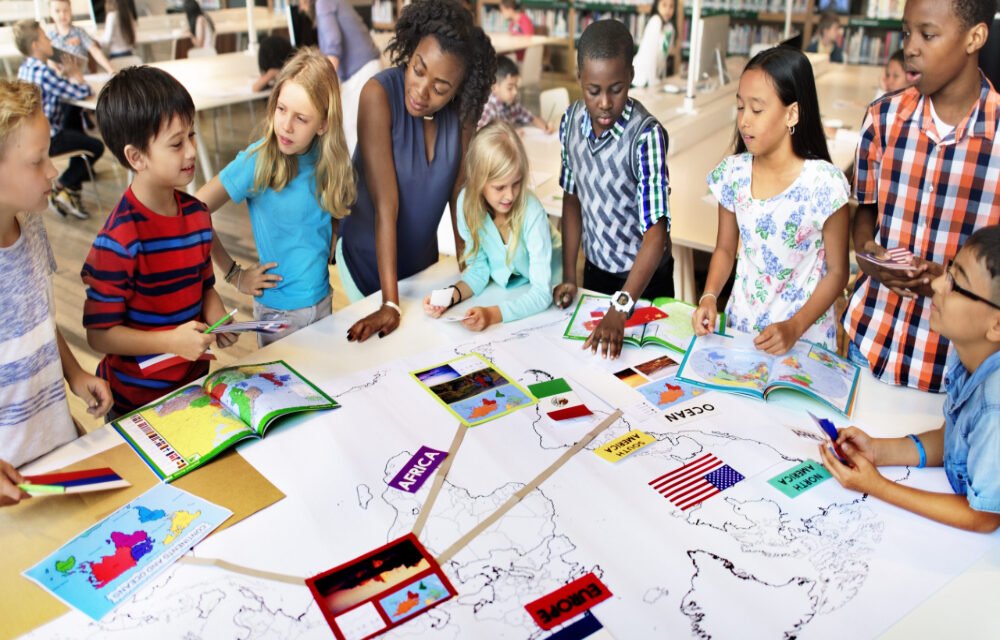
- Interaction with diverse peers improves communication, cooperation, and conflict resolution.
- Exposure to inclusivity reduces stereotypes and prejudice from an early age.
- It nurtures emotional intelligence and social awareness essential for healthy relationships.
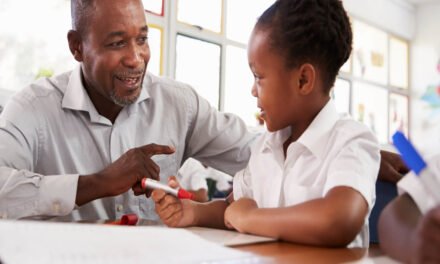
- Diverse classrooms create a sense of belonging and acceptance for all children.
Prepares for a Globalized Society
- Cultural diversity in early learning builds skills for interacting in an interconnected world.
- Children become comfortable with difference, enhancing adaptability and openness.
- It supports global citizenship values such as respect, equity, and social justice.
- Early exposure to diversity prepares children for future educational and professional environments.
- A multicultural foundation fosters lifelong appreciation for cultural pluralism.
Strengthens Family and Community Connections
- Encourages family involvement by valuing different cultural backgrounds and traditions.
- Cultural celebrations and stories shared in classrooms link home and school experiences.
- Builds stronger communities through shared understanding and mutual respect.
- Promotes collaboration among families, educators, and communities.
- Diverse learning settings enrich resources, ideas, and support networks.
Fosters Inclusivity and Equity in Education
- Integrating cultural diversity combats systemic biases and educational inequalities.
- Provides all children with curricula and environments reflecting their identities and experiences.
- Encourages culturally responsive teaching practices that meet diverse learning needs.
- Promotes fair access to quality education for children from all backgrounds.
Creates respectful environments where differences are celebrated as strengths.