

Promotes Holistic Brain Development
- Sensory play engages multiple senses simultaneously, fostering neural connections essential for cognitive, motor, and emotional growth.
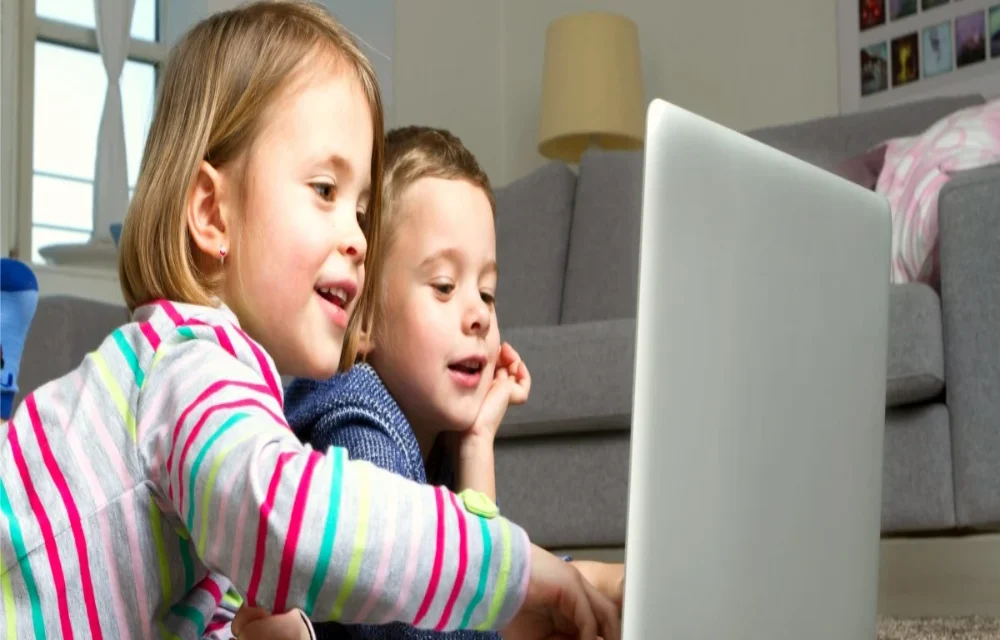
- Unlike screen time, sensory activities involve physical movement, touch, and manipulation of materials.
- This hands-on engagement strengthens spatial awareness, fine motor skills, and problem-solving abilities.
- Sensory play encourages active exploration, which is critical for brain plasticity during early years.
- It builds foundational skills that scaffold more complex learning processes beyond what screens offer.
Enhances Social and Emotional Skills
- Sensory play often involves cooperative activities, promoting communication, sharing, and empathy.
- It helps children regulate emotions through tactile experiences, reducing stress and anxiety.
- Screen time, especially passive use, lacks the real-time social interaction crucial for emotional intelligence.
- Sensory experiences support self-expression and creativity, vital for socio-emotional development.
- Play environments foster peer relationships through collaborative problem-solving.
Improves Focus and Attention
- Active sensory play develops children’s ability to concentrate and sustain attention on tasks.
- Screens can overstimulate or distract, leading to shorter attention spans and passive consumption.
- Sensory play encourages mindfulness and present-moment awareness through immersive experiences.
- Hands-on play nurtures curiosity and motivation, driving self-directed learning.
- This improved focus leads to better learning outcomes in academic and social contexts.
Reduces Sedentary Behavior and Supports Physical Health
- Sensory play promotes physical movement, enhancing gross and fine motor skills necessary for overall health.
- Screen time is largely sedentary and linked to increased risks of obesity and delayed motor development.
- Active play supports better sleep patterns and energy regulation in young children.
- Physical engagement through sensory experiences boosts cardiovascular health and coordination.
- Healthier children are more ready and able to engage in learning activities effectively.
Creates Meaningful, Real-World Learning Experiences
- Sensory play connects children to their environment, allowing exploration of textures, sounds, and natural materials.
- It fosters real-world problem-solving skills through trial, error, and discovery.
- Screen-based learning is limited in experiential variety and does not fully replicate hands-on interaction.
- Sensory experiences help children construct knowledge actively rather than passively receiving information.
These authentic interactions cultivate lifelong curiosity and a love of learning.