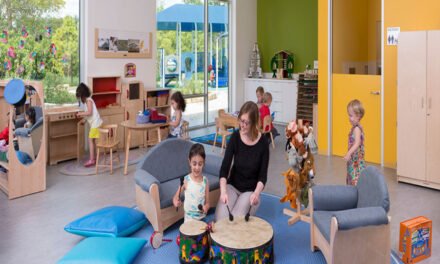


New research reveals that playtime is crucial for improving emotional regulation in young children, highlighting its significant impact on their ability to manage feelings and behavior. Play provides a safe, supportive environment where children can express a range of emotions, try out social roles, and practice coping strategies. Through unstructured and imaginative play, children learn to identify and communicate their feelings effectively, gaining self-awareness and empathy. These experiences foster resilience and help children develop the skills needed to handle frustration, disappointment, and conflict in daily life.
Physical play, often characterized by activities like chasing, tickling, and rough-and-tumble games, has been linked particularly to emotional self-control. Such play settings create natural opportunities for children to practice regulating their strength, managing impulses, and responding to social cues. Engaging in play with caregivers, especially fathers, strengthens this developmental process by offering guided situations where appropriate behavior is modeled and reinforced. When children learn to navigate the give-and-take of play, they build confidence in managing emotions and reduce tendencies toward aggressive or disruptive behaviors.
Research also emphasizes that transitions from play to other activities can challenge children’s emotional regulation, sometimes leading to tantrums or tears. This is often due to the deep engagement and enjoyment children experience during play, making it difficult for them to shift focus suddenly. Understanding these transitions and providing supportive routines help children adjust more smoothly. Strategies such as giving warnings before ending playtime or offering choices empower children and mitigate distress, fostering a sense of autonomy and emotional security.
Overall, the growing body of research supports the integration of ample, varied play opportunities in early childhood settings as a foundational element for emotional development. By prioritizing play, educators and caregivers can nurture children’s emotional intelligence, enabling them to succeed socially and academically. This focus on play-based learning equips young children with essential life skills, promoting mental well-being and fulfilling interpersonal relationships throughout their lives.