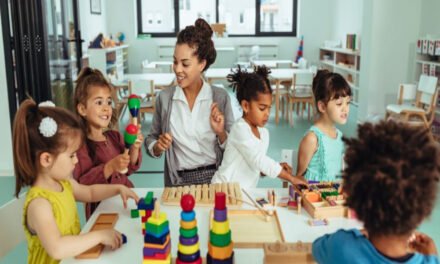


Partnerships between non-governmental organizations (NGOs) and early education centers have become instrumental in addressing gaps in early childhood education, particularly in underserved and marginalized communities. These collaborations work to improve access, quality, and inclusivity by pooling resources, expertise, and community connections. NGOs often support the establishment of preschools and learning centers in areas where government services are limited, creating safe, engaging environments that cater to children’s developmental needs and learning.
Such partnerships enable the deployment of innovative teaching methods, including play-based and community-centered approaches that resonate with local cultures and contexts. NGOs typically provide training and support to local educators and caregivers, enhancing their capacity to deliver high-quality, child-friendly education. These collaborations also often extend beyond education to address children’s holistic needs, incorporating nutrition, health care, and family engagement initiatives to foster overall well-being and school readiness.
The synergies created through NGO and early education center partnerships also help increase awareness among communities and parents about the importance of early education, thus boosting enrollment and sustained attendance. By working closely with families and community leaders, NGOs facilitate a participatory approach that strengthens the educational ecosystem and ensures programs align with local priorities. This community involvement helps create a supportive learning environment that nurtures children’s growth and development more effectively.
Despite challenges such as funding constraints, infrastructure deficits, and sociocultural barriers, these partnerships have made significant strides in transforming early childhood care and education landscapes. By collaborating with government bodies and private sector initiatives, NGOs enhance program sustainability and scale, making early education more accessible and equitable. The continued strengthening of such partnerships holds great promise for ensuring that all children, regardless of background, receive the foundational education necessary for lifelong learning and success.