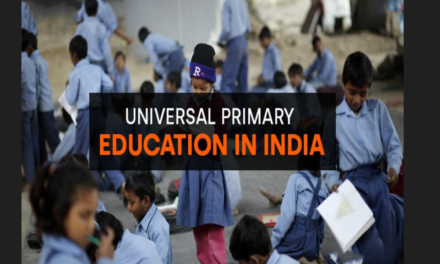

India’s primary education sector has received a significant increase in budgetary allocation for the fiscal year 2025-26, reinforcing the government’s commitment to enhancing foundational education quality and accessibility. The Ministry of Education’s overall budget rose by over 6 percent compared to the previous year, with a record ₹78,572 crore dedicated specifically to the Department of School Education and Literacy. This marks the highest allocation ever for primary and school education, reflecting policy priorities outlined in the National Education Policy 2020, which seeks universal enrollment, improved learning outcomes, and infrastructural development.
The increased funding predominantly supports flagship schemes like Samagra Shiksha, which governs comprehensive education from pre-primary through senior secondary levels. Samagra Shiksha received an 11 percent hike in funding, enabling expansion of infrastructure, teacher recruitment and training, digital learning tools, and curriculum reforms. Another focus is the Pradhan Mantri Schools for Rising India (PM SHRI) initiative, with substantial investments to upgrade schools to higher standards, provide access to innovation labs, and embed AI-driven educational technologies, supporting inclusive and equitable learning environments.
Nutritional support through the PM POSHAN mid-day meal program also saw an increase of approximately 25 percent in funding, recognizing the crucial role of nutrition in student attendance and learning capacity, especially among economically disadvantaged children. A notable portion of the budget is designated for strengthening educational infrastructure, including the establishment of Atal Tinkering Labs across thousands of government schools aimed at fostering creativity and scientific thinking from early grades. Expansion of internet connectivity under BharatNet is prioritized to reduce the digital divide, enhancing remote and hybrid learning capabilities.
This enhanced budget allocation aligns with broader governmental objectives of building a strong education ecosystem that promotes accessibility, retention, and quality learning at the primary stage, laying a robust foundation for lifelong education. By integrating infrastructural modernization, technological advancements, nutritional support, and teacher empowerment within financial planning, India is addressing critical gaps and moving closer to the goal of universal quality primary education. The increase in funding reflects both a strategic investment in human capital and a response to emerging educational demands in a rapidly evolving socio-economic landscape.