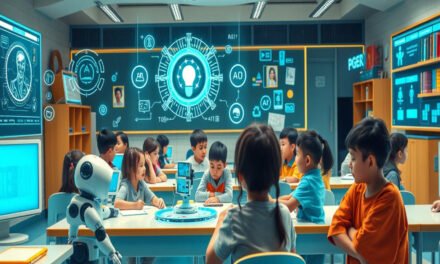

In 2025, India’s government has introduced technology grants specifically aimed at primary school teachers to enhance digital literacy and integrate technology in classrooms more effectively. These grants are part of a broader effort to modernize education by equipping teachers with the necessary tools and resources to foster interactive and innovative learning experiences. The grants enable teachers to acquire devices such as tablets, laptops, and smart projectors, along with software and educational apps tailored to the primary curriculum, making learning more engaging and accessible for young students.
The grant program supports not only the provision of hardware but also comprehensive training for teachers on how to use technology effectively in pedagogy. Recognizing that technology adoption requires confidence and skill, the initiative includes professional development workshops and online courses aligned with the National Education Policy’s call for digital fluency among educators. These training sessions focus on digital classroom management, interactive lesson planning, and the use of data analytics to track individual student progress. By empowering teachers, the program aims to improve teaching quality and student learning outcomes through technology-enabled instruction.
Moreover, these technology grants are designed with a focus on inclusivity, prioritizing teachers working in rural, remote, and economically disadvantaged regions. This helps bridge the digital divide by ensuring that technology benefits are equitably distributed, supporting children who might otherwise lack access to quality digital learning resources. Partnerships with private tech companies and NGOs also supplement government efforts by offering innovative educational content and platforms, further enriching the learning environment in grant-supported schools.
The impact of providing technology grants to primary school teachers is expected to be transformative, fostering a culture of continuous innovation and adaptability within the education system. As teachers integrate digital tools into daily instruction, students experience more personalized, interactive, and competency-based learning. This progressive step not only aligns with global educational trends but also prepares India’s young learners for future challenges, equipping them with critical 21st-century skills. The initiative marks a key milestone in India’s journey toward a digitally empowered and inclusive education system.