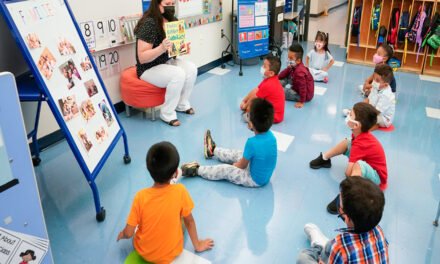


Teacher shortages pose a significant threat to the quality of preschool programs across many regions. The shortage is driven by a combination of factors including low salaries, high workloads, lack of professional support, and challenging working conditions. When preschools cannot attract and retain qualified teachers, the overall learning environment suffers, as fewer skilled educators must manage more children, often with limited resources. This situation compromises the foundational educational experiences that are critical at the preschool level, where development across multiple domains is highly dependent on quality teacher-child interactions.
The consequences of teacher shortages extend beyond just classroom management. Unfilled positions or those filled by underqualified staff often lead to larger class sizes and reduced individual attention for each child. This can negatively affect children’s social, emotional, and cognitive development, which are pivotal during early childhood. Additionally, frequent turnover among preschool teachers disrupts the continuity and stability essential for young children’s learning and security. These disruptions can increase stress for children, making it difficult to establish trusting relationships and creating gaps in early education progress.
Efforts to mitigate these shortages include increasing teacher pay, improving training and professional development opportunities, and fostering better workplace conditions. However, such measures require sustained policy commitment and increased funding. Without addressing these key issues, the supply of qualified preschool educators will fall short of demand, particularly in disadvantaged areas where resources are limited and the need for high-quality early education is greatest. The disparities caused by shortages further exacerbate educational inequities and widen the gap in school readiness.
Moreover, short-staffed preschools sometimes resort to hiring teachers without full certification or experience, which can impact the effectiveness of early childhood programs. The challenge is compounded by rising enrollment demands as governments and communities emphasize universal access to early childhood education. Addressing the teacher shortage crisis is therefore critical to ensuring that all children receive the nurturing and educational foundation they need for lifelong success. Without immediate and comprehensive actions, the quality and accessibility of preschool education will remain at risk.