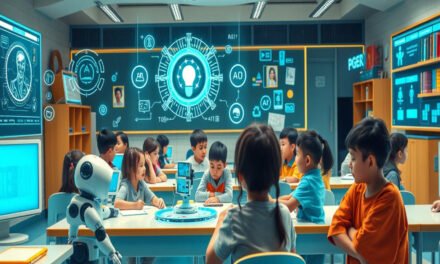


The integration of technology in early learning has sparked intense debate within educational circles, reflecting diverse opinions on its benefits and potential risks. Proponents highlight that well-designed technological tools can enhance cognitive development, support personalized learning experiences, and prepare children for a digital future. Interactive media such as tablets, apps, and educational games engage young learners by making abstract concepts concrete and stimulating curiosity. Studies reveal positive effects on learning motivation, engagement, and subject knowledge acquisition when technology is thoughtfully incorporated into early childhood education.
However, critics caution against excessive screen time and emphasize the importance of maintaining developmentally appropriate practices. Concerns center on reduced physical activity, impaired social interaction, and potential impacts on attention spans. Many stress that technology should not replace but complement traditional hands-on play and face-to-face communication, which are vital for healthy brain development and emotional growth in young children. The debate also considers children’s varying access to technology, raising equity issues where inadequate infrastructure or parental support limits participation.
Successful technology integration depends heavily on educator preparation and ongoing support. Teachers often report needing more training to effectively select and implement digital tools that align with pedagogical goals. Without adequate professional development and infrastructure, technology may be underutilized or misused, diminishing its educational potential. Therefore, recent discussions call for comprehensive, systemic approaches that address barriers such as limited resources, infrastructural challenges, and the need for culturally responsive practices.
Ultimately, the debate underscores the importance of balance and intentionality in using technology within early childhood settings. When integrated thoughtfully, technology can enrich learning environments by fostering creativity, problem-solving, and communication skills. Yet, it must be coupled with strong pedagogical frameworks that prioritize children’s holistic development. Ongoing research and collaborative dialogue among educators, families, and policymakers are vital to navigate the evolving role of technology in early learning and ensure it contributes positively to young children’s growth.