
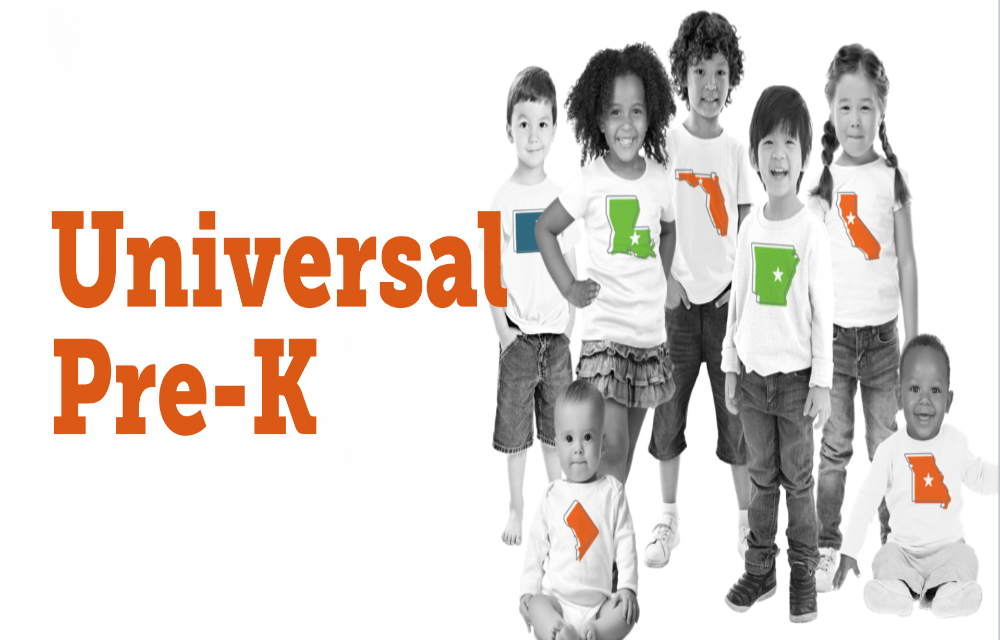
Universal preschool access has been steadily expanding across multiple states, reflecting a growing commitment to ensure that all children have the foundations for a successful educational journey. This expansion is driven by the understanding that high-quality early childhood education leads to better school readiness and long-term academic and social outcomes. States like Florida, Georgia, and Oklahoma have long-standing universal programs, and newer initiatives in California, Colorado, and Michigan are rapidly increasing access to free preschool for all four-year-olds, regardless of family income.
California’s Universal Transitional Kindergarten program is among the largest efforts underway, aiming to provide developmentally appropriate, free seats for all four-year-olds in nearly 900 school districts by the 2025–26 school year. This initiative emphasizes not only access but also quality, with a curriculum designed to prepare young learners for the social and academic demands of kindergarten. Meanwhile, Colorado guarantees 10-15 hours of free weekly preschool for four-year-olds, with some three-year-olds qualifying for additional support, marking significant progress in closing the accessibility gap for early education.
Despite these advancements, challenges remain in implementation. Staffing shortages, facility adaptations tailored to younger children, and ensuring equitable enrollment across income levels and geographic areas continue to test state efforts. Policymakers are focused on addressing these obstacles by boosting teacher recruitment, upgrading preschool infrastructure, and developing outreach strategies to ensure families are aware of and can access these programs. The ongoing expansion is seen as a crucial step toward educational equity, providing all children, especially those from underserved communities, with a fair start.
The broader impact of universal preschool programs extends beyond immediate educational gains. Research has shown that access to quality preschool reduces achievement gaps, improves high school graduation rates, and ultimately contributes to greater economic participation and social well-being. As multiple states grow their universal preschool offerings, they contribute to a national movement that sees early childhood education as essential to societal advancement, preparing future generations with the skills and confidence needed for lifelong success.