
Typical Starting Age
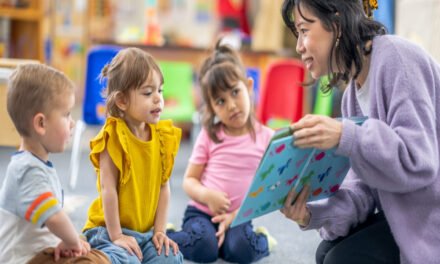
- Early childhood education typically begins as early as 15 months to 2 years old in some programs.
- Most formal preschool programs start enrolling children around ages 3 to 4.
- The foundational stage of early childhood education usually covers ages 3 to 6.
- Kindergarten, often considered the transition to formal schooling, starts around age 5 or 6.
- Some programs offer early learning opportunities even before age 3, focusing on basic developmental skills.
Developmental Readiness
- Children develop important cognitive, social, and motor skills by age 3, making this an ideal time to start structured learning.
- At this age, children can engage in basic language, communication, and social interaction activities.
- Independence skills like dressing, toileting, and decision-making begin emerging, enhancing readiness for group learning.
- Emotional regulation and social sharing become more noticeable, essential for classroom settings.
- Parents and educators assess individual readiness to ensure positive learning experiences.
Variability by Region and Program
- Different countries and educational systems define the starting age based on cultural and policy factors.
- The National Education Policy in some countries like India recommends starting preschool at age 3.
- Some early childhood programs focus on toddlers (1-3 years) for foundational developmental activities.
- Others start formal curriculums later, around preschool or pre-kindergarten age (3-5 years).
- Flexibility exists to accommodate individual child development and family circumstances.
Parental Role and Home Learning
- Formal early childhood education isn’t the only start; parents provide informal learning from birth through play and interaction.
- Early stimulation at home supports brain development and prepares children for later schooling.
- Caregiver involvement in early learning strengthens social bonds and confidence.
- Many developmental milestones occur in the early years before formal schooling starts.
- Decision to commence formal education balances child readiness with family readiness.
Benefits of Early Start
- Early enrollment maximizes the brain’s rapid learning capacity during the first few years.
- Early childhood education narrows gaps caused by socio-economic differences.
- Children gain socialization, communication, and cognitive skills that ease transition to primary school.
- Starting early reduces repetition and dropout rates and improves academic outcomes over time.
- It fosters a lifelong positive attitude toward learning and exploration.