

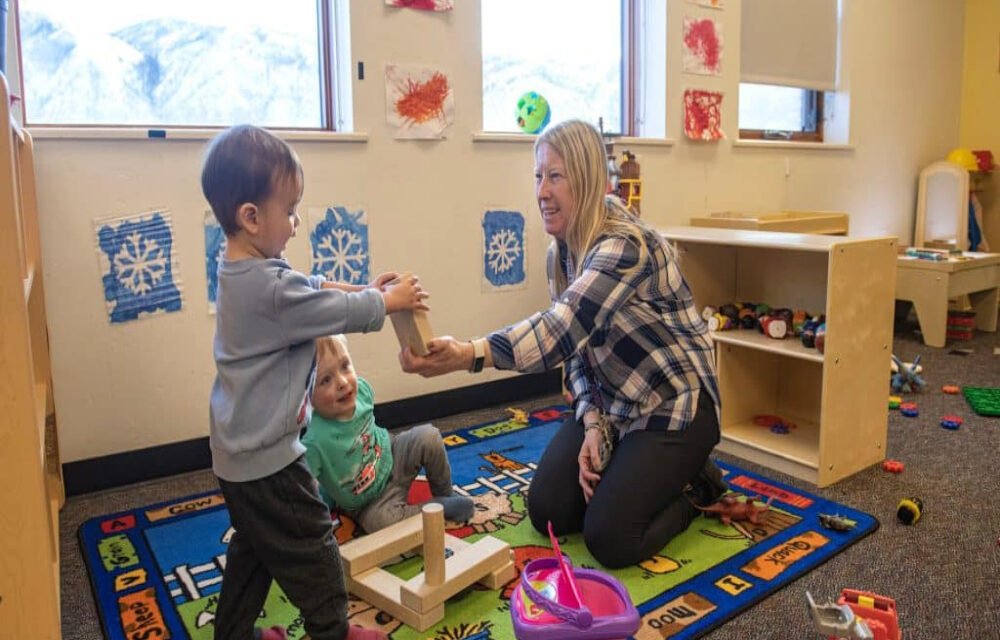
Researching Accredited Centers
- Parents should look for early childhood education centers that are accredited by recognized educational bodies or government agencies.
- Accreditation ensures centers meet certain quality standards in curriculum, staff qualifications, and safety.
- Many countries maintain directories or websites listing licensed and accredited centers.
- Accreditation bodies often conduct regular inspections and provide ratings to guide parents.
- Centers with strong reputations and positive reviews from other parents indicate reliability.
Visiting and Observing Centers
- Scheduling visits helps parents assess the physical environment, cleanliness, safety, and resources.
- Observing teacher-child interactions reveals the warmth, attentiveness, and professionalism of staff.
- Parents can evaluate if the curriculum and daily schedule match their child’s needs and values.
- Seeing how children engage and whether they appear happy and stimulated is important.
- Visits also allow parents to ask questions about policies, teacher qualifications, and emergency procedures.
Seeking Recommendations and Community Resources
- Trusted recommendations from friends, family, and other parents provide valuable insights.
- Pediatricians, childcare consultants, and local education departments often have lists of quality centers.
- Parenting groups and online forums can help identify well-regarded programs.
- Community centers and libraries sometimes host information sessions or resource lists.
- Word of mouth can help uncover centers that emphasize good communication with families.
Evaluating Curriculum and Educational Philosophy
- Parents should consider how each center approaches early learning, whether play-based, academic, Montessori, or other models.
- A well-rounded curriculum nurturing cognitive, emotional, social, and physical development is ideal.
- Centers that embrace diversity, inclusivity, and individualized learning support different family values.
- Availability of extracurricular activities like music, art, or language can enhance experiences.
- Clear communication about curriculum goals and progress tracking helps parents stay involved.
Checking Practical Requirements
- Location and convenience relative to home or work are significant for daily logistics.
- Hours of operation, flexibility for working parents, and availability of extended care matter.
- Costs and payment options including government subsidies or scholarships should be transparent.
- Centers should have clear policies on health, safety, nutrition, and staff-child ratios.
- Accessibility features and support for children with special needs are important considerations.