

Family as the Primary Social Context
- Children develop their first social relationships primarily within the family, especially with caregivers and siblings.
- Secure attachments with parents provide a foundation of trust and emotional security essential for social learning.
- Family interactions teach children communication, empathy, and social norms.
- Early experiences with caregivers shape children’s expectations and responses in relationships.
- Families model behaviors and attitudes that influence children’s social development.
Peers and Playgroups
- Toddlers and preschoolers form early friendships during play in peer groups.
- Peer interactions promote skills such as sharing, cooperation, and conflict resolution.
- Group play allows children to practice social roles and emotional regulation.
- Social referencing and imitation during peer play enhance social understanding.
- Positive peer experiences build social competence and confidence.
Childcare and Early Education Settings
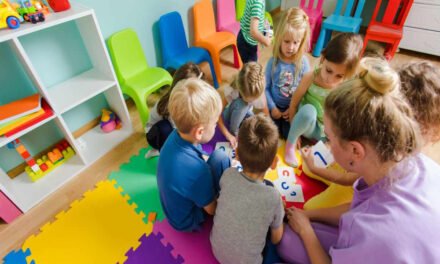
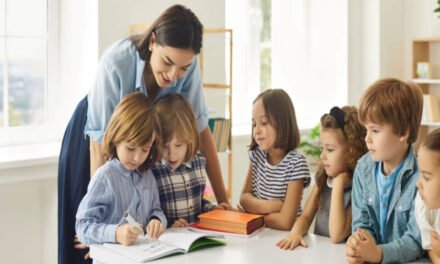
- Early childhood education centers offer structured social environments for relationship building.
- Children learn to interact with adults and other children outside the family unit.
- Educators facilitate social skills development through guided play and collaborative activities.
- Such settings expose children to diverse social norms and cultures.
- These environments support broader social networks and adaptability.
Community and Extended Family
- Extended family members, neighbors, and community members contribute to early social experiences.
- Community participation fosters social identity and belonging.
- Exposure to varied social roles expands children’s understanding of relationships.
- Cultural practices within communities influence social behaviors and expectations.
- Supportive community environments enhance social resilience and skills.
Digital and Media Influences
- Increasingly, children engage in social interactions through digital media and technology.
- Digital platforms can supplement face-to-face relationships with virtual social experiences.
- Media content may model social behaviors and emotional expression.
- Guided use of technology supports social learning when combined with adult interaction.
- Digital socialization is an evolving aspect of children’s social world.