
Emphasis on Independence
- Montessori encourages children to learn at their own pace and take ownership of their education.
- Children develop strong self-motivation and decision-making skills through self-directed activities.
- The approach builds confidence by allowing children to choose tasks that interest them.
- Developing autonomy prepares children for lifelong learning and problem-solving.
- Independence in learning often translates into practical life skills and accountability.
Individualized and Hands-on Learning
- Montessori classrooms provide materials and experiences tailored to different learning styles and stages.
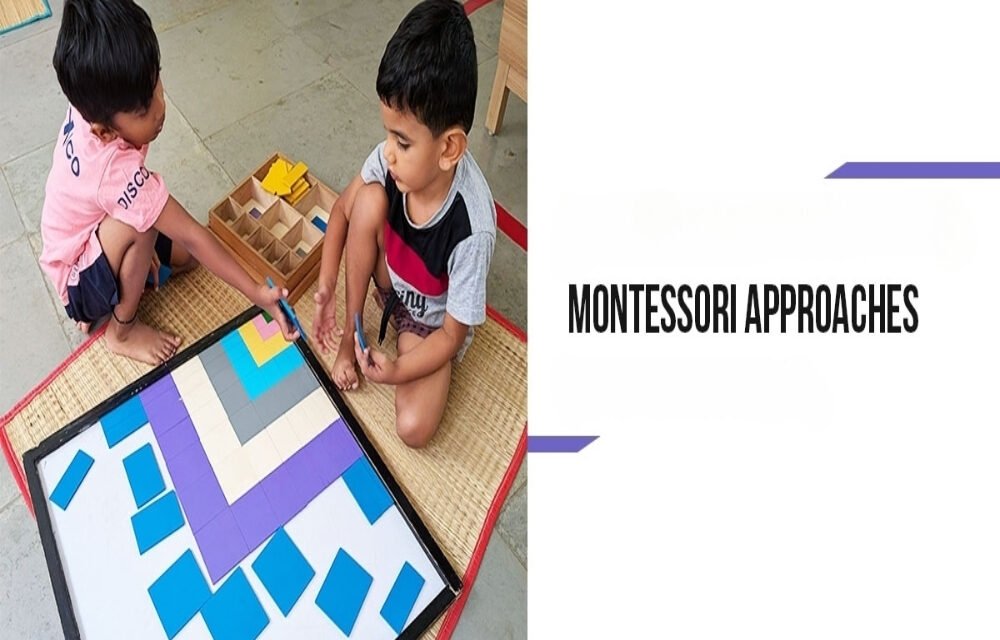
- Learning through tactile, sensory-rich materials enhances understanding and retention.
- Children engage in purposeful activities that connect abstract concepts to concrete experiences.
- The approach supports deep focus and concentration through hands-on exploration.
- Individualized progress avoids one-size-fits-all teaching, respecting each child’s development.
Social and Emotional Growth
- Mixed-age classrooms foster peer mentoring, cooperation, and social skills development.
- Children learn respect, empathy, and conflict resolution in a collaborative environment.
- The method nurtures kindness, compassion, and strong community values.
- Emotional self-regulation and discipline are cultivated in a peaceful, supportive setting.
- Positive social interactions aid overall well-being and readiness for future schooling.
Fosters Lifelong Curiosity and Love of Learning
- Montessori nurtures an intrinsic desire to explore and understand the world.
- Students develop critical thinking and creativity by following their interests.
- The educational philosophy treats learning as an enjoyable, continuous journey.
- Curiosity-driven learning leads to deeper comprehension and retention.
- Students often sustain enthusiasm for education well beyond early childhood.
Structured Freedom with Respectful Environment
- Children enjoy freedom within clear boundaries and prepared environments.
- The classroom is organized to facilitate movement, order, and purposeful activity.
- Teachers serve as guides, facilitating rather than directing learning.
- This balance promotes discipline, responsibility, and respectful behavior.
- The approach cultivates a sense of security while encouraging exploration and independence.