

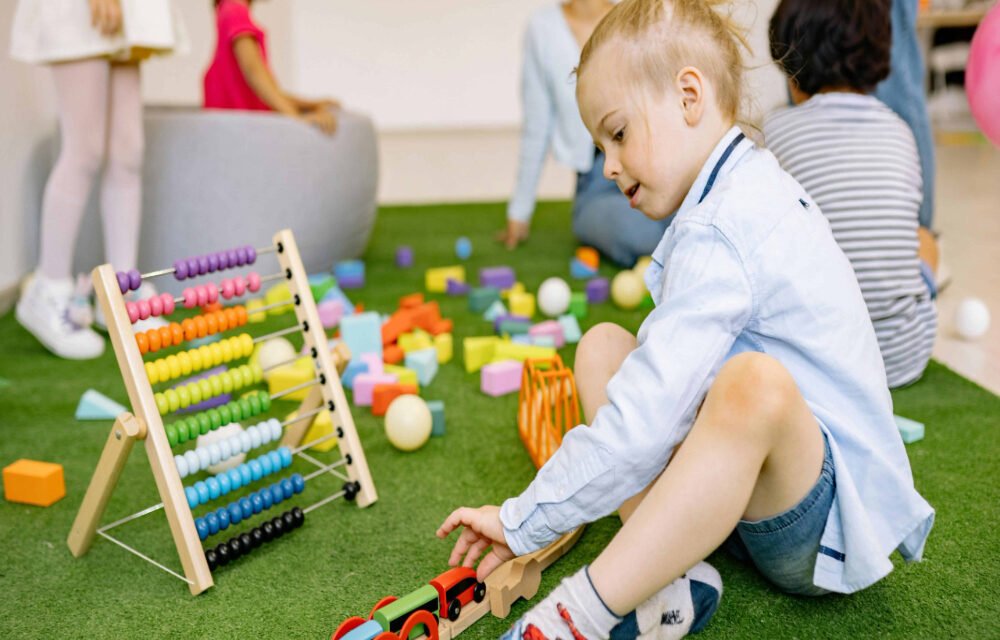
Provides Emotional Security and Stability
- Consistency in routines creates a predictable environment where children feel safe and secure.
- Understanding what to expect reduces anxiety and helps children manage transitions calmly.
- Predictable routines foster trust between children and caregivers or educators.
- Stability supports emotional regulation and self-control development.
- A secure emotional foundation maximizes learning potential.
Fosters Independence and Self-Regulation
- Regular routines give children clear expectations leading to increased autonomy.
- Children learn to anticipate activities and prepare themselves, boosting self-confidence.
- Practicing tasks consistently aids in mastering daily living skills.
- Self-regulation skills develop as children adapt to schedules and rules.
- Independence nurtured through routine strengthens overall growth and readiness for formal education.
Enhances Cognitive and Learning Skills
- Consistency helps children focus attention and engage more fully in learning activities.
- Routine repetition reinforces memory and understanding of concepts and processes.
- Structured routines provide frameworks for organizing knowledge and experiences.
- Children develop time management and sequencing skills through routine participation.
- Predictability optimizes cognitive resources for exploration and creativity.
Supports Social Development and Cooperation
- Following group routines teaches social norms like turn-taking, patience, and cooperation.
- Shared routines build community and belonging among peers.
- Children learn to respect boundaries and expectations collaboratively.
- Positive social behaviors are modeled and reinforced through consistent daily practice.
- Social harmony improves in classrooms and homes through routine predictability.
Facilitates Positive Behavior and Reduces Stress
- Consistent routines reduce behavioral problems by minimizing uncertainty and confusion.
- Children benefit from clear limits and expectations that accompany routines.
- Routines help manage challenging behaviors through structured responses.
- Regular schedules support physiological needs such as sleep, meals, and play.
Lower stress levels promote well-being and readiness to learn.