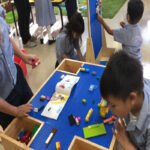


Parental engagement is increasingly recognized as a critical factor in early learning success, deeply influencing children’s developmental trajectories and academic achievements. When parents actively participate in their child’s early education, they create an environment that supports physical, cognitive, emotional, and social growth. Research consistently shows that children whose parents are involved in their learning perform better academically, demonstrate greater social competence, and develop stronger self-esteem. These positive impacts arise because engaged parents reinforce the skills and values learned in educational settings, creating continuity between home and school.
Engaged parents provide unique insights into their child’s interests, strengths, and areas needing support, allowing educators to tailor instruction more effectively. This collaborative approach helps ensure that learning experiences are meaningful and responsive, which is particularly essential during early childhood when rapid development occurs. Moreover, regular communication between parents and teachers fosters trust and shared responsibility, making it easier to address challenges promptly and support children’s evolving needs holistically.
Beyond academics, parental involvement significantly enhances children’s social and emotional development. When parents show interest and encouragement, children feel valued and secure, which bolsters emotional regulation and resilience. Positive parent-child interactions at home also promote language development and social skills, equipping children with tools to navigate social settings confidently. These foundational skills are crucial as children transition into formal schooling and face increasingly complex social and cognitive demands.
Efforts to increase parental engagement often emphasize family-friendly communication, flexible involvement opportunities, and parent education programs that build parenting skills and understanding of child development. Inclusive policies that consider diverse family structures and cultural backgrounds help ensure all parents can participate meaningfully. In summary, fostering strong parental engagement in early childhood education is a proven strategy that not only enhances immediate learning outcomes but also lays the groundwork for lifelong academic success and well-being.