
IntroductionThe relationship between health and learning in early childhood is one of the most fundamental and interconnected aspects of human development. Health serves as the basis upon which all learning and growth occur, as children’s physical, mental, and emotional well-being directly influence their ability to engage, comprehend, and achieve success in educational environments. During early childhood, the brain undergoes rapid development, building connections that form the foundation for cognitive, emotional, and social skills. For these processes to function optimally, children require proper nourishment, safety, medical care, and emotional stability. Learning flourishes when children are healthy, active, and supported in environments that promote physical and psychological wellness. Conversely, poor health can hinder attention, memory, and participation, leading to long-term educational and developmental challenges. Understanding the intrinsic connection between health and learning allows caregivers, educators, and policymakers to design early interventions and holistic programs that nurture both mind and body.
Defining the Interconnection Between Health and Learning
Health encompasses a child’s overall physical, mental, emotional, and social well-being, while learning represents the cognitive and behavioral processes through which children acquire knowledge and develop skills. These two domains are inseparable because healthy children are better prepared to explore, focus, and retain information. Positive health states promote alertness, emotional regulation, and stamina, all of which are critical for active learning. Conversely, chronic illness, poor nutrition, developmental disorders, or emotional distress can impair a child’s ability to participate and make effective progress. The relationship operates bidirectionally—good health enhances learning potential, and successful learning experiences often encourage healthy choices and behaviors. For example, children who learn about nutrition and hygiene from an early age are more likely to maintain positive health habits throughout life. Hence, early childhood education must integrate health promotion alongside academic learning to ensure holistic development.
Physical Health as the Foundation for Learning
Physical health forms the structural base for cognitive, social, and emotional learning. Adequate nutrition, regular physical activity, sleep, and medical care are crucial for supporting brain development and concentration. Malnutrition, particularly during the first five years, can have lasting effects on memory, attention, and language acquisition. Balanced diets rich in vitamins, minerals, and proteins supply the brain with essential nutrients that fuel thinking and problem-solving. Physical activity enhances motor coordination, strengthens bones and muscles, and encourages neural connectivity, improving both physical fitness and cognitive function. Sleep plays an equally vital role, as inadequate rest affects mood regulation, behavior, and memory consolidation. Preventive healthcare measures, such as immunizations and vision or hearing screenings, ensure that health problems do not interfere with learning participation. A physically healthy child approaches educational tasks with greater curiosity, focus, and endurance, highlighting the inseparable bond between bodily well-being and intellectual performance.
Mental and Emotional Health in Early Learning
Emotional stability and mental health are equally important in determining how effectively young children learn. In early childhood, the brain’s emotional centers develop in response to nurturing, consistent relationships and supportive environments. When children feel safe, valued, and loved, they are more likely to express curiosity and confidence, essential conditions for learning. Conversely, chronic stress, anxiety, or trauma disrupt the brain’s ability to process and retain information. Prolonged exposure to stress hormones such as cortisol can hinder concentration and memory, affecting language and reasoning skills. Emotional health also influences motivation and perseverance, determining how children approach challenges and setbacks. A strong sense of belonging, positive peer interactions, and emotional recognition foster a readiness to learn and engage. Teachers and caregivers play a pivotal role in promoting emotional health by creating supportive classrooms where feelings are acknowledged, routines are predictable, and empathy is modeled.
Nutrition and Cognitive Performance
Nutrition directly impacts brain growth and functioning during early development. The early years are a critical window when the brain requires steady energy and nutrients to support the rapid formation of neural connections. Essential nutrients such as iron, iodine, zinc, and omega-3 fatty acids play vital roles in memory, attention, and sensory integration. Poor nutrition, whether through deficiency or imbalance, results in fatigue, reduced energy, and impaired cognitive performance. For instance, anemia can cause irritability and delayed cognitive responses, while excess sugar intake can contribute to hyperactivity and short attention spans. Encouraging nutritious eating habits within homes and schools nurtures both physical and mental development. Early education programs that include healthy meals and nutrition education help instill lifelong habits. When children learn the importance of balanced diets, they not only improve their immediate learning outcomes but also develop values essential for sustained health and future achievement.
The Impact of Illness and Healthcare Access
Consistent access to quality healthcare profoundly influences both health and learning outcomes. Chronic illness, untreated infections, or sensory impairments significantly disrupt attendance and concentration in early learning environments. Conditions such as asthma, ear infections, or uncorrected vision problems can lower participation and performance if not properly managed. Preventive healthcare—including vaccinations, regular medical checkups, and early screening for developmental or sensory delays—enables early detection and treatment of potential barriers to learning. Children who receive preventive care and proper medical attention are more likely to maintain consistent participation and show higher overall readiness for school. Unfortunately, disparities in healthcare access based on income, geography, or educational background often lead to achievement gaps. Addressing these inequalities requires coordinated efforts between healthcare providers, educators, and policymakers to ensure every child enters the learning environment healthy and capable of reaching their full potential.
Hygiene, Safety, and Environmental Factors
Health and learning are also influenced by environmental and hygiene conditions in a child’s home and school. Clean, safe, and stimulating settings promote active exploration, reduce disease exposure, and support concentration. Poor sanitation or unsafe surroundings can result in frequent illnesses and accidents, causing absenteeism and hindering academic consistency. Establishing hygiene routines—such as handwashing, proper waste disposal, and personal cleanliness—prevents infections and cultivates responsibility. Additionally, exposure to pollution, harsh noise, or unsafe air quality can strain cognitive and physical development, particularly in young children whose systems are still growing. Well-maintained classrooms with adequate lighting, ventilation, and accessible play areas create positive spaces for learning. Safety education also plays a role, teaching children how to protect themselves in different situations. An environment that protects both physical health and emotional security ensures that children’s attention remains devoted to learning rather than coping with discomfort or fear.
Sleep, Rest, and Cognitive Readiness
Sleep is often overlooked but remains a critical determinant of learning capacity. Adequate and quality sleep is essential for brain function, memory retention, decision-making, emotional control, and growth. During deep sleep, the brain consolidates information acquired throughout the day, transforming experiences into lasting memories. Chronic sleep deprivation impairs attention span, irritability control, and problem-solving abilities. Younger children require consistent sleep patterns suited to their developmental stage to maintain alertness and emotional balance. Inadequate rest contributes to behavioral issues, disrupts classroom participation, and may lead to delayed language and literacy development. Establishing healthy sleep routines and teaching families about the importance of rest improves children’s mood and readiness for daily challenges. Schools can also support this by designing schedules that balance active play, rest, and learning sessions, ensuring cognitive performance aligns with children’s energy cycles. Proper rest strengthens focus, creativity, and resilience—key elements of effective early learning.
Social and Community Health Influences
Children’s health and learning outcomes are also determined by the social and community environments in which they live. Socioeconomic status, parental education, neighborhood safety, and access to community resources all contribute to variations in health and educational attainment. Communities that invest in healthcare, nutrition programs, and early childhood education tend to produce children with higher cognitive and emotional outcomes. Public health initiatives such as vaccination drives, clean water access, and parental awareness campaigns reinforce the interconnected relationship between health and education. Social support systems, such as family involvement and early intervention services, also strengthen children’s capacity to learn by ensuring safety and nurturing connections. When families experience stability, children exhibit fewer behavioral challenges and demonstrate stronger motivation for learning. Thus, promoting child health at the community level enhances not only individual development but also the collective progress of society.
Teacher and Caregiver Roles in Promoting Health and Learning
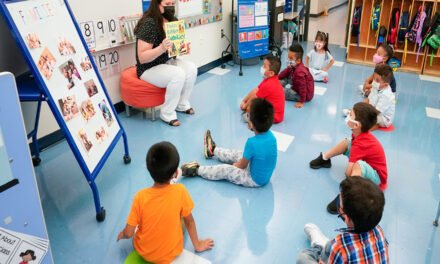
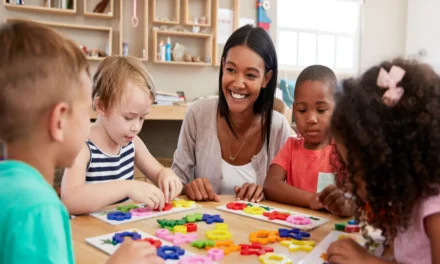
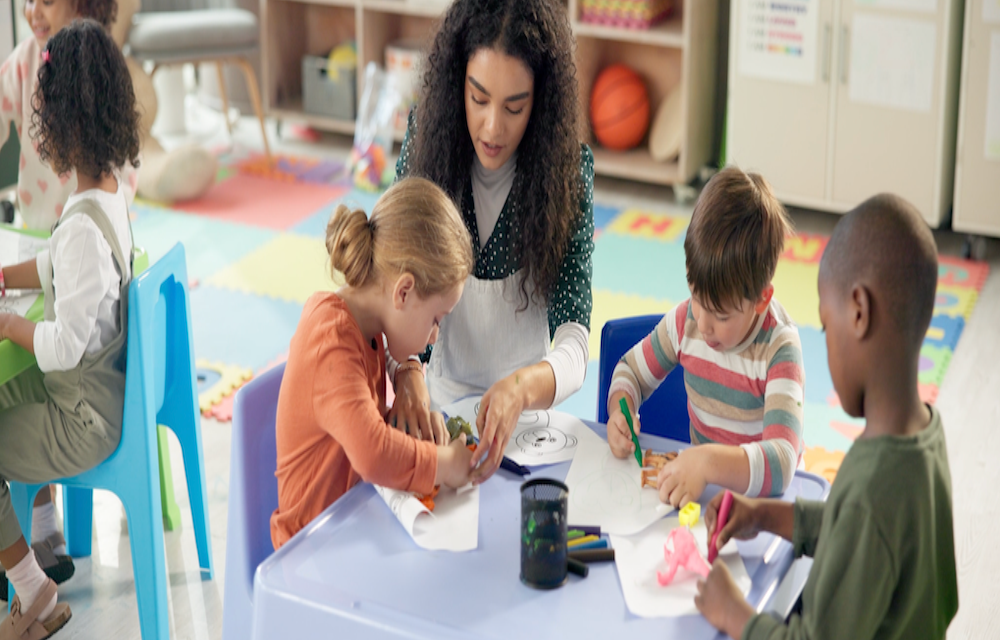
Teachers and caregivers serve as key figures linking health and learning within early education. They monitor developmental progress, identify potential health or behavioral concerns, and adapt learning environments to meet children’s diverse needs. Educators who understand the importance of health can integrate wellness activities—such as exercise routines, nutrition education, and relaxation techniques—into their daily programs. Emotional support from teachers creates trust and motivation, improving both mental health and academic engagement. Collaboration between parents, healthcare providers, and education professionals ensures continuity between home and school care. When teachers model healthy habits, such as balanced eating and stress management, children are more likely to adopt similar behaviors. Professional training in child health, safety, and first aid further empowers educators to respond effectively when challenges arise. By focusing equally on well-being and learning, teachers lay the groundwork for whole-child education that prepares children for lifelong success.
Long-Term Effects of Health on Educational Success
The influence of early health extends far beyond childhood, affecting academic achievement, employment prospects, and overall quality of life. Healthy children are more likely to attend school consistently, achieve higher literacy and numeracy scores, and pursue advanced education. Early physical and mental wellness reduces the risk of future health complications, absenteeism, and social exclusion. In contrast, children who grow up in poor health conditions face greater challenges in concentration, memory, and motivation, often leading to lower academic and social outcomes. Investing in health early ensures a cycle of positive reinforcement—good health fosters learning, which in turn leads to informed lifestyle choices that sustain health throughout adulthood. Communities and societies that prioritize child health witness long-term social and economic benefits, as healthier and better-educated citizens contribute positively to their nations’ progress.
Conclusion
The relationship between health and learning in early childhood is deeply intertwined and mutually reinforcing. Physical well-being, mental stability, nutrition, environment, and community health collectively determine how children think, feel, and perform in educational settings. When children enjoy good health, their minds remain alert, emotions regulated, and energy focused on exploration and discovery. Conversely, poor health, malnutrition, or stress can impede learning potential and hinder developmental progress. Early recognition of this link empowers educators, families, and policymakers to prioritize comprehensive programs promoting both healthy bodies and active minds. Nurturing health is not separate from learning—it is the very foundation upon which cognitive growth, emotional balance, and lifelong achievement rest. Holistic education that integrates health awareness ensures that every child’s potential is realized, paving the way for a generation that is both intellectually capable and physically resilient.
Hashtags
#HealthAndLearning #EarlyChildhood #ChildDevelopment #CognitiveGrowth #PhysicalHealth #EmotionalWellBeing #EarlyEducation #Nutrition #ChildWellbeing #HolisticDevelopment #ChildhoodCare #MentalHealth #HealthyHabits #LearningReadiness #WholeChildApproach #TeacherRole #ParentalSupport #CommunityHealth #ChildSafety #EducationalSuccess #HealthyEnvironment #EarlyIntervention #ChildNutrition #EducationalDevelopment #WellnessEducation