
Introduction
Inclusive education in early learning represents a transformative approach that ensures all children, regardless of ability, background, or identity, have equal access to meaningful learning opportunities. It goes beyond accommodating differences—it celebrates diversity as a core strength of the learning environment. In the early years, inclusive practices help build foundational attitudes of empathy, cooperation, and respect. When children with various abilities and experiences learn together, they develop a deeper understanding of fairness, compassion, and mutual support. Inclusive education is not merely a policy requirement; it is a moral, educational, and social imperative. It ensures that every child—irrespective of physical, cognitive, emotional, linguistic, or social differences—receives the support necessary to thrive academically and emotionally. Early educators play a central role in this inclusive framework, guiding children to learn together while respecting individual needs and uniqueness.
Understanding Inclusive Education in Early Learning
Inclusive education in early childhood refers to the practice of delivering quality education to all children within the same environment, embracing diversity rather than excluding or segregating learners based on differences. It means designing learning spaces, curricula, and teaching strategies that cater to a broad spectrum of needs and learning styles. Inclusion, in this context, does not imply uniformity but equitable access to opportunity. It acknowledges that every child brings unique experiences, skills, and perspectives to the classroom. The goal of inclusivity is not to make all children learn in the same way, but to ensure that every child can participate actively, achieve personal growth, and feel a genuine sense of belonging. True inclusion values every learner equally and removes barriers that hinder participation and development.
Creating a Sense of Belonging and Acceptance
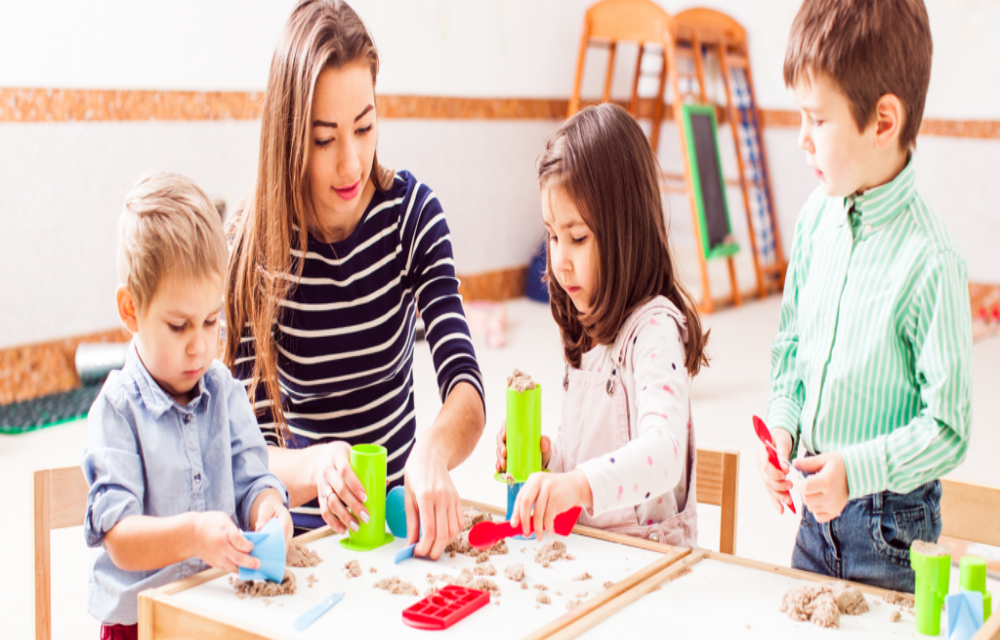
One of the most significant benefits of inclusive education is that it fosters a strong sense of belonging among children. Belonging serves as a psychological cornerstone of learning, engagement, and emotional well-being. When children feel accepted for who they are, they learn to accept others with similar compassion. Early educators who adopt inclusive strategies model acceptance through attitudes, words, and actions. They establish a classroom culture where differences in ability, language, or behavior are perceived as natural human variety rather than deficits. Group activities, peer collaborations, and recognition of individual achievements cultivate community spirit. This inclusiveness extends far beyond academics—it lays the foundation for empathy, tolerance, and cooperation that last into adulthood. By making every child visible and valued, inclusive education becomes a celebration of diversity that strengthens social and emotional intelligence.
Supporting Diverse Learning Needs
Children in early learning environments exhibit wide-ranging abilities, learning speeds, and communication styles. Inclusive education ensures that each child’s needs are met through flexible and differentiated teaching methods. Educators who embrace inclusive pedagogy design multiple learning pathways to accommodate variation. For example, while one child might express understanding through visual art, another might benefit from tactile play or verbal explanation. Teachers use tools like individualized education plans (IEPs), sensory materials, and adaptive technologies to ensure equitable learning access. This approach encourages active participation rather than passive observation. Inclusive education also acknowledges that development occurs at different paces, and progress should be measured in personal growth, not comparison. By tailoring their approaches to individual strengths, educators empower all children to achieve success and self-confidence within a shared learning context.
Early Intervention and Holistic Development
Early childhood presents the ideal period for addressing developmental challenges, as this stage shapes cognitive, social, and emotional growth. Inclusive education provides a platform for early intervention, ensuring that children with developmental delays, learning challenges, or disabilities receive support from the outset. Through collaboration with specialists, therapists, and families, early educators can implement targeted strategies to promote inclusion. Early intervention integrated within inclusive settings helps normalize support rather than isolating children in separate programs. This holistic approach benefits not only children experiencing challenges but also their peers, who learn about diversity, empathy, and cooperation. When learners grow together in a support-based environment, everyone benefits—educationally, socially, and emotionally. Inclusion, therefore, promotes a shared sense of humanity and nurtures the holistic development of all learners.
Promoting Social and Emotional Growth
Inclusive classrooms naturally promote rich social interactions. They become microcosms of society where children learn communication, patience, and understanding through daily interactions. Exposure to diverse peers encourages children to see beyond surface differences and recognize shared emotions, dreams, and concerns. Collaborative play, group learning, and peer mentoring foster mutual respect and friendship. Teachers who support inclusion guide children in navigating conflicts constructively and articulating feelings appropriately. This process strengthens emotional regulation and empathy. As children experience diversity firsthand, they internalize acceptance and fairness. These social-emotional skills formed in inclusive settings contribute deeply to their future citizenship and interpersonal success. In essence, inclusion not only supports learning but actively molds compassionate individuals ready to engage with the world sensitively and responsibly.
Role of Early Educators in Inclusive Education
Early educators serve as the foundation of inclusive learning. Their beliefs, attitudes, and teaching methods determine the success of inclusion policies in practice. Teachers must recognize diversity as a strength and approach each child with respect and patience. They adapt curricula, design inclusive play experiences, and employ a variety of teaching strategies to meet individual learning styles. Educators also foster open communication and collaboration among children, encouraging cooperative learning and peer support. Continuous professional development plays a significant role in equipping teachers with inclusive education strategies, including understanding developmental differences, employing assistive technologies, and managing classroom diversity. Moreover, teachers must work in close partnership with families to align support systems. By doing so, they create a unified support network for children, ensuring that inclusion remains both consistent and effective.
Family and Community Involvement in Inclusion
Family and community engagement strengthen the foundation of inclusive education. Inclusion extends beyond the school walls into families’ homes and local communities. Educators must establish meaningful connections with families to share progress, challenges, and strategies that support each child’s growth. Parents become active collaborators rather than passive observers, contributing insights and participating in their child’s developmental journey. Communities, too, play a vital role through awareness and resource provision. Advocacy networks, inclusive public spaces, and awareness campaigns promote acceptance beyond classrooms. When educators, families, and communities work together, inclusion transforms into a shared social value. Children who grow in such environments are more likely to exhibit empathy, fairness, and civic responsibility, helping sustain inclusivity across future generations.
Curriculum Design and Pedagogical Strategies
For inclusion to succeed, the curriculum must embrace flexibility and diversity in content, delivery, and assessment. Inclusive curriculum design incorporates varied learning experiences that reflect diverse cultures, languages, and abilities. Learning materials should represent all children, allowing them to see themselves within educational narratives. Pedagogical strategies like cooperative learning, play-based instruction, and differentiated evaluation ensure inclusivity. Teachers incorporate visual, auditory, and kinesthetic learning methods to engage diverse learners. Using storytelling, sensory exploration, and art integration helps bridge gaps in comprehension. Assessment in inclusive education should focus not only on academic outcomes but also on progress in social interaction, emotional growth, and problem-solving. An inclusive curriculum ensures that learning remains accessible, respectful, and motivating for every child, reinforcing the message that all learners belong.
Long-Term Impact of Inclusive Early Education
The impact of inclusive education in early childhood extends into lifelong social and professional capacities. Children exposed to inclusive learning early on develop empathy, tolerance, and strong interpersonal skills that influence their future relationships and decision-making. For children with disabilities, inclusive environments break barriers and open opportunities for continuous education and independence. For typically developing peers, inclusion fosters awareness that diversity is normal and enriching. Societies benefit in the long term from citizens raised in inclusive educational frameworks—individuals who value diversity and advocate for equality. Inclusion thereby contributes to the creation of more cohesive, humane, and understanding communities. Investing in inclusive early learning ensures that future generations will uphold equality and social justice as natural values ingrained from their earliest experiences.
Conclusion
Inclusive education in early learning lays the foundation for a just, empathetic, and equitable society. It encourages all children—regardless of differences—to grow, learn, and thrive together. By embracing diversity, early educators create environments that nurture emotional intelligence, social cohesion, and mutual respect. Inclusion transforms classrooms into communities where every child feels valued and supported. It ensures early detection of developmental needs, promotes family collaboration, and builds a culture of empathy that transcends the classroom. The principles of inclusion, when instilled at a young age, shape a generation of learners who celebrate diversity rather than fear it. Inclusive education is not simply a goal; it is an ongoing responsibility that shapes humanity’s collective future by ensuring every child has a place, a voice, and an opportunity to succeed.
Hashtags
#InclusiveEducation #EarlyChildhoodLearning #EquitableEducation #ChildDevelopment #DiversityInClassrooms #EducationalInclusion #EarlyLearning #TeacherRole #HolisticDevelopment #SpecialNeedsEducation #LearningTogether #EmpathyBuilding #SocialInclusion #EarlyIntervention #InclusiveCurriculum #ChildEmpowerment #AdaptiveLearning #EducationForAll #FamilyEngagement #CommunitySupport #EarlyYearsTeaching #SocialEmotionalLearning #ClassroomDiversity #EducationEquality #InclusivePedagogy