

Introduction
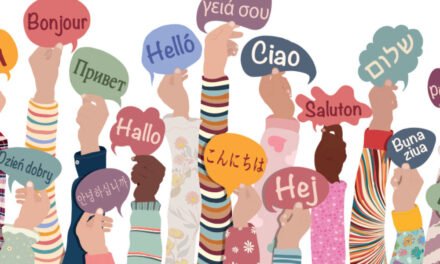
Social interaction plays a fundamental role in child development, influencing multiple domains such as cognitive growth, emotional regulation, social skills, and language acquisition. From infancy through childhood, engaging with peers, adults, and within the community provides children with opportunities to explore their environment, express themselves, and build relationships. These interactions form the basis for learning how to communicate, cooperate, solve problems, and understand others’ perspectives. Social engagement not only supports immediate developmental milestones but also lays the groundwork for long-term well-being, resilience, and success in life. Understanding how social interaction aids child development reveals the importance of fostering rich, positive social experiences from an early age.
The Foundation of Emotional Development
Social interaction is central to the emotional development of children. Early experiences with caregivers create secure attachments, instilling feelings of safety and trust that are essential for healthy emotional growth. Babies learn to recognize emotions, regulate distress, and develop empathy through responsive social exchanges such as eye contact, soothing, and play. As children grow, social interactions with peers and adults allow them to practice managing emotions like frustration, excitement, and disappointment in socially acceptable ways. These emotional skills are crucial in building self-esteem and resilience. Without adequate social interaction, children may struggle with emotional regulation, leading to anxiety or withdrawal. Early positive social connections thus form the emotional scaffolding for lifelong mental health.
Language and Communication Development
One of the most evident ways social interaction aids child development is through language acquisition and communication skills. Children learn language primarily through listening, imitating, and engaging with others in meaningful conversations. Social contexts provide children with exposure to vocabulary, syntax, tone, and non-verbal cues that are fundamental to effective communication. Peer interactions encourage turn-taking, active listening, and negotiation skills, further enriching language use. Social play often stimulates imaginative language, storytelling, and expression of feelings, reinforcing linguistic competence. Children who have limited social opportunities may face delays in speech and communication, impacting their ability to connect and learn. Thus, rich social environments are vital for developing strong language and literacy foundations.
Cognitive and Problem-Solving Growth
Through social interaction, children experience cognitive development by observing and engaging with others in activities that challenge their thinking. Collaborative problem-solving with peers introduces different perspectives and strategies, enhancing flexible thinking and creativity. Social play often involves rules, roles, and planning that stimulate memory, attention, and executive functioning skills. When children negotiate conflicts or work together on tasks, they develop reasoning and decision-making abilities. Interaction with attentive adults who scaffold learning supports the development of higher-order cognitive skills. These social-cognitive experiences foster the child’s capacity to make sense of the world, understand cause-and-effect relationships, and apply knowledge in new situations.
Developing Social Skills and Cooperation
Social interaction directly cultivates critical social skills necessary for successful relationships. Children learn to share, take turns, collaborate, and resolve conflicts through daily engagements with others. Positive social experiences help children navigate group dynamics, develop empathy by understanding others’ feelings, and appreciate diverse viewpoints. These interactions teach respect, fairness, and kindness—values foundational to harmonious social living. Children who frequently play and communicate with peers tend to exhibit better cooperation and reduced aggression. Social skills developed early contribute to academic engagement and lifelong interpersonal success. Encouraging constructive social interaction allows children to practice these essential competencies regularly and comfortably.
Building Confidence and Self-Identity
Engaging in social interactions fosters children’s self-confidence and self-awareness. Positive feedback from peers and adults boosts self-esteem, reinforcing a child’s belief in their abilities to communicate, play, and learn. Social experiences provide safe contexts for children to express their thoughts, emotions, and creativity, contributing to a strong sense of identity. Through comparisons and contrasts with peers, children develop an understanding of their uniqueness and social roles. Social settings also offer opportunities to face challenges, take risks, and recover from setbacks, which build resilience and perseverance. The confidence nurtured by social interaction supports motivation and curiosity, which in turn drive ongoing developmental progress.
Importance of Peer Relationships
Peers play a unique and influential role in a child’s social development. Interactions with children of similar age provide opportunities for reciprocal learning and companionship that differ from adult-child relationships. Peer relationships encourage mutual influence, assistance, and negotiation that foster independence and social understanding. Through play and communication, peers model social norms, language usage, and emotional expression, enriching developmental experiences. Friendships introduce children to loyalty, trust, and social support, vital for emotional health. Moreover, positive peer interactions have been linked to lower levels of stress and anxiety. Recognizing the essential contribution of peers highlights the importance of providing children with ample opportunities for social play and engagement.
Social Interaction and Brain Development
Neuroscientific research shows that social interaction profoundly impacts brain development, particularly in early childhood when neural pathways related to language, emotional regulation, and executive function are forming. Experiences of positive social engagement enhance neural connectivity, supporting cognitive and emotional growth. Conversely, social deprivation or neglect can alter brain development, leading to difficulties in socialization, learning, and mental health. Interaction with responsive caregivers and peers activates neural circuits involved in empathy, communication, and self-regulation. This biological perspective underlines social interaction as not just a psychological or social necessity but as a critical factor shaping the architecture of the developing brain.
Long-Term Impact on Mental Health and Wellbeing
Social interaction in early childhood has long-lasting effects on mental health and wellbeing. Children who experience nurturing social relationships tend to develop better coping mechanisms and lower risk of behavioral problems later in life. The ability to form secure attachments and positive peer connections fosters emotional stability and reducing vulnerability to anxiety and depression. Furthermore, early social competence sets the stage for successful academic and professional relationships. Social isolation during critical developmental periods can increase the likelihood of social withdrawal and difficulty establishing supportive networks in adulthood. Promoting rich social interactions from an early age ensures a strong foundation for lifelong resilience, emotional intelligence, and well-being.
Conclusion
Social interaction is a cornerstone of child development, profoundly influencing emotional growth, language skills, cognitive abilities, social competence, and self-confidence. Through interactions with caregivers, peers, and the wider community, children acquire the skills needed to navigate relationships, express themselves, and understand others. These experiences promote brain development and serve as protective factors for mental health across the lifespan. Early, consistent opportunities for positive social engagement foster resilience, empathy, and lifelong learning. Recognizing the essential role social interaction plays underscores the responsibility of families, educators, and communities in creating supportive and enriching environments where children can thrive socially and developmentally.
Hashtags
#ChildDevelopment #SocialInteraction #EarlyChildhood #EmotionalGrowth #LanguageDevelopment #CognitiveSkills #SocialSkills #PeerRelationships #ChildConfidence #BrainDevelopment #MentalHealth #EmotionalIntelligence #SelfRegulation #EarlyLearning #PlayBasedLearning #ChildWellBeing #SocialCompetence #EmpathyBuilding #Resilience #CommunicationSkills #Friendship #PositiveParenting #EarlyEducation #SocialPlay #LifelongLearning