
Introduction
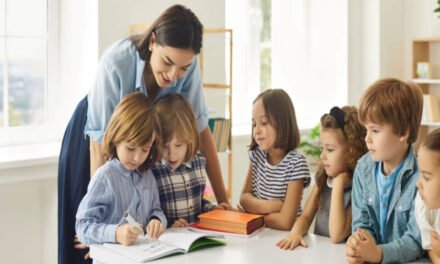
Early learning is the cornerstone of a child’s overall development, shaping the foundation upon which later physical, emotional, cognitive, and social growth is built. The early years—from birth to around eight years of age—represent a period of rapid development when the brain is most receptive to learning from the environment. During this formative stage, early experiences influence neural growth, learning patterns, and behavioral responses that endure throughout life. The relevance of early learning lies in its ability to nurture curiosity, creativity, resilience, and emotional intelligence, forming the basis for holistic development. The modern educational paradigm views early learning as more than a preparatory phase for school; it is a comprehensive process that influences lifelong success, social adaptability, and psychological well-being.
Laying the Foundation for Cognitive Development
Cognitive development during early childhood forms the intellectual framework upon which all future learning depends. The first few years of life are characterized by unprecedented brain growth, where billions of neural connections are established in response to stimuli and experiences. Early learning environments filled with sensory experiences, problem-solving activities, and exploration opportunities stimulate these neural networks, enhancing reasoning, memory, and comprehension. When young children are encouraged to experiment, question, and express ideas, they develop cognitive flexibility and critical thinking skills that extend into adulthood. The relevance of early learning in this area lies in its capacity to cultivate intellectual curiosity and independent thought. Without this foundation, children often struggle to engage meaningfully with more complex academic and life challenges later on.
Enhancing Emotional and Social Competence
Early learning plays a pivotal role in shaping emotional awareness and social skills. Children learn to recognize their feelings, manage emotions, and develop empathy through interactions with teachers, parents, and peers. Structured early learning programs emphasize cooperation, sharing, and communication, preparing children to build healthy relationships. Emotional regulation is one of the most important outcomes of quality early learning, as it fosters resilience and adaptability to life’s challenges. Lessons embedded in play and social interaction teach patience, self-control, and listening skills. Social competence acquired during early childhood determines how well children navigate group settings and interpersonal situations in later life. In essence, the social and emotional relevance of early learning extends beyond school readiness, influencing overall mental health, sense of belonging, and community participation.
Building Language and Communication Skills
Language development is one of the most visible and vital aspects of early learning. The ability to understand and express thoughts through language directly impacts every area of learning and social engagement. Through storytelling, songs, conversations, and play, children absorb vocabulary, grammar, and linguistic patterns. Early exposure to rich and varied language experiences enables them to communicate effectively, building both confidence and comprehension. This foundation becomes especially critical as communication skills are central to literacy development and academic performance. Early learning environments that integrate language-rich activities provide children with the tools to express ideas clearly, engage in collaborative problem-solving, and develop empathy. Furthermore, in multilingual settings, early exposure enhances cognitive flexibility and cultural awareness. The relevance of early learning in communication development therefore lies in fostering self-expression and social integration.
Stimulating Physical and Motor Development
Physical growth and coordination are equally important dimensions of child development influenced by early learning experiences. From sensory exploration to structured movement, physical activity at a young age develops fine and gross motor skills essential for everyday tasks. Activities like drawing, climbing, balancing, and building enhance coordination, muscle strength, and spatial awareness. Physical activity also supports cognitive processes, as movement increases oxygen flow to the brain, improving concentration and learning capacity. Moreover, early learning teaches children about body awareness, healthy lifestyles, and self-care routines such as hygiene and nutrition. Programs that encourage outdoor play and tactile exploration foster physical vitality alongside creativity and curiosity. The relevance of early learning thus extends to health and well-being, establishing habits that contribute to lifelong fitness and self-sufficiency.
Encouraging Creativity and Problem-Solving
Creativity is a defining characteristic of human development, and it begins to flourish in the early years. Early learning provides an environment where imagination, experimentation, and innovation are encouraged through art, play, and storytelling. These activities allow children to explore multiple ways of understanding and interacting with their surroundings. By promoting open-ended tasks and questioning, early learning nurtures creativity as a cognitive and emotional process. Creative expression not only fuels artistic ability but also enhances critical thinking, adaptability, and innovation—skills vital in a rapidly changing world. When children engage in imagination-driven play, they learn to negotiate roles, invent solutions, and adapt to different perspectives. The relevance of early learning in this regard lies in cultivating a mindset that values exploration and innovation rather than rote memorization.
Establishing Moral and Ethical Awareness
Early learning is also a crucial period for moral and ethical development. During early childhood, children begin to differentiate right from wrong and develop a sense of fairness, honesty, and empathy. Teachers and parents play a central role by modeling positive behavior and integrating moral lessons into daily routines. Through collaborative play, storytelling, and classroom rules, children learn the consequences of actions, responsibility, and respect for others. These values form the moral compass that guides behavior and decision-making later in life. Early exposure to ethical thinking helps children develop compassion and social responsibility. The relevance of early learning in moral development extends to building conscientious individuals capable of contributing to just and inclusive societies.
Fostering Independence and Self-Confidence
Independence and confidence are essential outcomes of effective early learning programs. Children who are encouraged to make decisions, take initiative, and participate in planning their activities develop self-reliance and motivation. Early learning environments structured around autonomy support emotional maturity by allowing children to explore within safe boundaries. Tasks such as dressing themselves, tidying play areas, or solving puzzles enhance a sense of responsibility and achievement. Educators use positive reinforcement to build self-esteem, teaching children to value effort over perfection. This early confidence helps prevent learned helplessness and encourages a growth mindset—the belief that abilities can develop through dedication. Such independence, cultivated early, provides children with the resilience needed to face academic and personal challenges throughout life.
Introducing Cultural Awareness and Diversity
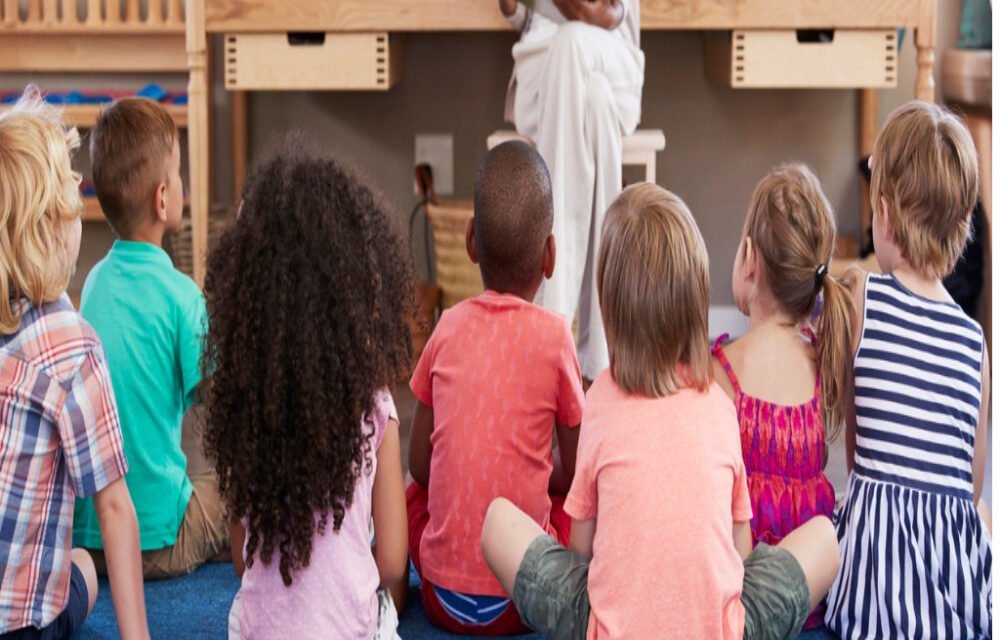
In a globalized and multicultural world, cultural awareness must begin early. Early learning exposes children to diverse languages, traditions, and perspectives, teaching respect for differences. Songs, stories, and festivals drawn from various cultures help children appreciate both unique and shared human experiences. Teachers play a crucial role in presenting diversity as a source of strength and collaboration. Such exposure broadens children’s worldviews, reducing prejudice and fostering inclusiveness. Inclusive early learning environments ensure that all children, regardless of background or ability, feel valued and understood. Early cultural awareness reinforces empathy, tolerance, and open-mindedness, essential attributes for peaceable coexistence. The relevance of early learning here goes beyond education; it cultivates responsible global citizens who embrace unity through diversity.
Developing Readiness for Formal Education
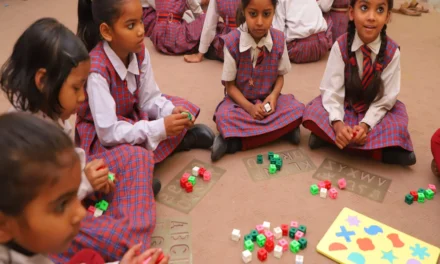
Early learning is vital for preparing children for the transition to formal schooling. School readiness involves not merely academic preparedness but emotional, social, and self-regulatory competence. Early learning helps children adapt to structured routines and follow instructions while maintaining enthusiasm for discovery. Foundational literacy and numeracy concepts introduced through play and interaction enable smoother adaptation to academic environments. Teachers also help develop perseverance, attention span, and collaborative learning behaviors essential in school contexts. The relevance of early learning lies in creating confident, motivated learners equipped to thrive in formal education systems. It ensures that learning is not an imposed task but an ongoing process of curiosity and growth.
Strengthening Family and Community Bonds
Early learning extends its influence beyond the child, shaping family dynamics and community cohesion. Programs that involve parents foster understanding of child development and effective parenting strategies. When families engage actively in early learning—through reading, play, and conversation—they reinforce developmental progress at home. Community-oriented early education connects children and parents to shared cultural and social resources, strengthening collective identity. This partnership between families, educators, and community members ensures consistent values and shared responsibility for child development. The relevance of early learning in this broader social framework lies in promoting stronger families, cohesive communities, and socially responsible citizens who value cooperation and shared growth.
Conclusion
The relevance of early learning in child development transcends academic preparation, encompassing the physical, emotional, social, and cognitive dimensions that define human potential. It forms the bedrock upon which children build lifelong learning habits, moral understanding, and social consciousness. Early learning stimulates the brain during its most critical period of development, laying the groundwork for intellectual and emotional maturity. By emphasizing creativity, communication, moral awareness, and inclusion, early education ensures balanced growth that benefits individuals and society alike. Investing in early learning is therefore investing in the future—one where every child has the opportunity to realize their potential, contribute meaningfully to their communities, and live with confidence, empathy, and purpose.
Hashtags
#EarlyLearning #ChildDevelopment #HolisticEducation #EarlyYears #CognitiveGrowth #EmotionalIntelligence #SocialSkills #MoralDevelopment #PlayBasedLearning #Creativity #LanguageDevelopment #PhysicalGrowth #EducationForAll #EarlyEducation #LearningThroughPlay #CulturalDiversity #ChildEmpowerment #FamilyEngagement #LifelongLearning #ChildhoodPrograms #SchoolReadiness #InclusiveEducation #SelfConfidence #GlobalCitizenship #HolisticGrowth