
Importance of Developmentally Appropriate Timing
- Formal assessment should begin when children have developed basic self-regulation and communication skills, often around age 4 or 5.
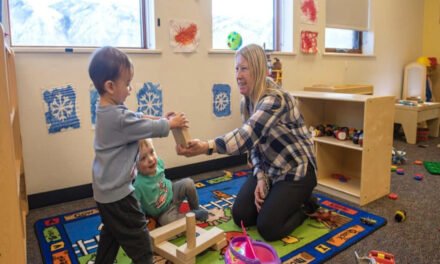
- Early years focus more on informal, observational assessment rather than standardized tests.
- Assessments should align with children’s developmental stages, avoiding premature pressure.
- Early informal assessments guide teaching and individualize learning before formal measures start.
- Introducing formal assessment too early can cause stress and misrepresent true abilities.
Role of Kindergarten and Pre-K Transition
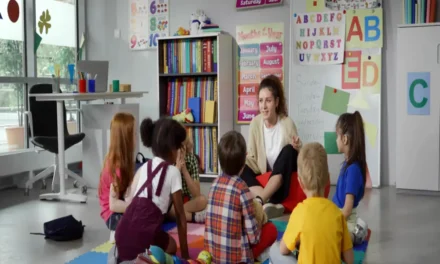
- Formal assessments are commonly introduced in preschool or kindergarten to evaluate readiness for school.
- These assessments measure literacy, numeracy, social skills, and motor development against benchmarks.
- They help educators identify children needing additional support before entering primary school.
- Formal evaluation supports curriculum planning and instructional adjustments for groups.
- Assessment timing coincides with key developmental milestones and school-entry standards.
Balancing Formal and Informal Methods
- Formal assessment complements ongoing informal observation, documentation, and portfolios.
- Informal methods capture creativity, social-emotional growth, and contextual learning often missed in formal tests.
- Educators use multiple data points to create a well-rounded understanding of progress.
- Formal timing should be integrated with formative assessments for continuous learning support.
- This balance respects individual differences and nurtures positive attitudes toward assessment.
Cultural and Contextual Sensitivity
- Timing of formal assessment must consider cultural, linguistic, and environmental factors affecting development.
- Some children may need longer informal phases due to language barriers or different learning experiences.
- Formal tools should be culturally appropriate and free from bias to ensure fair evaluation.
- Flexible timing allows accommodation of diverse early learning trajectories.
- Parent and community involvement helps select suitable assessment timing and methods.
Purpose and Impact of Early Formal Assessment
- Formal assessments provide measurable data for educational planning, accountability, and policy-making.
- They identify developmental delays and learning disabilities early, enabling timely interventions.
- Proper timing ensures assessments foster growth rather than hinder confidence or motivation.
- Results support collaboration among educators, families, and specialists for child-centered support.
- Ultimately, formal assessments in early education should enhance learning and development in a supportive environment.