

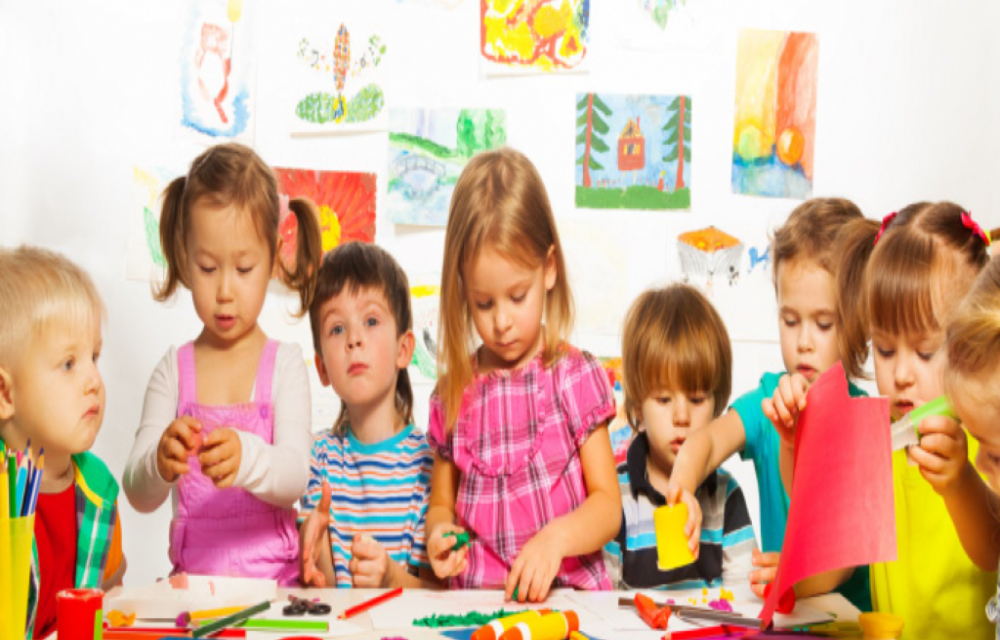
Finland’s Holistic Approach
- Finland is renowned for its child-centered, play-based curriculum emphasizing exploration and creativity.
- Teachers are highly qualified, with master’s degrees and respected professional status.
- The education system prioritizes equity, access, and minimal standardized testing.
- Early childhood education integrates health, well-being, and family engagement.
- Inclusion of outdoor learning and flexible school hours supports child development.
Singapore’s High-Quality Curriculum
- Singapore offers a rigorous, research-based curriculum with strong emphasis on literacy, numeracy, and bilingual education.
- Teachers receive extensive training and ongoing professional development.
- The system balances academic excellence with character education and innovation.
- Classrooms are technology-equipped and foster interactive learning.
- Government investment in education infrastructure supports quality and accessibility.
Denmark’s Inclusive Play-Based Model
- Denmark integrates compulsory early education focused on play, social skills, and creativity.
- Small class sizes and low teacher-student ratios promote individualized attention.
- Education emphasizes collaboration, sustainability, and critical thinking.
- Comprehensive welfare and parental leave support child development from birth.
- The learning environment fosters equality and lifelong curiosity.
Netherlands’ Strong Early Learning Framework
- Dutch early childhood education blends structured learning with child-led activities.
- The curriculum is built on developmental research and integrates cultural diversity.
- Educators focus on language development, social-emotional skills, and school readiness.
- Emphasis on family involvement and community partnerships strengthens outcomes.
- Policies ensure accessibility and quality monitoring across settings.
Australia’s Diverse and Progressive System
- Australia offers a nationally consistent early childhood curriculum promoting play, inquiry, and wellbeing.
- Training and accreditation standards ensure educator quality.
- The system supports inclusion across languages, cultures, and abilities.
- It encourages innovation and adjustment to local community needs.
- National frameworks promote collaboration among educators, families, and services.