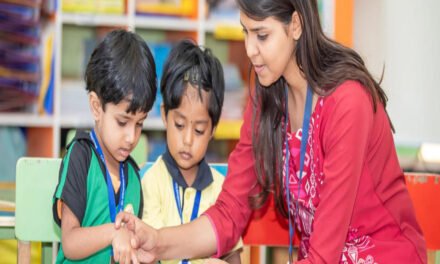


Instructional Adaptation
- Teachers have actively modified their instructional strategies to meet the diverse learning needs of all students.
- They use differentiated teaching, varied materials, and flexible pacing to accommodate students with disabilities and varied abilities.
- Instructional adjustments help ensure accessibility and engagement for every learner.
- Teachers continuously evaluate and refine lessons based on classroom diversity.
- Effective instructional adaptation improves learning outcomes in inclusive settings.
Classroom Management and Environment
- Educators have adapted classroom arrangements to support inclusive participation and safety.
- Creating flexible, supportive spaces facilitates collaboration and individualized attention.
- Use of assistive technologies and varied seating supports diverse learners.
- Positive behavior management strategies foster a respectful and inclusive atmosphere.
- Adapted environments help all children feel valued and supported.
Professional Development and Training
- Many teachers engage in ongoing professional learning focused on inclusive education principles and practices.
- Training strengthens skills in differentiated instruction, assessment accommodations, and collaboration with specialists.
- Professional development increases teacher confidence and competence in diverse classrooms.
- Well-supported teachers are better equipped to meet legal and ethical inclusion mandates.
- Training fosters reflective practice and continuous improvement in inclusion.
Collaboration with Support Systems
- Teachers work with special educators, therapists, and families to co-create effective learning plans.
- Collaborative approaches enable tailored support for individual student needs.
- Sharing expertise and resources improves instructional quality and social integration.
- Communication with families enhances cultural responsiveness and consistency.
- Collaboration strengthens the inclusive education ecosystem.
Challenges and Ongoing Needs
- Despite progress, many teachers face challenges due to inadequate resources, high workload, and diverse student needs.
- Some educators feel underprepared for complex inclusion demands.
- Continued support and policy backing remain essential to sustain effective adaptation.
- Teacher attitudes and beliefs about inclusion influence adaptation success.
Commitment to equity and inclusion drives ongoing efforts to improve teacher readiness.