

Introduction
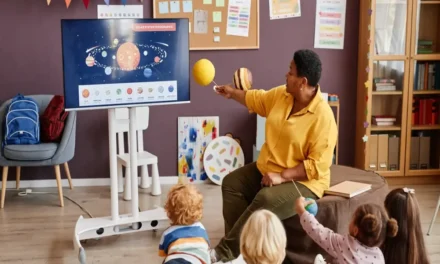
Teachers play a crucial role in guiding peer relationships among young learners, shaping the social dynamics and emotional climate of the classroom. Positive peer interactions contribute significantly to children’s social development, emotional well-being, and academic success. Teachers’ intentional efforts to support and model respectful, cooperative peer relationships foster inclusion, reduce conflict, and promote a sense of belonging. This essay examines the multifaceted role of teachers in nurturing, guiding, and sustaining healthy peer relationships in educational settings, underlining their impact on the holistic development of children.
Modeling Positive Interactions
One of the foundational roles teachers have in guiding peer relationships is modeling positive social interaction. Through consistent demonstration of empathy, respect, active listening, and collaboration, teachers set behavioral standards for students to emulate. Children observe and internalize these modeled behaviors, learning how to communicate effectively, resolve conflicts constructively, and support one another. When teachers treat all students with fairness and kindness, they implicitly encourage similar treatment among peers, cultivating a classroom culture grounded in mutual respect.
Creating a Supportive Classroom Environment
Teachers are responsible for fostering an environment where peer relationships can flourish. This involves establishing clear social norms, routines, and expectations that emphasize inclusivity, cooperation, and kindness. A supportive classroom environment provides physical spaces that encourage group work and social interaction while minimizing opportunities for negative behavior. Teachers also facilitate social-emotional learning activities that help children understand feelings, perspectives, and appropriate social responses, creating a scaffolded approach to relationship building.
Facilitating Peer Collaboration and Communication
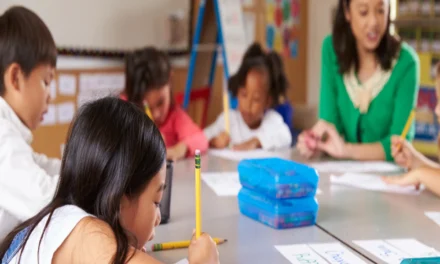
Guiding peer relationships includes designing intentional collaborative learning experiences that promote teamwork and communication. Teachers organize group projects, paired activities, and cooperative games that require students to listen, negotiate, and share responsibilities. Structured interactions ensure equitable participation and help children develop skills such as turn-taking, empathy, and conflict resolution. Through guided collaboration, students learn to value diverse viewpoints and develop a sense of collective accomplishment.
Identifying and Addressing Social Challenges
Teachers vigilantly observe peer interactions to identify social difficulties such as exclusion, bullying, or misunderstandings. Early identification allows educators to intervene promptly using mediation, social skills instruction, or individual support. Teachers also provide opportunities for reflection and restorative practices that repair relationships and build empathy. Addressing conflicts sensitively reinforces the importance of respect and community, preventing the escalation of negative interactions and promoting social harmony.
Supporting Inclusion and Diversity
In diverse classrooms, teachers actively promote inclusion by helping students understand, respect, and appreciate differences in culture, language, ability, and background among peers. Educators facilitate conversations and activities that celebrate diversity and challenge stereotypes or biases. Encouraging inclusive peer relationships supports all children’s sense of belonging and identity, reducing marginalization and fostering positive social networks. This emphasis on inclusion models democratic values and social justice at an early age.
Encouraging Emotional Expression and Empathy
Teachers guide peer relationships by encouraging children to express their emotions constructively and understand others’ feelings. Emotional literacy activities, such as role-playing or storytelling, help children articulate their experiences and respond empathetically to peers. This emotional awareness strengthens trust, cooperation, and conflict resolution among students. When children learn to recognize and respect emotions in themselves and others, peer relationships deepen and become more supportive and resilient.
Professional Development and Reflective Practice
Teachers benefit from ongoing professional development that enhances their skills in facilitating peer relationships. Training in social-emotional learning, conflict mediation, and culturally responsive teaching equips educators to address complex social dynamics effectively. Reflective practice allows teachers to evaluate their approaches, adapt strategies to students’ evolving needs, and continuously improve relationship-building practices. Professional growth ensures that teachers remain proactive and skilled guides for positive peer interactions.
Long-Term Benefits for Holistic Development
Teachers’ guidance in peer relationships lays foundations for lifelong social competence, emotional resilience, and academic success. Healthy peer interactions improve children’s communication and collaboration skills, supporting more effective learning and problem-solving. Positive social networks enhance children’s mental health and self-esteem, reducing behavioral issues. Through teachers’ influence, children develop identities as respectful, empathetic community members, prepared to engage constructively beyond school settings.
Conclusion
Teachers fundamentally influence the development and quality of peer relationships in the classroom through modeling, creating supportive environments, facilitating collaboration, and addressing social challenges. Their role in promoting inclusion, emotional expression, and empathy fosters a positive social climate essential for holistic child development. Continuous professional learning empowers teachers to guide peer interactions effectively, benefiting children’s academic and social-emotional well-being. By nurturing respectful and supportive peer relationships, teachers contribute enduringly to children’s social competence and success.
Hashtags
#TeacherRole #PeerRelationships #SocialEmotionalLearning #PositiveClassroom #InclusionInEducation #CollaborativeLearning #EmotionalLiteracy #ConflictResolution #EmpathyDevelopment #ChildDevelopment #RespectfulInteractions #EarlyChildhoodEducation #SocialSkills #DiversityInClassroom #PeerSupport #TeacherModeling #SafeLearningEnvironment #CommunityBuilding #ReflectiveTeaching #ProfessionalDevelopment #StudentEngagement #PositiveBehaviorSupport #ClassroomManagement #HolisticEducation #LearningEnvironment