

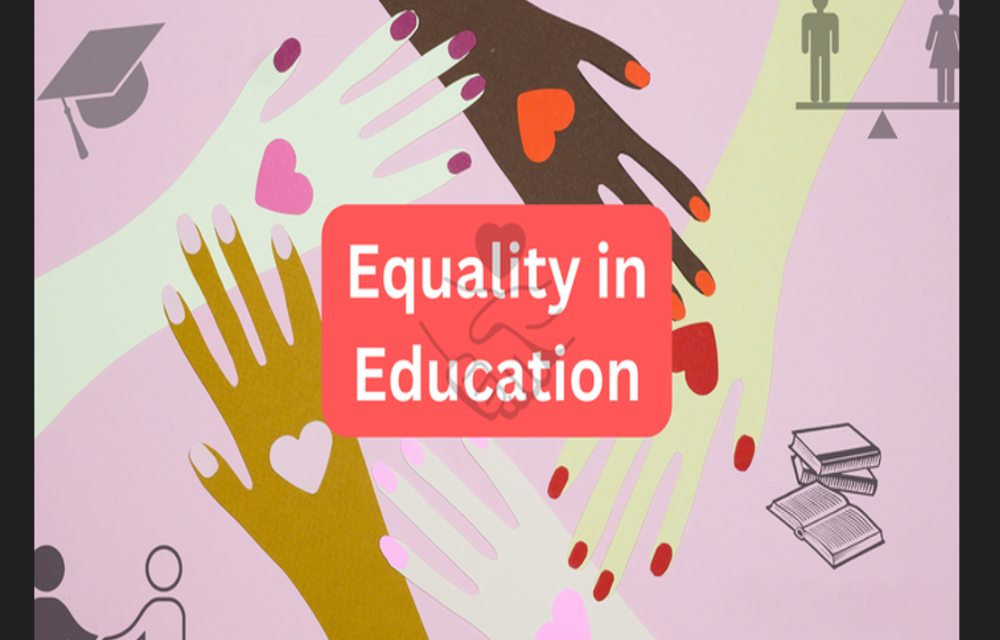
Early childhood policies increasingly aim to promote gender equality in education, recognizing this stage as a critical period for shaping attitudes and behaviors related to gender roles. These policies focus on providing equal opportunities for boys and girls in learning, play, and social interactions, challenging traditional stereotypes that often limit children’s experiences. By embedding principles of fairness, inclusivity, and respect into early childhood curricula and environments, policymakers seek to lay the foundation for a more equitable society, starting from the earliest years.
Key strategies include adopting gender-sensitive and gender-transformative curricula that celebrate diversity and challenge harmful norms. This means ensuring that play materials, stories, and activities do not reinforce gender segregation but rather encourage children to explore interests freely and develop a broad range of skills. Teacher training programs are also emphasizing the importance of guiding educators to be aware of and counteract their own biases. Educators are encouraged to foster inclusive classrooms where all children feel valued and supported, promoting collaboration between boys and girls.
Another important aspect of these policies is engaging families and communities to support gender equality beyond the classroom. Encouraging parents to share caregiving and educational roles helps challenge entrenched attitudes about gendered responsibilities. Public awareness campaigns and community involvement are integral to sustaining policy impacts and ensuring that gender equality becomes a shared commitment. Policies also address the overrepresentation and working conditions of women in the early childhood workforce, promoting professional recognition and efforts to attract men to the field to create balanced role models.
Overall, these gender equality policies in early childhood education strive not only to provide equal access but also to transform cultural perceptions and behaviors surrounding gender. By targeting the formative preschool years, such policies aim to prevent the development of stereotypes, cultivate positive social attitudes, and support all children in reaching their fullest potential, ultimately contributing to long-term social equity and inclusion.