

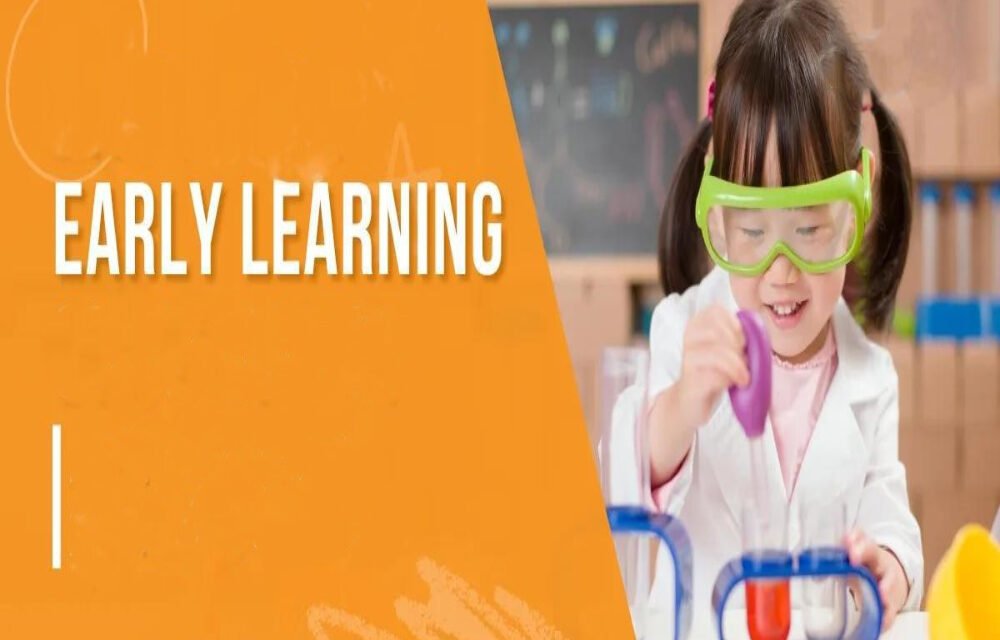
Early learning experts unanimously emphasize the crucial importance of investing in the first five years of a child’s life, citing this period as foundational for lifelong cognitive, social, and emotional development. Research shows that the early years are when the brain undergoes the most rapid growth and development, establishing key neural connections that underpin essential skills for success in school and life. Investments during this window provide significant returns by enhancing children’s readiness to learn, reducing developmental disparities, and setting positive trajectories that contribute to better health, education, and economic outcomes.
Renowned economists like Nobel laureate James Heckman highlight that early childhood investment yields substantial social and economic benefits. High-quality early education for disadvantaged children results in improved academic achievement, higher earnings, and lower rates of crime and remedial education needs. The return on investing in early childhood programs is estimated at 7% to 13% annually per child, significantly outpacing investments made later in life. Such findings make a compelling case for policymakers to prioritize support for comprehensive, accessible early childhood education and care systems.
Experts also stress that investment should extend beyond access to encompass quality and equity. This includes well-trained educators, inclusive practices that meet diverse children’s needs, and family support programs that reinforce learning at home. The focus on character development alongside cognitive skills is increasingly recognized as vital to nurturing attention, self-regulation, and collaboration abilities. For disadvantaged families, targeted supports such as early intervention, parent coaching, and health services are essential complements to early education investments, mitigating socio-economic barriers to child development.
Finally, early learning leaders advocate for sustained and well-coordinated funding approaches that integrate early childhood education with broader social policies. Aligning health, nutrition, and family welfare with educational investments ensures holistic support for children’s development. Achieving the Sustainable Development Goals related to education and poverty reduction relies heavily on these strategic investments in the first five years. Collective action and greater investment today promise to build more equitable and prosperous societies tomorrow by unlocking each child’s full potential from the very beginning.