

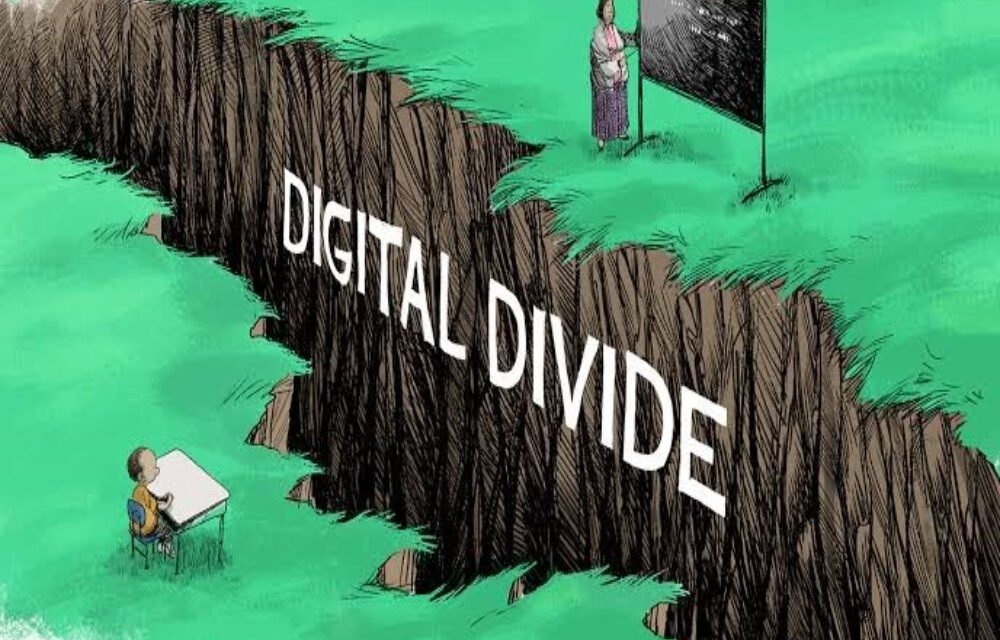
The digital divide remains a significant challenge in ensuring equitable access to early learning in rural areas, where limited infrastructure and resources restrict children’s opportunities to benefit from modern educational technologies. In many rural communities, access to reliable internet, digital devices, and skilled educators proficient in technology use is sparse, leaving young learners at a distinct disadvantage compared to their urban peers. This digital gap exacerbates existing educational inequalities and limits rural children’s exposure to rich, interactive learning experiences critical for school readiness.
Financial constraints and infrastructure deficiencies play major roles in perpetuating the divide. Rural schools often lack funding to equip classrooms with up-to-date computers, tablets, or internet connectivity, while many families cannot afford devices or broadband subscriptions. The lack of digital literacy among teachers and parents further hinders effective technology integration, reducing the potential for children to develop essential digital skills from an early age. These limitations restrict access to quality online educational resources and personalized learning tools that could otherwise support diverse learning needs.
Efforts to bridge the rural digital divide emphasize multi-pronged strategies involving government initiatives, public-private partnerships, community engagement, and teacher training. Governments are expanding digital infrastructure projects and subsidizing device access, while private companies collaborate to provide affordable connectivity and educational software. Community centers and mobile learning units help bring digital resources closer to underserved populations. Equipping educators with the necessary training and support enables them to integrate digital tools effectively, maximizing the benefits for early learners.
Addressing the digital divide in rural early learning is essential to ensuring all children have equal opportunities to develop the skills needed for future success in an increasingly digital world. Without equitable access to technology, rural children face ongoing barriers to educational attainment and social mobility. Bridging this divide requires sustained collaboration among policymakers, educators, technology providers, and communities to create inclusive learning environments that empower every child, regardless of geographic location, to thrive.