

Introduction
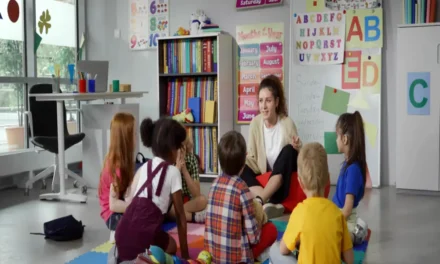
Peers exert a profound influence on children’s early learning experiences, shaping their social, emotional, cognitive, and behavioral development. Interaction with peers provides young children with opportunities to build essential skills such as communication, cooperation, empathy, and problem-solving. As children enter preschool and early education settings, peer relationships become central to their social world, affecting their motivation, self-concept, and overall learning process. Understanding the multifaceted roles peers play helps educators and caregivers foster healthy peer environments that enhance learning outcomes and social competence in early childhood.
Role of Peers in Social Skill Development
Peer interactions are vital for developing social skills that support lifelong relationships and community participation. Playing with peers involves negotiating rules, sharing resources, resolving conflicts, and learning to take turns. These situations teach children important interpersonal skills such as empathy, cooperation, active listening, and perspective-taking. Positive peer engagements reinforce prosocial behaviors and self-regulation, enabling children to function harmoniously within their social groups. Conversely, challenges encountered in peer relationships, such as disputes or exclusion, also offer learning opportunities for social problem-solving and emotional resilience.
Peers as Language and Cognitive Skill Facilitators
Peers contribute significantly to language development by exposing each other to new vocabulary, sentence structures, and conversational patterns. During play and group activities, children engage in dialogue that enhances expressive and receptive language skills. Peer interactions stimulate cognitive growth by promoting collaborative problem-solving, creativity, and critical thinking. Children learn from observing peers’ approaches and experimenting together, which broadens their understanding and reasoning abilities. Research shows that language-rich peer environments accelerate vocabulary acquisition and complex language use more effectively than adult-led communication alone.
Impact on Emotional and Self-Concept Development
Peer acceptance and friendships profoundly affect children’s emotional well-being and self-esteem. Being accepted by peers fosters a sense of belonging and validation, which builds confidence and motivation for learning. Positive peer relationships provide emotional support and security, helping children manage stress and navigate uncertainties. On the contrary, experiences of peer rejection or bullying can contribute to anxiety, withdrawal, and behavioral difficulties. Healthy peer environments promote emotional expression, mutual respect, and the development of a positive self-concept essential for social adjustment.
Peer Influence on Behavior and Norms
Peers influence children’s behaviors by establishing social norms and expectations that guide conduct. Children often emulate their peers’ actions, language, and attitudes to gain acceptance and approval. This influence can be positive, encouraging prosocial behavior such as sharing and cooperation, or negative if peers model aggression, defiance, or exclusion. Educators and caregivers play a critical role in fostering positive peer cultures by promoting inclusivity, modeling respectful behavior, and addressing negative peer influences. Guiding children in understanding the impact of their behaviors supports responsible social development.
Peer Relationships as Contexts for Learning
The peer group provides a dynamic context for experiential and social learning beyond formal instruction. Through joint activities such as collaborative play, group projects, and storytelling, children practice communication, negotiation, and leadership. These shared experiences facilitate cognitive connections and reinforce academic concepts in engaging, meaningful ways. Peer interactions encourage exploratory learning and motivate children to persist through challenges. The social context of learning enhances attention, curiosity, and intrinsic motivation, making peer relationships integral to effective early education.
Challenges and Opportunities in Peer Interactions
While peers provide valuable learning opportunities, their interactions may also present developmental challenges. For example, peer pressure can lead children to imitate risky or inappropriate behaviors. Conflicts or competition may arise due to differing abilities or personalities. Children with social or developmental difficulties might experience exclusion or isolation. However, these challenges can be mitigated through intentional support from educators who teach conflict resolution, empathy, and inclusion strategies. Developing social awareness and coping skills within peer contexts prepares children for diverse social interactions throughout life.
Supporting Positive Peer Environments
Creating and maintaining positive peer environments is crucial in early childhood settings. Educators can encourage inclusive play, facilitate cooperative learning, and model respectful interactions. Implementing group norms that promote kindness, sharing, and listening ensures a safe and supportive social atmosphere. Supporting children in forming friendships and mediating conflicts promotes social harmony and emotional security. Family engagement and communication about peer experiences further extend support beyond the classroom. Together, these efforts nurture peer relationships that contribute constructively to early learning and development.
Conclusion
Peers play a multifaceted and influential role in early learning by shaping social skills, language development, emotional well-being, and behavior. Positive peer interactions foster cooperation, empathy, motivation, and cognitive growth, creating rich learning contexts. While challenges such as peer pressure and exclusion exist, supportive environments guided by educators promote healthy peer cultures that enhance learning and social competence. Recognizing and leveraging the power of peer influence enriches early childhood education and lays the foundation for lifelong social and academic success.
Hashtags
#PeerInfluence #EarlyChildhoodEducation #SocialSkills #LanguageDevelopment #EmotionalWellbeing #PositiveBehavior #CooperativeLearning #EmpathyInChildren #ChildDevelopment #PeerRelationships #SocialCompetence #InclusiveEducation #PeerPressure #FriendshipSkills #LearningThroughPlay #CommunicationSkills #SelfConcept #ConflictResolution #MotivationInLearning #CollaborativeLearning #HealthyRelationships #EarlyLearning #PeerSupport #ChildhoodGrowth #SchoolReadiness #HolisticEducation