
Introduction
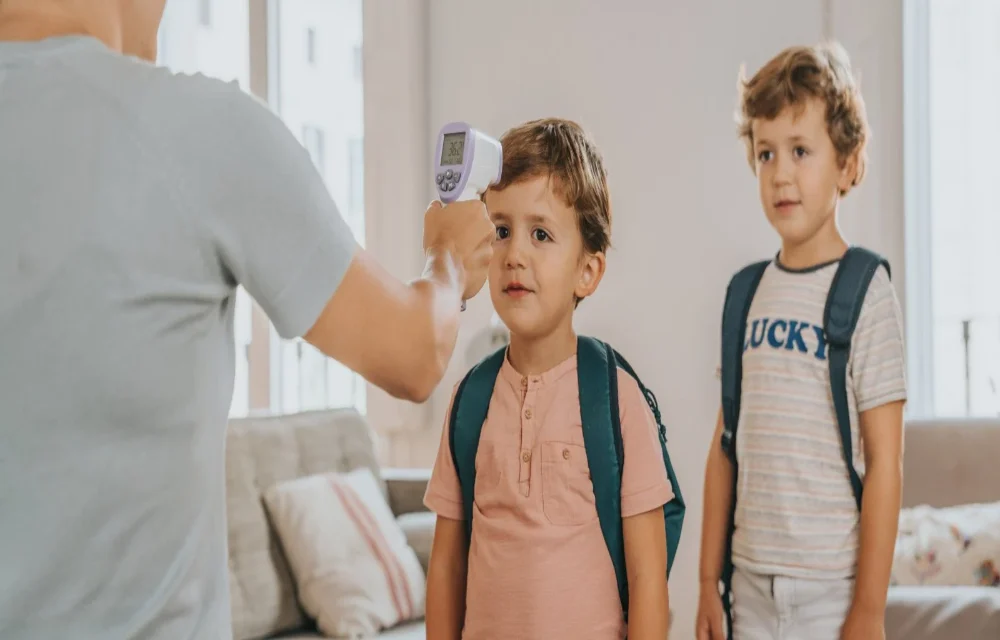
Regular health checkups in preschools are a crucial component of comprehensive child development and wellness strategies. The preschool years represent a critical phase of rapid physical, emotional, cognitive, and social growth. Early detection and timely management of health issues during this period can considerably influence long-term outcomes and quality of life. Health checkups in preschools not only monitor growth and development but also serve as proactive preventive care measures against diseases and developmental delays. This essay outlines the multifaceted importance of regular health checkups in preschool settings, highlighting their role in ensuring optimal health, fostering early intervention, and supporting families and educators.
Monitoring Growth and Physical Development
One of the primary reasons for routine health checkups in preschools is to monitor children’s physical growth and development. Pediatric assessments include measuring height, weight, head circumference, and body mass index, which provide valuable insights into nutritional status and overall health. These measurements allow healthcare providers to identify growth abnormalities such as stunting, underweight, or obesity, which may impact a child’s development and well-being. Tracking developmental milestones related to motor skills and sensory abilities enables early recognition of delays or abnormalities, facilitating targeted support to ensure children achieve age-appropriate progress.
Early Detection of Health Issues
Regular health screenings enable the early identification of potential medical conditions that may otherwise go unnoticed until more severe symptoms arise. These include common childhood illnesses like vision and hearing impairments, respiratory infections, dental problems, anemia, and nutritional deficiencies. Importantly, health checkups provide opportunities to detect chronic conditions such as asthma or allergies that require ongoing management. Identifying these issues promptly allows for early intervention which can minimize complications, improve management, and reduce the need for more intensive medical care later in life.
Immunization Updates and Disease Prevention
An integral part of preschool health checkups is ensuring children remain up-to-date with recommended immunizations. Vaccinations are fundamental in providing immunity against serious childhood diseases such as measles, mumps, rubella, and polio. Regular monitoring helps identify missed or delayed vaccinations, enabling timely catch-up schedules. Maintaining high immunization coverage within preschools also contributes to community immunity, protecting vulnerable children and reducing outbreaks of infectious diseases. Health checkups thus play a preventive role in safeguarding both individual and public health.
Supporting Mental and Emotional Well-being
Health checkups in preschools extend beyond physical health to include mental and emotional screening. Healthcare professionals assess behavioral development, social interactions, and emotional regulation, identifying early warning signs of conditions such as anxiety, attention deficits, or developmental disorders. Early identification allows referrals for psychological evaluation, early childhood intervention programs, or therapeutic support. Addressing emotional and behavioral health proactively supports children’s ability to learn, form relationships, and adapt successfully to social environments, enhancing overall educational experiences.
Educating Families and Caregivers
Preschool health checkups serve as vital opportunities to engage and educate families about child health, nutrition, hygiene, safety, and preventive care. Healthcare providers can offer personalized advice addressing common parental concerns and promote healthy lifestyle habits. This collaborative approach empowers parents to support their child’s health outside of preschool, reinforcing positive behaviors crucial for growth and development. Regular communication between health professionals and families also builds trust and ensures consistent care aligned with each child’s unique needs.
Reducing Absenteeism and Supporting Learning
Good health is closely linked to school attendance and academic success. Regular health checkups help prevent frequent absences caused by unmanaged illnesses or untreated health problems. Children who receive timely medical attention are better able to participate actively in learning and social activities, maximizing developmental opportunities offered by preschools. Early detection and management of health concerns also reduce the risk of long-term absenteeism, thus supporting smoother educational transitions and consistent academic progress.
Creating a Safe and Inclusive Preschool Environment
Routine health checks contribute to creating safe and inclusive preschool environments by identifying children with health conditions requiring accommodations or individualized support. For example, children with allergies or chronic illnesses may need specific care plans to ensure their safety while participating fully in preschool routines. Health screenings also identify developmental or sensory challenges, enabling early intervention services that promote inclusion. Ensuring the wellbeing of every child fosters a nurturing environment conducive to learning and social harmony.
Collaborative Role of Preschools in Child Health
Preschools play a collaborative role alongside healthcare providers, families, and communities in promoting children’s health. Organizing regular health checkups as part of preschool programs demonstrates commitment to holistic child development. Preschools provide a convenient and familiar setting for screenings and facilitate timely referrals for follow-up care. This integration underscores the critical nature of early health monitoring in supporting broader educational and health objectives, contributing to enhanced child wellbeing at the individual and community levels.
Conclusion
Regular health checkups in preschools are indispensable for safeguarding children’s physical, emotional, and cognitive development. Through vigilant growth monitoring, early detection of health issues, immunization updates, mental health screening, and family education, health checkups ensure comprehensive preventive care. These practices minimize health-related absenteeism, foster inclusive learning environments, and promote lifelong health habits. Preschools, health professionals, and families must collaborate actively to prioritize routine health assessments, thereby nurturing healthier, happier, and more resilient young learners prepared for future educational success.
Hashtags
#PreschoolHealth #ChildWellbeing #EarlyChildhoodCare #HealthCheckups #GrowthMonitoring #EarlyIntervention #Immunization #PreventiveCare #ChildDevelopment #MentalHealthScreening #FamilyEngagement #InclusiveEducation #HealthyLearning #PediatricCare #DevelopmentalScreening #SchoolReadiness #CommunityHealth #EducationalSuccess #HolisticDevelopment #ChildSafety #ParentalEducation #PreventingAbsenteeism #SupportiveEnvironments #HealthPromotion #CollaborativeCare #EarlyHealthAssessment