
Global Investment Trends
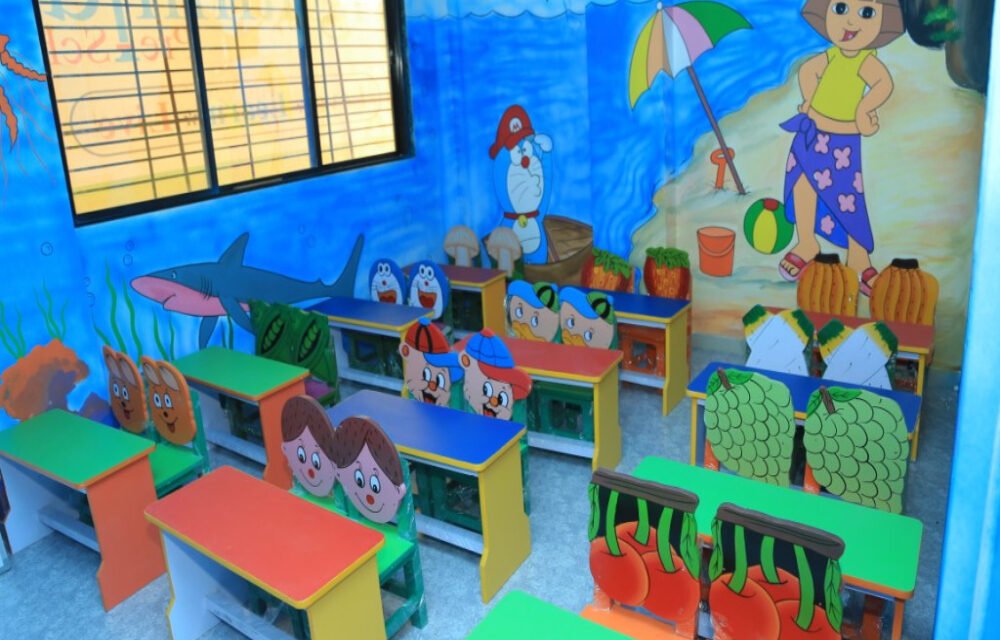
- Many countries, particularly in low- and middle-income regions, have increased investments in preschool infrastructure in recent years.
- Investments often focus on building physical facilities, improving access, and expanding enrollment.
- However, funding levels tend to vary widely between high-income and low-income countries.
- International aid and partnerships supplement domestic investments, especially in under-resourced areas.
- Despite increased funding, preschool infrastructure remains insufficient to meet growing demand globally.
Quality Versus Quantity Challenges
- Some investments improve structural aspects of preschool facilities but do not sufficiently enhance teaching quality or learning outcomes.
- Infrastructure upgrades often lack accompanying investments in teacher training and curriculum development.
- Quality of educational processes is critical for maximizing the benefits of physical infrastructure.
- Ensuring all preschools meet safety, accessibility, and resource standards remains a challenge.
- Balanced investments in both infrastructure and quality are essential for effective early childhood education.
Resource Allocation Disparities
- Low-income countries allocate significantly less public budget proportionally to preschool education compared to higher education levels.
- Even within countries, urban areas frequently receive better infrastructure funding than rural or remote regions.
- Conflict-affected and marginalized communities face the greatest deficits in accessible, quality preschool infrastructure.
- Disparities hinder equitable access and quality outcomes among different population groups.
- Strategic funding is necessary to reduce these inequities and support universal preschool access.
Impact of Global Crises
- The COVID-19 pandemic and other global crises disrupted early childhood education infrastructure development.
- Health-related restrictions highlighted infrastructure needs for safety and hygiene improvements.
- Economic downturns strained public budgets, slowing investment progress in many regions.
- Recovery plans prioritize early childhood care as critical yet face implementation delays.
- Resilience-building is an emerging focus to safeguard preschool infrastructure in future crises.
Future Directions and Policy Implications
- Global frameworks like the Sustainable Development Goals emphasize universal access to quality early childhood education.
- Policymakers advocate increased, sustained funding for preschool infrastructure as a foundational investment.
- Innovations in community-based and hybrid models aim to overcome infrastructure constraints.
- Evidence-based policies support integrated approaches combining facilities, workforce, and program quality.
- Continued advocacy and monitoring will shape equitable, effective preschool infrastructure globally.