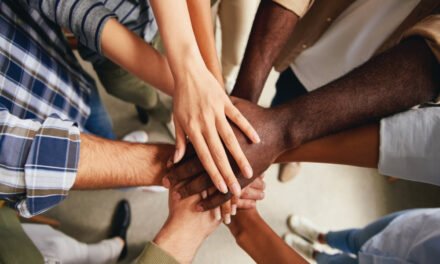


Early educators are increasingly receiving specialized training to effectively manage multicultural classrooms, reflecting growing diversity in early childhood education settings. These training programs focus on developing educators’ cultural competence, enabling them to recognize and value the diverse cultural backgrounds of children and families. Educators learn to design and implement inclusive curricula that honor multiple perspectives, languages, and traditions, which helps foster an environment of respect and belonging for all children.
The training also addresses common challenges such as implicit bias, cultural misunderstandings, and communication barriers. Educators are equipped with strategies to create equitable learning environments where every child has equal opportunities to participate and succeed. This includes using culturally relevant teaching materials, incorporating families’ cultural knowledge, and adapting instructional approaches to meet diverse learning needs. Role-playing, case studies, and reflective exercises are often used to build empathy, awareness, and practical skills for navigating multicultural classrooms.
Professional development courses also emphasize the importance of collaboration with families and communities to support children’s cultural identities and learning. Educators learn techniques for effective communication and partnership building with families from varied cultural backgrounds. This creates a bridge between home and school environments, reinforcing children’s sense of identity and security. Community engagement is viewed as integral to sustaining multicultural education and allowing continuous learning beyond the classroom.
Overall, training early childhood educators for multicultural classrooms enhances the quality and equity of early learning experiences. Well-prepared educators can celebrate diversity as a strength, reduce educational disparities, and nurture global citizenship from the earliest years. This commitment to inclusivity supports all children in developing positive self-esteem, social skills, and cultural awareness, setting the foundation for lifelong learning and respect for diversity.