
Introduction
Child-centered pedagogy is an educational approach that prioritizes the needs, interests, and experiences of children as the core focus of the learning process. It shifts the traditional teacher-led model to one where children are active participants, engaging with learning through exploration, inquiry, and hands-on experiences. This learner-centered method values individual differences, encourages autonomy, and nurtures holistic development by cultivating critical thinking, creativity, social skills, and self-expression. Recognizing the uniqueness of each child, this pedagogy creates supportive environments where learners can thrive at their own pace and according to their own interests.
The Historical and Philosophical Foundations
The roots of child-centered pedagogy trace back to educational theorists like Jean-Jacques Rousseau, John Dewey, and Maria Montessori, who emphasized that education should align with the natural developmental stages of the child. They challenged rote learning and authoritarian teaching, advocating for education that respects children’s curiosity, individuality, and capacity for self-directed learning. This approach is grounded in constructivist theories, where knowledge is actively constructed by learners rather than passively received. Philosophically, child-centered pedagogy views children as capable, competent beings who construct meaning through meaningful interactions with their environment and peers.
Personalized Learning and Individual Differences
At the heart of child-centered pedagogy is the recognition that every child learns differently, influenced by their background, interests, abilities, and pace of development. This approach rejects a ‘one size fits all’ curriculum and instead insists on adaptable teaching strategies that respond to these unique factors. Teachers observe and assess students continually to tailor learning experiences that engage and challenge each learner appropriately. By focusing on personalized learning, this pedagogy helps children build confidence and competence, fostering a love for learning and encouraging independence.
Active Participation and Hands-On Learning
Child-centered pedagogy emphasizes active engagement rather than passive reception of knowledge. Children are encouraged to explore materials, investigate ideas, and solve problems through inquiry-based activities and play. Hands-on learning experiences are essential, allowing children to make discoveries, test hypotheses, and connect concepts to real-life contexts. This method cultivates curiosity and intrinsic motivation by allowing children to take ownership of their learning journey, facilitating deeper understanding and retention of knowledge.
The Role of the Teacher as Facilitator and Guide
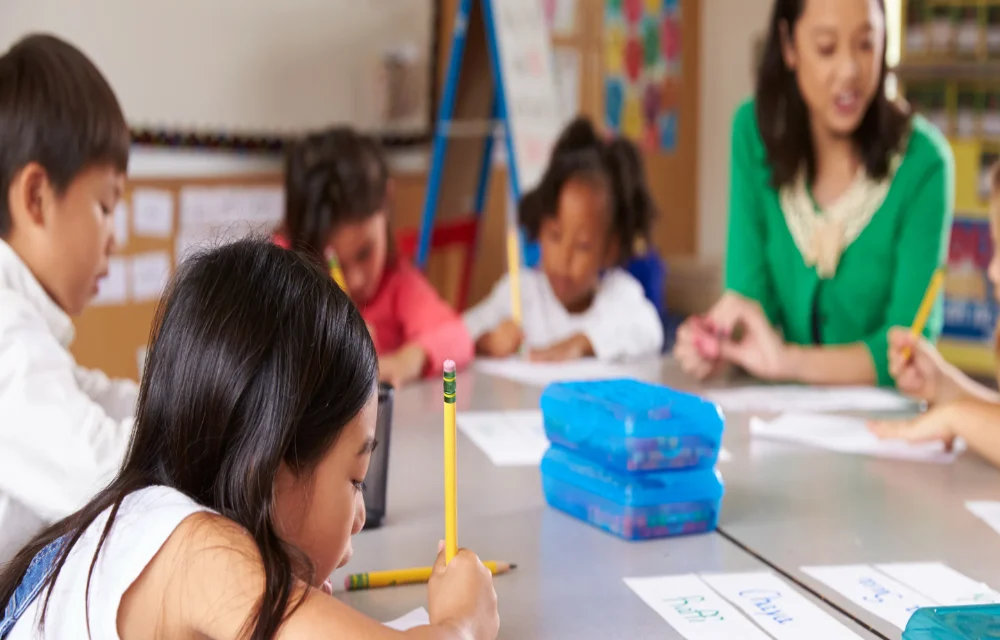
In child-centered pedagogy, the teacher’s role transforms from being the sole authority and transmitter of knowledge to a facilitator, guide, and co-learner. Teachers create rich, flexible learning environments, pose open-ended questions, and support children’s inquiry processes. They monitor progress attentively and provide scaffolding when needed, helping children extend their thinking and solve challenges. This partnership nurtures children’s autonomy and critical thinking skills while maintaining a supportive presence that encourages risk-taking and exploration.
Holistic Development Focus
Child-centered pedagogy goes beyond academic achievement by fostering holistic development—cognitive, emotional, social, and physical. Learning experiences are designed to help children develop self-regulation, empathy, collaboration skills, and creativity alongside intellectual growth. Emotional well-being and social competence are considered integral to learning, with activities promoting positive relationships, emotional expression, and self-awareness. This comprehensive focus prepares children not only for school success but for lifelong personal and social success.
Collaborative and Social Learning
Collaboration is a key element in child-centered pedagogy, recognizing that learning is often a social process. Group work, peer discussions, cooperative projects, and interactive play provide opportunities for children to negotiate, communicate, and share ideas. Such social interactions deepen understanding, teach perspective-taking, and build interpersonal skills. This social engagement aligns with the idea that children learn best when activities are meaningful and embedded in authentic social contexts.
Assessment as a Tool for Growth
Assessment in child-centered pedagogy shifts away from standardized, summative tests to continuous, formative, and holistic processes that respect each learner’s journey. Teachers document observations, engage in reflective dialogues with children, and use portfolios showcasing student work to understand learning progress. This approach values the development of skills, creativity, and problem-solving alongside knowledge acquisition, feeding back into instructional decisions that support individual growth. Assessment becomes an empowering and developmental tool rather than merely a judgment.
Integration in Diverse Educational Contexts
Child-centered pedagogy is adaptable to diverse settings, including formal classrooms, early childhood centers, community-based programs, and homeschooling environments. It respects cultural contexts and incorporates children’s lived experiences to make learning relevant and accessible. This flexibility enables educators to incorporate multilingualism, cultural diversity, and varied learning styles, enhancing engagement and equity. Its emphasis on active, joyful learning renders it highly suited for the foundational years of education where intrinsic motivation is paramount.
Conclusion
Child-centered pedagogy represents a transformative approach to education, placing children’s needs, interests, and experiences at the forefront of the learning process. Rooted in constructivist philosophy, it fosters personalized, active, and holistic learning in supportive environments. Teachers act as facilitators who nurture autonomy, creativity, and social interaction, while assessment supports continuous growth. This pedagogy promotes not just academic skills but also emotional and social competence, preparing children for lifelong learning and well-being. Embracing child-centered principles ensures education is a meaningful, engaging, and empowering journey for every learner.
Hashtags
#ChildCenteredPedagogy #EarlyChildhoodEducation #ActiveLearning #PersonalizedLearning #ConstructivistEducation #TeacherAsFacilitator #HolisticDevelopment #SocialLearning #CollaborativeLearning #InquiryBasedLearning #IndividualizedEducation #StudentEngagement #LearningThroughPlay #CriticalThinking #CreativeLearning #ReflectiveAssessment #EducationalEquity #CulturalRelevance #SelfDirectedLearning #EmotionalDevelopment #PeerInteraction #FlexibleCurriculum #ChildAutonomy #LifelongLearning #InclusiveEducation