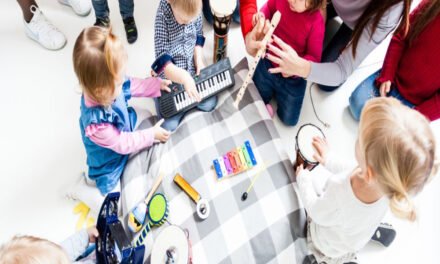


Early learning centers are increasingly introducing anti-bullying campaigns as part of comprehensive efforts to create safe and nurturing environments for young children. These campaigns raise awareness about bullying behaviors, promote empathy, and teach conflict resolution skills appropriate for early childhood settings. By addressing bullying at this developmental stage, centers aim to reduce negative peer interactions before they escalate, fostering positive social relationships and emotional well-being among preschoolers.
Anti-bullying programs in early childhood settings typically involve training educators to recognize subtle signs of bullying and intervene promptly. Staff members are equipped with strategies to guide children towards respectful and kind behavior while reinforcing inclusive values. Many programs use storytelling, role-playing, and classroom discussions to help children understand the impact of their actions on others. These proactive approaches help build children’s social and emotional competencies, which are foundational for preventing bullying.
Research supports the effectiveness of well-implemented anti-bullying interventions in reducing both bullying perpetration and victimization among young children. Studies like the Bernese Program (Be-Prox) have demonstrated significant decreases in negative behaviors and enhanced teacher confidence in managing peer interactions following such initiatives. Successful programs often adopt a whole-center approach, engaging not only educators but also families and the broader community to reinforce consistent messages about respect and kindness.
Although anti-bullying campaigns have shown positive results, experts emphasize the ongoing need for vigilance, staff training, and adaptability to evolving behaviors such as cyberbullying as children grow. The success of these programs hinges on a committed, collaborative culture that prioritizes children’s safety and emotional security above all. By embedding anti-bullying efforts into early education, centers contribute to healthy developmental trajectories and lay the groundwork for lifelong respectful interpersonal relationships.