
Encourages Creativity and Imagination
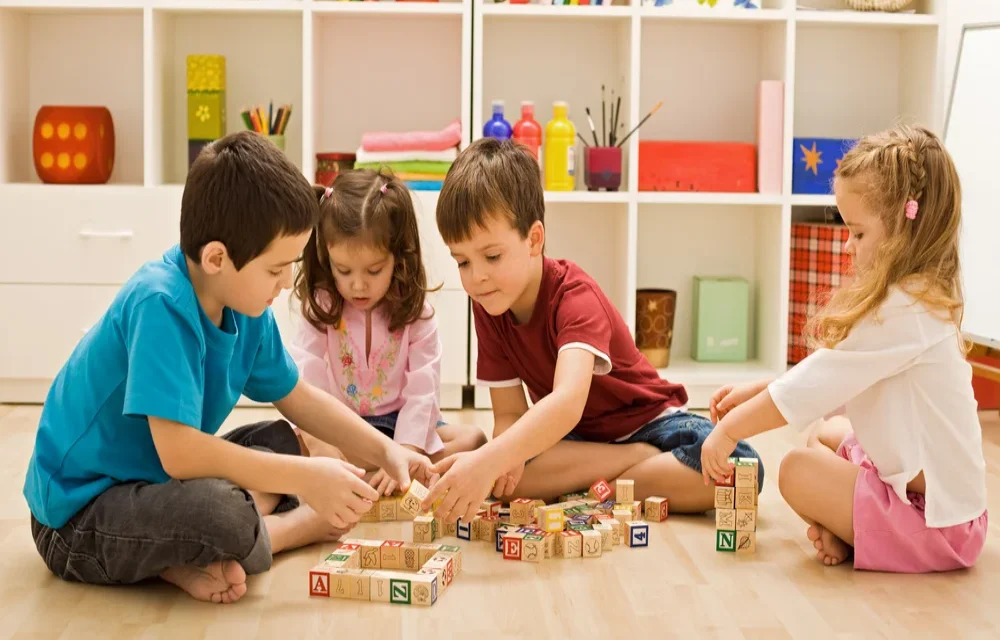
- Unstructured play allows children to freely explore, invent scenarios, and create without constraints.
- It nurtures innovative thinking and the ability to generate unique solutions to problems.
- Children use imagination to transform ordinary objects into tools for storytelling and role-play.
- This freedom fosters original ideas that structured play cannot fully replicate.
- Creativity gained during unstructured play supports later artistic and intellectual pursuits.
Fosters Independence and Decision-Making
- In unstructured play, children take the lead, making choices about how they play and with whom.
- This autonomy builds self-confidence and a sense of agency over learning experiences.
- Kids learn to initiate activities, set goals, and navigate challenges without adult direction.
- Decision-making during free play enhances executive functioning and problem-solving abilities.
- Developing these skills early contributes to lifelong independence and adaptability.
Promotes Emotional and Social Development
- Unstructured play provides a safe space for children to express emotions and experiment with social roles.
- Through play, children practice empathy, cooperation, negotiation, and conflict resolution.
- It helps learners regulate feelings by acting out scenarios and exploring different perspectives.
- Free play encourages children to form friendships on their own terms, strengthening social bonds.
- Emotional growth nurtured in unstructured settings promotes mental health and resilience.
Supports Cognitive Growth and Language Skills
- Children engaged in free play develop critical thinking and flexible problem-solving.
- Storytelling, pretend play, and peer interactions support vocabulary expansion and communication.
- Unstructured play enhances observational skills and curiosity, driving learning motivation.
- It provides opportunities to apply knowledge learned in structured settings creatively.
- Cognitive gains foster readiness for academic challenges and lifelong learning.
Complementary to Structured Learning
- While both play types offer unique benefits, unstructured play complements structured learning by reinforcing creativity and independence.
- A balanced approach incorporating both supports holistic child development.
- Children use skills from guided activities to enrich their imaginative free play.
- Diverse play experiences cater to different learning styles and developmental needs.
Prioritizing unstructured play alongside structured activities ensures broad, meaningful learning.