

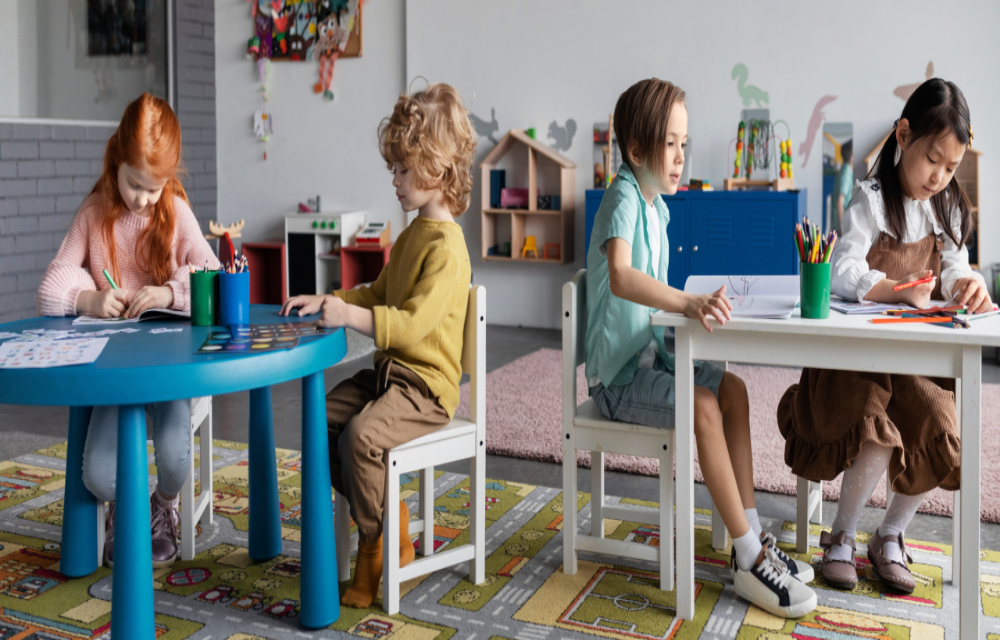
Provides Structure and Routine
- Strict lesson plans offer a clear and consistent framework that helps preschoolers feel secure and understand expectations.
- Structured routines support emotional well-being by creating predictability in daily activities.
- Lesson plans ensure that developmental goals related to cognitive, social, emotional, and physical growth are intentionally addressed.
- They help teachers organize resources, time, and activities efficiently.
- Clear plans aid in managing classroom transitions smoothly, reducing behavioral disruptions.
Encourages Flexibility and Responsiveness
- Strict adherence to plans can limit teachers’ ability to respond to children’s spontaneous interests and needs.
- Flexibility allows adaptation of activities based on real-time observations and children’s moods.
- Play-based learning benefits from teachers’ capacity to pivot and capitalize on teachable moments.
- Adjusting plans encourages creativity and curiosity in young learners.
- Balancing planning with responsiveness fosters a more engaging and child-centered environment.
Supports Individualized Learning
- Preschool classrooms are diverse; strict plans risk overlooking individual differences and pacing.
- Flexible lesson plans allow teachers to differentiate instruction based on children’s developmental stages.
- Tailoring learning experiences addresses varied learning styles and abilities.
- Individualized approaches promote inclusion and equal participation opportunities.
- Teachers can scaffold learning optimally when not rigidly bound to detailed plans.
Promotes Teacher Confidence and Professional Judgment
- Having a well-prepared lesson plan enhances teachers’ confidence and preparedness.
- However, overly strict plans may stifle teacher autonomy and professional creativity.
- Educators benefit from balancing guidelines with room for professional judgment.
- Flexibility encourages reflective teaching practices and continuous improvement.
- Empowered teachers can create more meaningful, responsive learning experiences.
Fosters Positive Child Engagement and Motivation
- Children are naturally curious; strict lesson plans can restrict exploration and engagement.
- Flexible approaches support sustained attention and motivation by aligning with children’s interests.
- Incorporating child-led activities increases ownership and enthusiasm for learning.
- Responsive teaching nurtures a joyful, playful learning atmosphere.
Engagement driven by adaptability leads to deeper and more lasting learning outcomes.