Government Regulatory Agencies
- National and local government bodies establish and enforce safety standards for early learning centers.
- They license and inspect centers to ensure compliance with health, fire, building, and environmental safety codes.
- Regulatory agencies set mandatory staff-child ratios and qualifications to promote supervision and care.
- They require proper emergency preparedness, including evacuation plans and fire drills.
- Governments audit centers regularly and can revoke licenses for safety violations.
Center Administration and Management
- Early learning center directors and managers are responsible for implementing safety policies and procedures.
- They ensure physical environments meet safety standards such as secure fencing, safe equipment, and hygienic conditions.
- Management organizes staff training on child safety, first aid, and emergency response.
- They maintain records of incidents, health checks, and safety drills for accountability.
- Administrators liaise with regulatory authorities for compliance and updates on safety regulations.
Early Childhood Educators and Staff
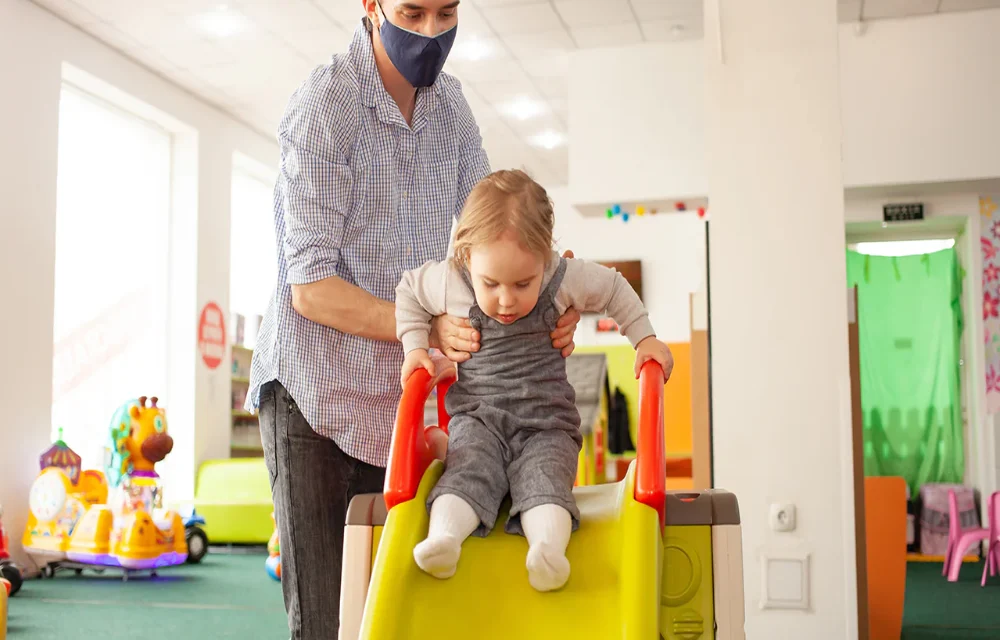
- Teachers and caregivers play a frontline role in supervising children and preventing accidents.
- They follow safety protocols in daily activities, including playground use, meal times, and transition periods.
- Staff monitor children’s health and promptly address injuries or illnesses.
- Educators create safe, age-appropriate learning environments with non-hazardous materials.
- They model safe behaviors and teach children about safety and hygiene routines.
Parents and Families
- Parents contribute by choosing licensed and reputable early learning centers.
- They provide accurate emergency contact information and inform staff about children’s health needs.
- Families reinforce safety practices at home, supporting consistent messages about well-being.
- Parent-teacher communication helps flag safety concerns and improvement areas.
- Engaged parents participate in center safety committees or activities to promote awareness.
Accreditation and Professional Organizations
- Independent bodies provide accreditation to centers meeting rigorous health, safety, and educational standards.
- Professional organizations offer training, resources, and best practice guidelines for child safety.
- They advocate for policy improvements and raise public awareness on safety in early childhood education.
- Accreditation signals a center’s commitment to exceeding minimum safety requirements.
- These organizations collaborate with governments and communities to enhance safety culture.