
Introduction
Self-expression is fundamental to the development of young learners, serving as a vital means through which children communicate their thoughts, emotions, ideas, and identity. Encouraging self-expression in early childhood supports emotional well-being, cognitive growth, creativity, and social skills. It nurtures the child’s ability to articulate their unique perspective and engage meaningfully with others and their environment. This introduction lays the foundation for understanding the multifaceted importance of self-expression and how it plays a critical role in holistic child development.
Emotional Development and Regulation
Self-expression provides children with essential tools for recognizing, understanding, and managing their emotions. When children can express feelings such as joy, frustration, or fear in constructive ways, they build emotional intelligence and resilience. Creativity through art, movement, or language acts as a safe outlet for complex emotions, promoting mental health. Expressing feelings reduces internal stress and helps children develop strategies to regulate emotions, leading to better social behaviors and fewer conflicts.
Building Self-Confidence and Identity
Through self-expression, children develop a strong sense of identity and self-worth. When children are encouraged to share their ideas and explorations freely, they feel valued and understood. This affirmation builds confidence, enabling children to take risks in learning, assert themselves, and trust their abilities. Self-expression also fosters a positive self-image, as children learn to appreciate their uniqueness and diversity. The ability to communicate authentically enriches their relationships and participation in learning communities.
Enhancing Cognitive and Creative Skills
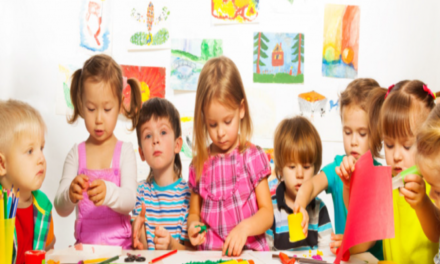
Self-expression is closely linked to the development of cognitive and creative competencies. Activities such as drawing, storytelling, role-playing, and building stimulate imagination, problem-solving, and symbolic thinking. Engaging in open-ended creative expression promotes divergent thinking, encouraging children to explore multiple solutions or viewpoints. This nurtures intellectual curiosity and critical thinking, essential for academic progress. The freedom to express ideas innovatively also fosters motivation and engagement in learning.
Communication and Language Development
Expressing oneself effectively is foundational for language acquisition and communication skills. Self-expression offers diverse modalities—verbal, nonverbal, artistic—that enrich vocabulary and narrative ability. Through conversations, storytelling, or dramatic play, children practice language structures and social communication norms. These experiences develop listening, speaking, and literacy skills integral for academic success. Self-expression encourages children to experiment with language, enhancing fluency and confidence.
Social Skills and Relationship Building
Self-expression supports social competence by facilitating cooperation, empathy, and conflict resolution. Children who express their needs, preferences, and ideas constructively also better understand and respect others’ perspectives. Sharing experiences and emotions through play and dialogue promotes connectedness and belonging. Educators fostering an environment that welcomes diverse expressions create inclusive spaces where children feel safe and valued, strengthening community and peer relationships.
Supporting Mental Health and Well-being
Self-expression contributes significantly to children’s mental health by allowing them to process experiences and express concerns. Children who can articulate their thoughts and feelings are less likely to internalize stress or feel isolated. Creative outlets such as music, dance, or visual arts serve as coping mechanisms and sources of joy. Cultivating self-expression boosts emotional resilience, reduces anxiety or frustration, and supports overall psychological well-being.
Role of Educators in Fostering Self-Expression
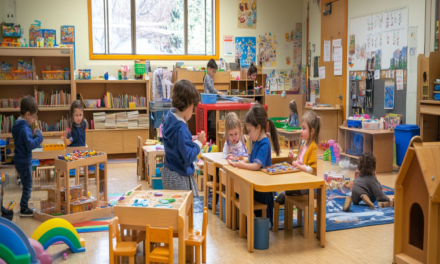
Educators play a vital role in creating supportive environments that encourage self-expression through inclusive practices, open communication, and varied creative opportunities. They model expressive behavior, listen actively, and provide materials that invite exploration without judgment or restriction. Recognizing individual differences in expression, educators tailor approaches to accommodate diverse communication styles and cultural backgrounds. By affirming self-expression, teachers empower children to develop autonomy and voice.
Inclusive and Multimodal Expression
Self-expression takes many forms—visual arts, music, movement, language, dress, play—each offering unique developmental benefits. Multimodal expression allows children with varying abilities and preferences to communicate effectively. For example, children with limited verbal skills may express themselves more fully through art or gestures. Inclusive environments that celebrate multiple expressions foster equity and respect. Such diversity enriches learning experiences and prepares children to navigate a complex, pluralistic world.
Conclusion
The importance of self-expression for young learners lies in its profound influence on emotional health, cognitive development, communication, social skills, and identity formation. Self-expression nurtures a child’s sense of worth, creativity, and ability to engage meaningfully with others and their surroundings. Educators who actively support diverse and authentic expressions contribute to holistic child development and inclusive education. Encouraging self-expression from early childhood lays the foundation for confident, resilient, and adaptive individuals prepared for lifelong learning and relationships.
Hashtags
#SelfExpression #EarlyChildhoodEducation #EmotionalDevelopment #CreativityInLearning #LanguageDevelopment #SocialSkills #ChildIdentity #EmotionalRegulation #CommunicationSkills #InclusiveEducation #MentalWellbeing #CreativePlay #EducatorRole #ExpressiveArts #ChildDevelopment #ConfidenceBuilding #PositiveSelfImage #DiverseLearning #ResilienceBuilding #PeerInteraction #ChildCenteredLearning #CulturalInclusion #MotivationToLearn #LearningEnvironment #HolisticDevelopment