

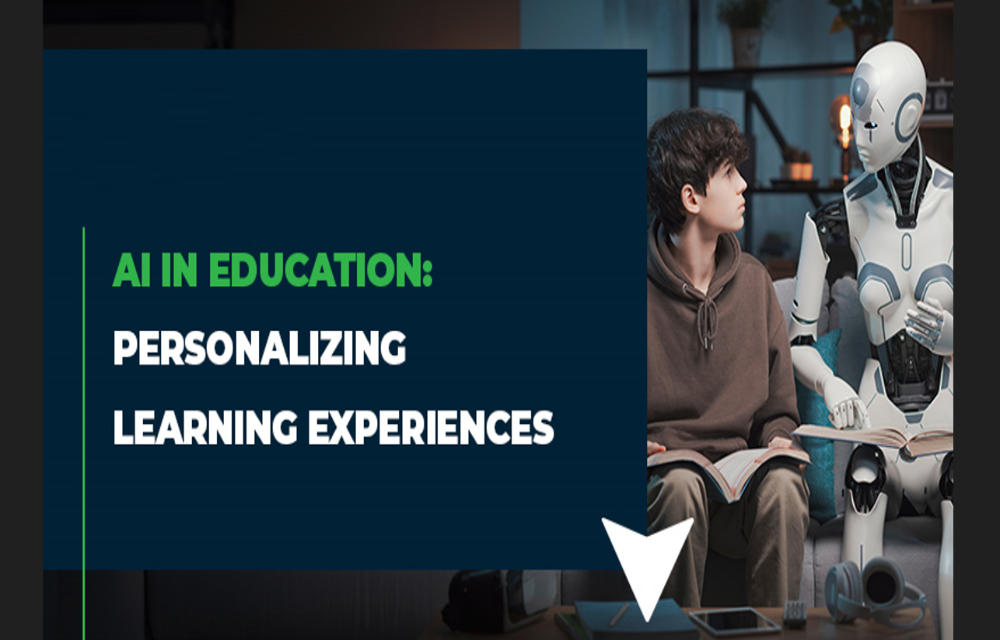
Artificial intelligence is increasingly personalizing early learning experiences, transforming the way young children engage with educational content. AI-powered tools analyze individual learning styles, paces, and preferences to adapt lessons and activities in real-time, ensuring that each child receives tailored instruction that meets their unique needs. This personalized approach helps optimize cognitive development by providing challenges that are neither too easy nor too difficult, thus keeping learners motivated and engaged. For example, apps like Osmo and Khan Academy Kids adjust tasks based on children’s responses, providing customized support that enhances learning outcomes.
AI also plays a significant role in language and speech development, using natural language processing to assist children in building vocabulary, pronunciation, and conversational skills. Tools like Google’s Read Along listen to children read aloud and offer gentle corrections, fostering confidence and literacy skills in an interactive and supportive environment. This individualized assistance is particularly beneficial for children with speech delays or those learning multiple languages, as AI can adapt to their specific developmental stages and provide continuous feedback without pressure.
Beyond supporting children directly, AI enhances educators’ ability to deliver quality early education by offering insights derived from real-time data. AI-driven platforms can monitor progress, identify areas where children struggle, and suggest interventions or curriculum adjustments. This reduces administrative burdens on teachers, allowing them to focus more on meaningful interactions with children. The technology can also propose personalized lesson plans and resources, promoting differentiated instruction and boosting overall classroom effectiveness.
Despite its transformative potential, the integration of AI in early learning raises important ethical considerations, including data privacy, equitable access, and the essential role of human educators. AI systems collect sensitive data to tailor experiences, making robust privacy protections imperative. Equally, not all children have equal access to technology, highlighting a need to bridge digital divides. Most importantly, AI is viewed as a complement—not a replacement—for empathetic, human-centered teaching. When used responsibly, AI offers exciting opportunities to create inclusive, personalized, and developmentally appropriate early learning environments that prepare children for lifelong success.