
Age-Appropriate Understanding
- Preschool children can grasp simple environmental concepts like caring for plants, animals, and not littering.
- They understand tangible actions such as recycling or turning off lights, relating these to their immediate experiences.
- Abstract environmental issues like climate change are too complex but can be introduced in simple narratives.
- Children’s natural curiosity makes them receptive to learning about nature and the impact of human actions.
- Learning is enhanced when concepts connect to their daily routines and surroundings.
Learning Through Hands-On Activities
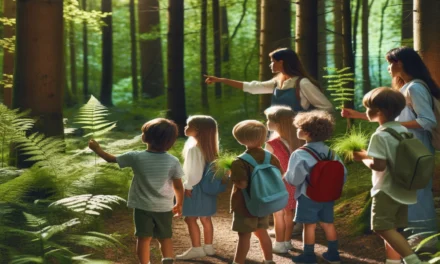
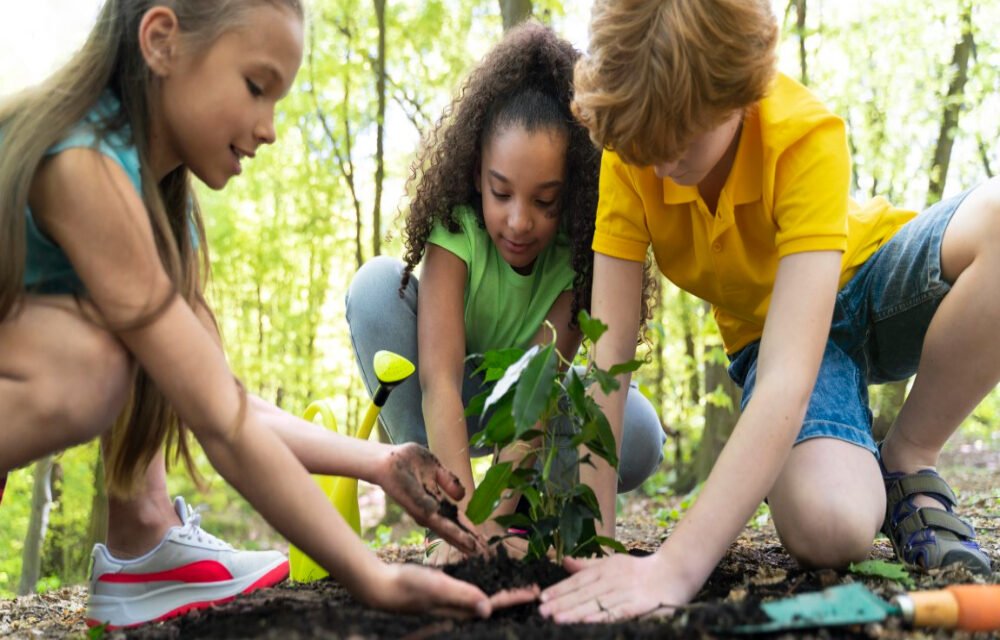
- Participatory activities like gardening, nature walks, and observing wildlife concretize environmental lessons.
- Engaging multiple senses during outdoor experiences deepens children’s connection with nature.
- Hands-on tasks help children practice sustainable habits like watering plants or sorting recyclables.
- Activities foster respect for living things and an understanding of environmental interdependence.
- Experiential learning becomes a foundation for lifelong environmental stewardship.
Role of Storytelling and Play
- Stories about animals, nature, and environmental heroes introduce ecological values in relatable ways.
- Pretend play and role-playing cultivate empathy and problem-solving regarding environmental care.
- Narratives simplify complex ideas and inspire responsibility in young minds.
- Play encourages exploration and experimentation with ecological concepts.
- Creative approaches make environmental learning engaging and memorable.
Influence of Adult Modeling and Reinforcement
- Parents and educators play a critical role by modeling eco-friendly behaviors at home and school.
- Reinforcing messages through consistent routines, praise, and discussion strengthens understanding.
- Adults guide children in recognizing the connection between their actions and environmental impact.
- Positive reinforcement motivates children to adopt sustainable practices willingly.
- Collaborative family and community efforts amplify environmental awareness.
Potential and Challenges in Environmental Awareness
- Preschoolers have the potential to develop pro-environmental attitudes and habits early.
- Studies show variability depending on home environment, education quality, and cultural context.
- Some children demonstrate limited awareness without targeted educational support.
- Early intervention programs can enhance environmental literacy and foster responsibility.
- Ongoing research and curriculum development improve methods to teach young children about the environment.