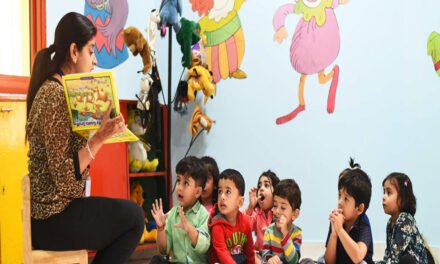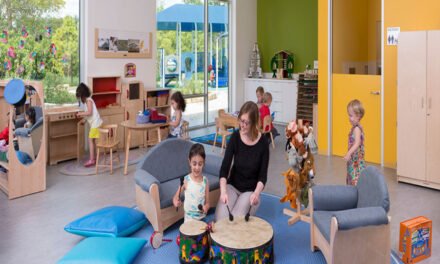


Sustainable practices have become a key focus in the design of modern preschools, reflecting a commitment to environmental stewardship and creating healthy, nurturing spaces for young learners. Many preschools now prioritize maximizing natural light and ventilation through architectural features like large windows, skylights, and open-air classrooms. These design elements reduce reliance on artificial lighting and mechanical cooling or heating, lowering energy consumption and creating a more comfortable, natural learning environment that supports children’s well-being.
Building materials are carefully chosen to ensure sustainability and non-toxicity, with a preference for low-emission, recycled, or renewable resources. For example, wood, natural plasters, and eco-friendly insulation are commonly used to minimize the ecological footprint while providing safe indoor air quality crucial for children’s health. Some centers incorporate green roofs and permeable landscaping to manage stormwater runoff and create habitat for local biodiversity, integrating nature into the learning environment and teaching children about sustainability firsthand.
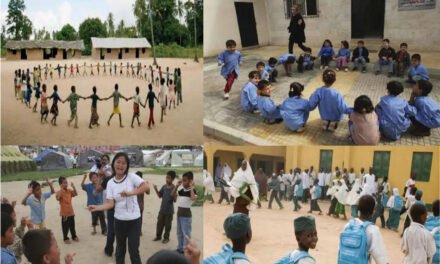
Outdoor play spaces receive special attention in sustainable preschool design, often resembling natural settings like forests or gardens rather than traditional asphalt playgrounds. These spaces encourage imaginative, unstructured play while fostering children’s connection to nature and environmental awareness. Many preschools use native plants and sustainable landscaping practices to create diverse habitats, offer sensory-rich experiences, and promote outdoor learning aligned with environmental education goals.
Energy efficiency is further enhanced through renewable energy sources like solar panels and geothermal systems, often paired with rainwater harvesting and waste reduction initiatives. Sustainable preschool design embraces circular economy principles, emphasizing durable, adaptable structures that minimize waste during construction and use. Overall, these practices not only reduce environmental impact but also provide enriching, healthy spaces that model sustainability for children from an early age, nurturing their development into responsible global citizens.