

Community-based education models have gained significant global recognition for their innovative approaches to addressing educational challenges, particularly in rural and marginalized regions. These models emphasize active involvement of the local community in the educational process, making learning more relevant, contextual, and accessible for children. By leveraging local knowledge, skills, and resources, community-based education often transforms entire villages into holistic learning environments where formal schools become a part of a broader ecosystem of learning, mentorship, and support.
One of the core strengths of community-based education lies in its ability to bridge gaps left by traditional educational systems, especially in areas with limited infrastructure or teacher shortages. For example, in rural India, community members such as farmers, artisans, and shopkeepers participate in teaching practical skills and real-world knowledge that complement formal curricula. This hands-on, experiential learning fosters better engagement and helps students connect academic concepts with their everyday lives. Mentorship from local elders and entrepreneurs also enriches the pedagogical experience, empowering children with both cultural heritage and entrepreneurial skills.
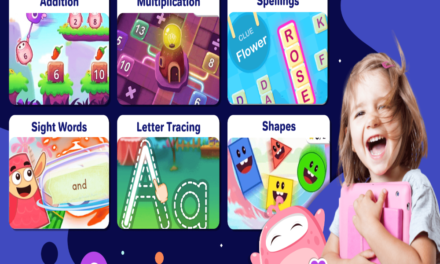
Digital technology integration further enhances the impact of community-based models, enabling access to quality educational content through mobile apps, online platforms, and hybrid learning methods. These approaches widen educational reach, marrying traditional knowledge with modern advancements to form flexible and adaptive learning environments. Community-driven digital initiatives have introduced tablets, e-learning centers, and mobile classrooms that cater to children in remote areas, ensuring that digital divides do not translate into educational divides.
The sustainability and scalability of community-based education models have drawn attention from global development organizations, which recognize their potential to address systemic educational inequities. By fostering local ownership and mobilizing diverse stakeholders—including families, local governments, non-profits, and educators—these models provide frameworks that are culturally sensitive, cost-effective, and resilient. As a result, community-based education continues to inspire policy innovations and partnerships worldwide, positioning it as a vital strategy in achieving universal quality education and lifelong learning for all children.