
Introduction
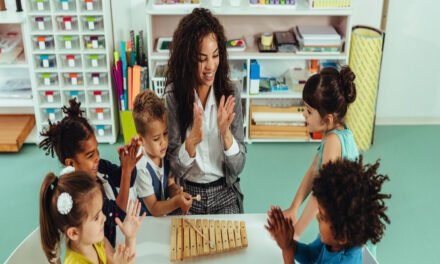
Educators play a fundamental role in promoting moral behavior in children, particularly during the formative years of early childhood education. Moral development during this period shapes children’s understanding of right and wrong, empathy, responsibility, and social interaction skills that influence their character and future decision-making. Teachers guide, model, and create environments conducive to ethical growth, integrating moral education seamlessly into daily routines and learning activities. This essay explores the multifaceted approaches educators employ to nurture moral behavior, emphasizing their critical responsibility in fostering virtuous, responsible, and compassionate individuals.
Modeling Moral Behavior
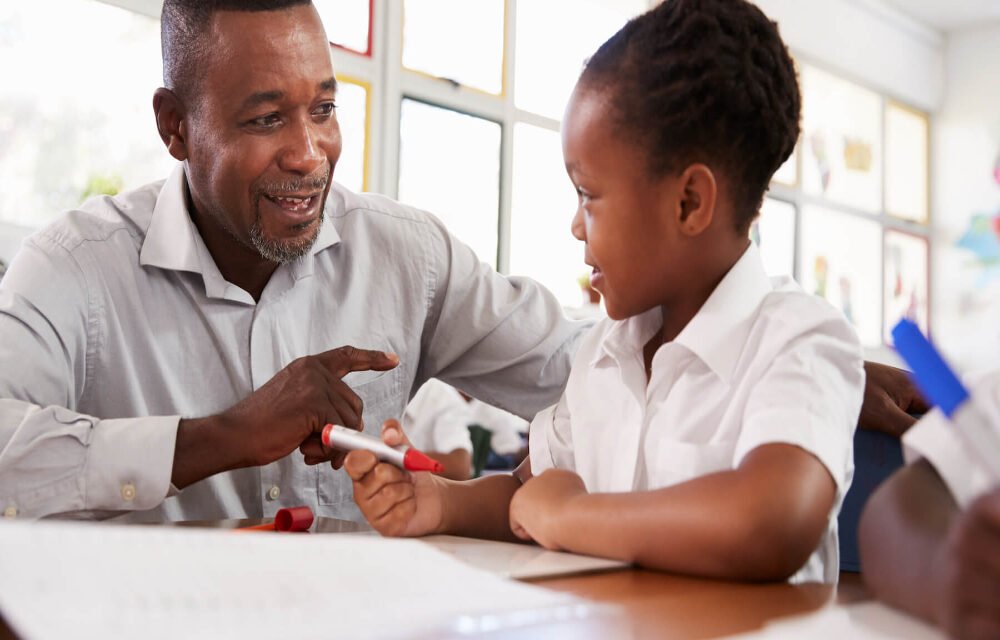
One of the most influential ways educators promote moral behavior is through modeling. Children learn significantly by observing adult behavior, so teachers act as living examples of values such as honesty, respect, kindness, and fairness. When educators consistently treat others with empathy and integrity, children internalize these behaviors as social norms. Modeling includes not only verbal communication but nonverbal actions—patience in challenging situations, fairness in dealing with conflicts, and inclusivity in peer interactions. This authentic demonstration of moral conduct solidifies the connection between taught values and real-world application.
Creating a Positive and Respectful Classroom Environment
Educators establish positive classroom cultures that encourage respect, cooperation, and shared responsibility. By consistently reinforcing positive behavior and clear behavioral expectations, teachers create an inclusive space where children feel safe and valued. Respectful environments reduce negative behaviors and encourage children to support one another. Strategies include praise and recognition for prosocial actions, collaborative problem-solving, restorative conflict resolution, and routines that foster mutual respect. Such environments nurture moral reasoning and social responsibility in everyday interactions.
Explicit Teaching of Moral Values
While modeling and environment are vital, explicit instruction on moral concepts ensures children understand abstract values. Educators design age-appropriate lessons and activities focused on values like honesty, fairness, sharing, and gratitude. Storytelling, puppetry, and moral dilemmas invite children to explore ethical issues and consequences in safe contexts. Discussions and reflective questioning challenge children to think critically about right and wrong and consider others’ feelings. This deliberate teaching complements experiential learning and grounds children’s developing conscience.
Using Play-Based and Experiential Activities
Play offers powerful opportunities to build moral understanding organically. Through role play, cooperative games, and group projects, children practice negotiation, fairness, empathy, and rule-following. Educators facilitate these activities by setting scenarios that promote moral thinking, encouraging reflection, and guiding children in expressing feelings and resolving conflicts. Play bridges cognitive insight and emotional experience, helping children embody moral values beyond theoretical knowledge. Experiential activities internalize moral lessons through personal engagement.
Encouraging Empathy and Emotional Literacy
Empathy is fundamental to moral behavior, and educators nurture it by helping children recognize and express emotions in themselves and others. Activities that explore feelings, perspectives, and kindness strengthen emotional literacy and relatedness. Teachers use stories, discussions, and social-emotional learning frameworks to foster understanding and compassion. Empathetic children develop self-regulation and pro-social behaviors, essential for ethical interpersonal relationships. Educators support these developments by validating emotions and demonstrating caring communication.
Fostering Responsibility and Accountability
Promoting moral behavior requires teaching children about responsibility and accountability for their actions. Educators provide opportunities for children to contribute to the classroom community, such as helping peers, tidying up, or leading activities. Clear expectations regarding consequences and consistent follow-through reinforce accountability. When children understand the impact of their behavior on others and the environment, they develop a sense of ownership and ethical decision-making. Positive reinforcement of responsible actions motivates continued moral development.
Promoting Inclusive and Just Practices
Educators infuse principles of justice, fairness, and inclusion into moral education. They address issues of diversity, equity, and social justice explicitly or through integrated curricula, helping children appreciate differences and stand against unfairness. Discussions about fairness in sharing, respecting varying abilities and cultures, and standing up against exclusion cultivate a sense of social justice. Inclusive classrooms model democratic values and prepare children to be conscientious citizens committed to equality and respect for all.
Collaborating with Families and Communities
Educators recognize that moral development is a shared responsibility involving families and communities. They communicate regularly with parents about children’s social and moral growth and encourage value reinforcement at home. Workshops, family activities, and community involvement extend moral learning beyond the classroom. Collaborative partnerships build consistent messages about ethics, broaden children’s social experiences, and strengthen the foundation for lifelong moral competence.
Conclusion
Educators promote moral behavior through a combination of modeling, creating positive environments, explicit teaching, and experiential learning. They nurture empathy, responsibility, and justice while fostering inclusive classrooms and strong community partnerships. The multifaceted approach ensures children develop a well-rounded moral compass, guiding their social interactions and personal growth. Through their intentional actions, educators build the character foundations critical for children’s success as compassionate and ethical individuals in society.
Hashtags
#MoralDevelopment #EarlyChildhoodEducation #CharacterBuilding #Empathy #Responsibility #EthicalTeaching #PositiveClassroom #SocialEmotionalLearning #InclusiveEducation #TeacherModeling #MoralValues #PlayBasedLearning #ConflictResolution #FamilyEngagement #CivicEducation #Fairness #Accountability #Respect #Kindness #EmotionalLiteracy #ReflectiveTeaching #RestorativePractices #CollaborativeLearning #ChildDevelopment #LifelongLearning #EducationForValues