
Introduction
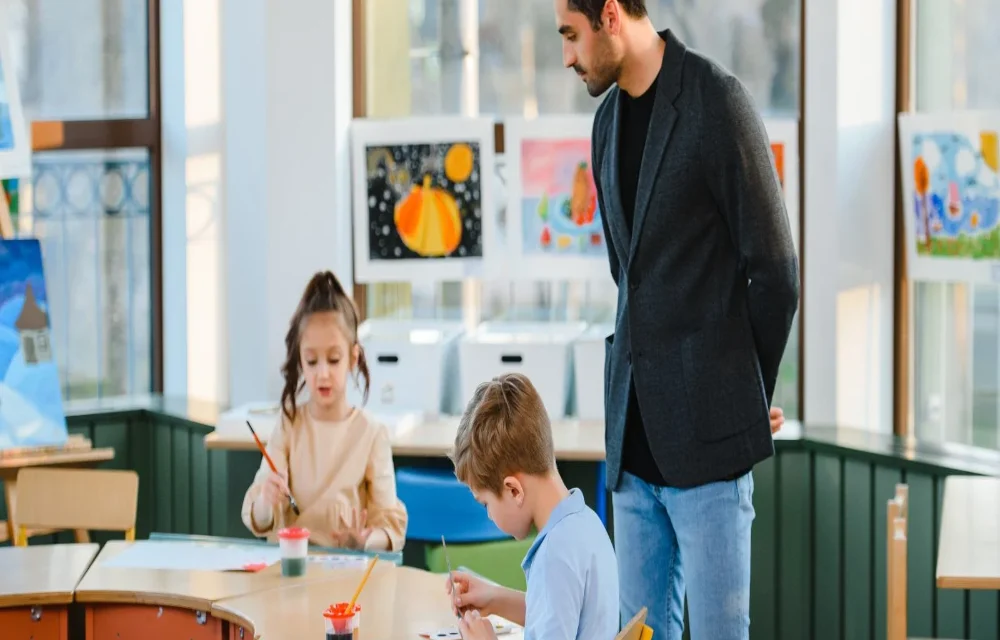
Observation and documentation are fundamental tools in early childhood education used to understand and support children’s progress and development. These processes go beyond mere monitoring; they enable educators to capture rich, contextual insights into children’s learning, behavior, social interactions, and emotional growth. Observation involves watching children closely and systematically in natural settings, while documentation records and organizes these observations for reflection and planning. Together, these tools help create an individualized, responsive learning environment aligned with each child’s unique development. Properly implemented, observation and documentation empower educators to make informed decisions, engage families, and enhance educational outcomes.
Purpose and Importance of Observation
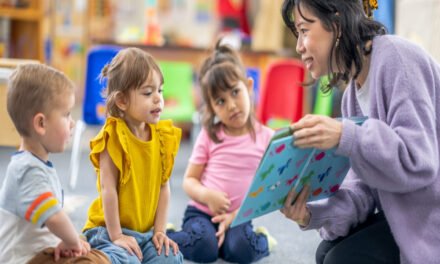
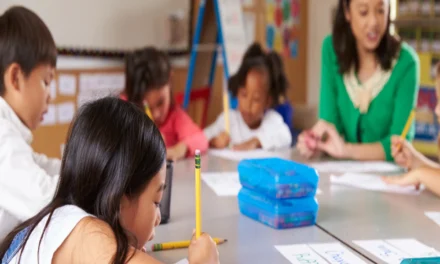
Observation allows educators to collect authentic evidence of children’s skills, interests, and developmental milestones in real-time. Unlike standardized tests, observation captures spontaneous, meaningful behaviors and interactions within natural contexts such as play or daily routines. It provides a window into children’s thinking processes and social-emotional states that may not be evident through formal assessments. Observing children continuously guides educators in recognizing developmental strengths and areas needing support. It also supports differentiation, ensuring each child’s learning experiences are tailored to their abilities and needs.
Types of Observation Methods
Several observation methods are employed in early childhood education to capture varying degrees of detail and context. Anecdotal records provide brief, narrative descriptions of specific incidents focusing on significant behaviors or interactions. Running records document continuous real-time accounts of a child’s actions during a set period, offering detailed insights. Time sampling records behavior at predetermined intervals, highlighting patterns and frequency. Event sampling focuses on specific events or behaviors when they occur. Video and photographic documentation provide visual evidence, facilitating reflection and communication with families. Utilizing diverse methods enriches understanding and supports comprehensive developmental assessment.
Documentation: Making Learning Visible
Documentation organizes observations into tangible records that track a child’s progress over time. This includes written notes, audio-visual materials, work samples, and portfolios that collectively illustrate learning journeys and developmental milestones. Well-structured documentation makes children’s learning visible to educators, families, and stakeholders, fostering transparent communication and collaborative planning. Portfolios enable children themselves to revisit and reflect on their experiences, nurturing metacognition and pride in accomplishments. Digital tools and apps increasingly streamline documentation, making it more accessible and dynamic.
Guiding Curriculum and Instruction
Observation and documentation are integral to formative assessment processes that directly inform curriculum design and instructional strategies. By analyzing gathered data, educators can identify emerging skills, interests, and developmental challenges, adapting learning activities accordingly. This targeted planning supports differentiation and ensures that experiences remain developmentally appropriate, relevant, and engaging. Observation data promote reflective teaching practices where educators evaluate their effectiveness and creatively respond to children’s evolving needs. Thus, these processes contribute directly to optimizing learning environments and outcomes.
Family Engagement and Communication
Observation and documentation serve as critical bridges between early learning programs and families. Detailed records and evidence of children’s progress provide families with concrete information about their child’s growth, strengths, and areas for support. Sharing observations through portfolios, conferences, and digital communications fosters meaningful dialogue that empowers parents as partners in education. This collaborative approach enhances consistency between home and school environments and ensures a shared commitment to children’s development. Family engagement based on clear, authentic documentation builds trust and enriches overall support systems.
Supporting Individualized and Inclusive Practices
Through continuous observation and detailed documentation, educators can better understand each child’s unique background, learning style, and developmental trajectory. This understanding is essential for implementing individualized education plans and inclusive pedagogies that respect diversity and provide equitable opportunities. Observation helps identify children with additional needs early, enabling timely interventions and accommodations. Documentation offers a framework to monitor progress and adjust strategies, ensuring that all children receive tailored support that maximizes their potential. It promotes inclusivity and reduces the risk of overlooking or misinterpreting children’s behaviors.
Challenges and Ethical Considerations
While observation and documentation are powerful tools, they require ethical and practical considerations. Educators must maintain confidentiality, obtain informed consent from families, and use observations solely to support learning and development. Bias in observation can affect accuracy; thus, teachers should use objective language, multiple sources of evidence, and peer collaboration to validate interpretations. Time constraints and workloads may challenge thorough documentation, emphasizing the need for efficient systems and professional development. Balancing rigor with the natural flow of classroom activities ensures that these practices remain child-centered and non-disruptive.
Conclusion
Observation and documentation are essential, complementary practices that provide deep insights into children’s development and learning in early childhood education settings. By capturing authentic behaviors and organizing these experiences thoughtfully, educators inform responsive teaching, support individualized learning, and engage families effectively. These processes underpin formative assessment, curriculum planning, and inclusive practices that maximize developmental outcomes. Ethical and reflective use of observation and documentation fosters transparent, collaborative partnerships and enriches the quality of early learning experiences, setting the stage for children’s future success.
Hashtags
#ObservationInEducation #ChildDevelopment #EarlyChildhoodAssessment #DocumentationInECE #FormativeAssessment #IndividualizedLearning #FamilyEngagement #InclusiveEducation #LearningPortfolios #AuthenticAssessment #EarlyLearning #ReflectiveTeaching #DevelopmentalMilestones #EducationalPlanning #TeacherStrategies #CommunicationWithFamilies #LearningJourney #ChildCenteredTeaching #AssessmentTools #ClassroomPractice #HolisticDevelopment #EducationalEquity #LearningDocumentation #ProfessionalDevelopment #DigitalAssessment #EarlyYearsEducation