
Introduction
Creating a child-friendly learning atmosphere is central to fostering effective early childhood education. Such an environment promotes children’s sense of safety, belonging, curiosity, and engagement, which are essential ingredients for holistic development. A child-friendly atmosphere acknowledges and respects children’s unique needs, interests, and capabilities, creating a space where they can explore, learn, socialize, and express themselves comfortably. This essay discusses essential components and strategies educators and caregivers can adopt to design and maintain nurturing, stimulating, and inclusive learning atmospheres that prioritize children’s well-being and learning.
Physical Environment and Safety
The foundation of a child-friendly learning atmosphere begins with a safe and accessible physical environment. Classrooms should be free from hazards with child-sized, sturdy furniture featuring rounded edges and non-toxic materials. Proper lighting, ventilation, and cleanliness contribute to a healthy space. Incorporating natural elements like plants and sunlight enhances well-being and focus, while clear organization of learning materials encourages independence. Safety extends beyond physical factors to include clear rules and supervision, ensuring children feel secure to explore without fear of harm.
Welcoming, Engaging, and Stimulating Design
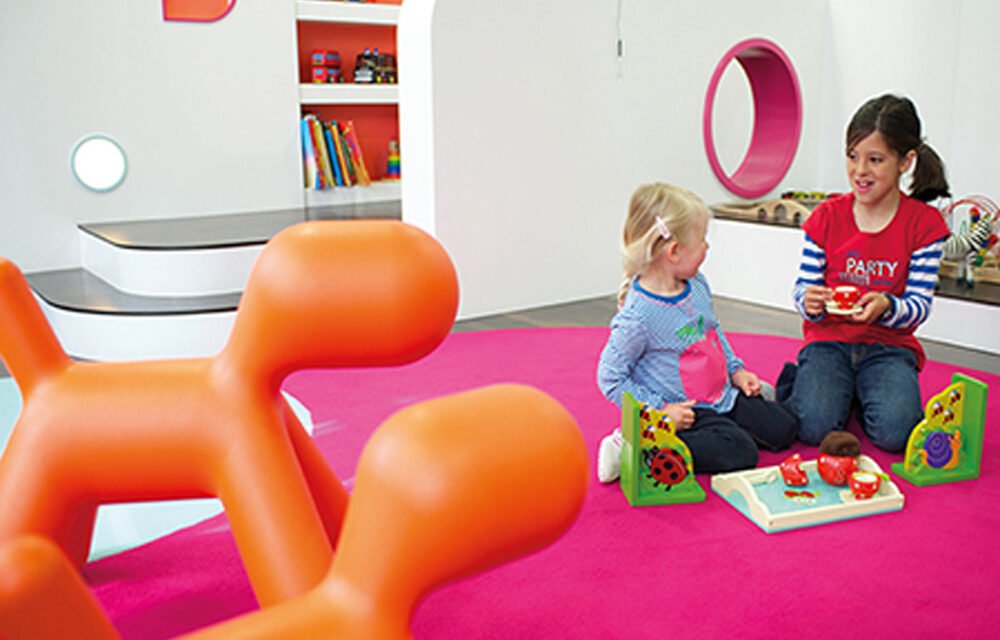
Aesthetics and classroom design significantly impact children’s emotional and cognitive engagement. Child-friendly classrooms feature vibrant colors, interactive displays, diverse materials, and inviting textures that stimulate sensory experiences and creativity. Defined learning areas and interest centers, such as reading corners, art stations, block play, and dramatic play, offer varied choices catering to different developmental domains and learning styles. The ability to move freely between spaces supports autonomy and sustained attention. Thoughtful display of children’s work fosters pride and identity, reinforcing their role as active learners.
Inclusive and Culturally Responsive Atmosphere
Creating an inclusive environment means recognizing and celebrating diverse cultural backgrounds, languages, abilities, and family structures within the classroom. Materials, books, and images reflecting this diversity promote social awareness and respect among children. Accessibility considerations ensure that children with special educational needs can participate fully. Educators model inclusive attitudes and facilitate cooperative play to cultivate empathy and appreciation. An atmosphere where every child feels valued, understood, and represented lays the groundwork for positive social development and a sense of belonging.
Nurturing Positive Relationships and Emotional Support
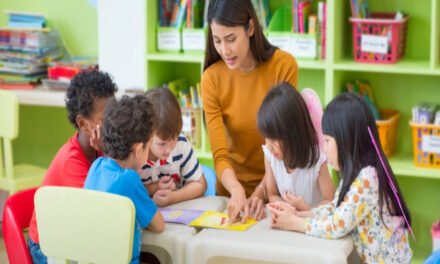
A child-friendly atmosphere is critically shaped by positive, responsive relationships between educators and children. Warm, consistent interactions build trust and emotional security, encouraging children to take risks and engage deeply with learning. Educators support emotional regulation through calm, patient guidance and create cozy spaces where children can retreat for comfort or reflection. Encouraging peer relationships through cooperative activities nurtures social skills, respect, and empathy. Emotional well-being in such environments enhances concentration, motivation, and resilience.
Facilitating Active and Experiential Learning
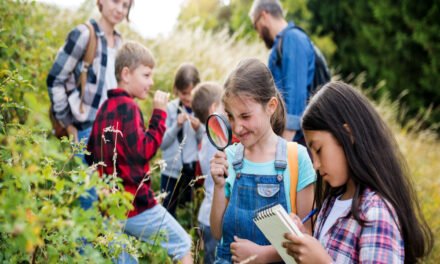
An atmosphere that promotes hands-on, play-based, and inquiry-oriented learning engages children’s natural curiosity and creativity. Child-friendly spaces incorporate diverse, developmentally appropriate materials that invite experimentation and exploration. Educators design open-ended activities that stimulate problem-solving, critical thinking, and collaboration. Flexibility in routines and the freedom to make choices empower children as active participants in their learning journeys, fostering independence and enthusiasm. Active learning atmospheres adapt to children’s evolving interests and developmental levels.
Encouraging Communication and Language Development
Supporting communication is vital in a child-friendly learning atmosphere. Classrooms are rich in language prompts including storytelling corners, labeled materials, song, and conversation opportunities. Educators foster expressive and receptive language skills through responsive dialogue, questioning, and language-rich interactions. Visual supports such as schedules, cues, and vocabulary charts aid comprehension and independence. Language development is nurtured not only through explicit instruction but also through social interactions embedded in daily activities, strengthening children’s confidence and collaborative capacity.
Engaging Families and Communities
Child-friendly learning environments extend beyond the physical classroom to include meaningful partnerships with families and communities. Inviting family involvement, respecting cultural practices, and maintaining open communication create a shared commitment to children’s growth. Community resources and cultural events enrich learning experiences and support diverse identities. This holistic ecosystem nurtures consistent values, security, and learning continuity. Educators who collaborate actively with families foster a supportive atmosphere that reinforces children’s sense of trust and belonging.
Flexible and Adaptive Approaches
Recognizing the diversity and uniqueness of each child, a child-friendly atmosphere embraces flexibility and responsiveness. Educators continuously observe, assess, and adapt environments and strategies to meet individual needs and preferences. Flexible scheduling, personalized learning options, and adaptive support ensure inclusivity and differentiation. Such adaptability promotes equity and maximizes engagement, preparing children to thrive academically and socially. Flexibility also encourages creativity and problem-solving among both children and educators, enriching the collective learning experience.
Conclusion
Creating a child-friendly learning atmosphere entails thoughtful design of safe, stimulating, inclusive, and supportive environments that respect and nurture every child’s individuality. By integrating positive relationships, active learning, communication support, family engagement, and flexibility, educators foster holistic development and joyful learning. These environments lay the foundation for confident, capable lifelong learners who feel valued and inspired. Intentional efforts to maintain child-friendly spaces promote equity, well-being, and academic success, underscoring the profound impact of nurturing atmospheres on early childhood education.
Hashtags
#ChildFriendlyClassroom #EarlyChildhoodEducation #InclusiveLearning #SafeLearningEnvironment #PositiveRelationships #PlayBasedLearning #HolisticDevelopment #CulturalResponsiveness #FamilyEngagement #ActiveLearning #LanguageDevelopment #FlexibleLearning #EmotionalSupport #LearningCenters #ChildDevelopment #MotivationToLearn #EmpathyBuilding #CollaborativeLearning #LearningEnvironment #EarlyLiteracy #SocialSkills #CreativityInEducation #SensoryLearning #StudentCentered #EarlyEducationSuccess