
Introduction
The home environment significantly impacts a child’s behavior and overall development, serving as the earliest context in which children learn social norms, coping mechanisms, and emotional regulation. From birth, children absorb cues, experiences, and values communicated through their homes, shaping their attitudes, responses, and personalities. A supportive, nurturing, and stimulating home setting fosters positive behavior, learning readiness, and socio-emotional well-being, while adverse environments may contribute to behavioral challenges and developmental delays. Understanding the multifaceted influences of the home environment on child behavior enables caregivers, educators, and policymakers to create interventions and supports that promote healthy growth and resilience.
The Physical Environment and Behavior
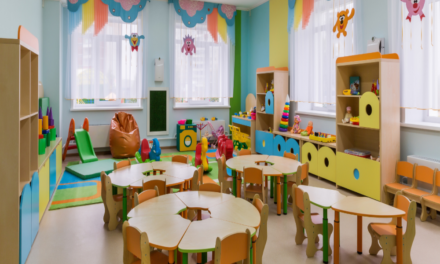
The physical conditions of the home, including cleanliness, space, noise levels, and safety, affect children’s behavior and emotional regulation. Research indicates that cluttered, noisy, or unsafe living conditions contribute to increased stress, irritability, and difficulty concentrating among children. A calm, orderly environment provides predictability and security, enabling children to develop self-discipline and focus on exploration and learning. Physical space that allows for movement, play, and quiet time supports balanced activity levels and reduces behavioral disruptions. Ensuring homes are safe, hygienic, and well-organized sets the stage for children’s positive behavioral development.
Emotional Climate and Attachment
The emotional climate of the home, marked by warmth, responsiveness, and secure attachment between children and caregivers, profoundly influences behavior. Consistently sensitive and empathetic caregiving helps children feel valued and understood, fostering confidence and emotional stability. Secure attachment relationships promote trust, enabling children to explore their environment with assurance while effectively managing stress and frustration. Conversely, homes characterized by neglect, harsh discipline, or conflict can lead to anxiety, aggression, or withdrawal in children. Emotional support at home equips children with the tools to navigate social situations and regulate their own behavior constructively.
Parental Responsiveness and Behavior Modeling
Parents and caregivers serve as primary behavior models, and their interactions directly shape children’s social and emotional development. Responsive parenting, characterized by attentive listening, positive reinforcement, and appropriate limits, encourages prosocial behavior and cooperation. Children learn what is acceptable through observation of parental conflict resolution, emotional expression, and communication styles. Conversely, inconsistent or punitive parenting may foster oppositional or disruptive behaviors. When parents exhibit patience, respect, and warmth, children are more likely to mirror these traits in their conduct. Thus, parental responsiveness and modeling are central to the formation of children’s behavioral patterns.
Home Learning Environment and Cognitive Behavior
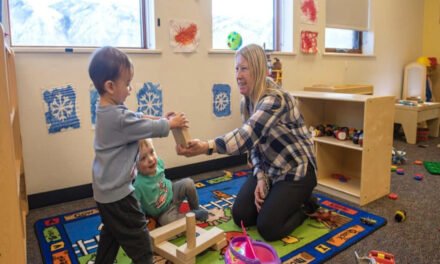
The availability of stimulating materials such as books, toys, and educational resources within the home significantly contributes to cognitive development and positive engagement behaviors. A rich learning environment encourages curiosity, problem-solving, and sustained attention, reducing boredom and frustration-driven negative behaviors. Parents who actively participate in their children’s learning by reading, playing, and discussing foster intrinsic motivation, self-regulation, and adaptive behavior. Such environments promote behaviors conducive to academic readiness and social competence. Accordingly, providing an enriched home learning environment supports both cognitive growth and positive behavioral outcomes.
Socioeconomic Factors and Stress
Socioeconomic conditions heavily influence the home environment and, consequently, child behavior. Families facing economic hardship may experience overcrowding, food insecurity, parental stress, and limited access to enriching experiences, each of which negatively impacts children’s behavior. Chronic stress within the family can lead to heightened behavioral problems such as anxiety, aggression, and attention difficulties. Conversely, stable and resource-adequate homes provide children with security, consistency, and opportunities that promote positive behavior. Understanding the role of socioeconomic factors urges the development of community supports and policy interventions to alleviate disparities affecting child development.
Family Mental Health and Its Impact
The mental health of caregivers within the home critically affects child behavior. Parental depression, anxiety, or substance abuse can impair caregiving quality, emotional availability, and patience, often resulting in children exhibiting behavioral and emotional problems. Conversely, caregivers with good mental health are better able to provide a nurturing, consistent, and supportive atmosphere that fosters positive behavior. Early identification of parental mental health issues and accessible interventions can mitigate adverse effects, promoting healthier family dynamics and improved child outcomes. Prioritizing family mental health is thus essential in supporting beneficial behavioral development.
Cultural and Social Norms in the Home
The cultural context and social norms upheld within the home influence behavioral expectations, communication styles, and disciplinary approaches. Different cultures emphasize varying values such as individualism versus collectivism or respect for authority versus independence, shaping children’s social behavior and responses. Understanding cultural influences helps educators and caregivers interpret behavior within appropriate contexts and create respectful, inclusive environments. Children learn socially accepted behaviors and social roles at home, laying the foundation for their interactions in broader social settings. Embracing cultural diversity within home environments enriches children’s social understanding and behavioral adaptability.
Parental Involvement and Communication
Effective parental involvement, characterized by open communication and partnership with educators, supports consistent behavioral expectations and positive reinforcement across home and school. When parents engage actively in their children’s education and social-emotional development, children benefit from coherent guidance and support. This continuity promotes self-regulation, responsibility, and prosocial behaviors. Communication between parents and teachers allows for early identification of behavioral challenges and collaborative problem-solving. Strengthening these partnerships enhances the overall environment influencing child behavior, ensuring consistency and stability that children thrive upon.
Conclusion
The home environment deeply shapes child behavior through its physical conditions, emotional climate, parental responsiveness, learning resources, and broader socioeconomic and cultural contexts. A nurturing, safe, and stimulating home fosters positive behavioral development and equips children with essential social, emotional, and cognitive skills. Conversely, adverse home environments may contribute to behavioral difficulties and developmental delays. Addressing factors such as family mental health, cultural influences, socioeconomic supports, and parental involvement creates a holistic framework for promoting healthy behaviors. Recognizing the central role of the home in shaping child behavior underscores the need for supportive interventions and partnerships to optimize developmental outcomes.
Hashtags
#HomeEnvironment #ChildBehavior #EarlyChildhoodDevelopment #ParentalResponsiveness #EmotionalClimate #FamilyMentalHealth #SocioeconomicFactors #CognitiveDevelopment #PositiveBehavior #CulturalInfluences #Parenting #EarlyLearning #ChildWellbeing #SupportiveHomes #BehaviorModeling #FamilyEngagement #HomeLearning #StressAndBehavior #EarlyIntervention #ParentTeacherPartnership #SafeHome #NurturingEnvironment #ChildDevelopment #InclusiveEducation #BehavioralOutcomes