
Introduction
Safety and hygiene are fundamental pillars of quality care and education in early learning centers. These elements ensure that young children are protected from harm while fostering an environment conducive to healthy growth, learning, and well-being. Since early childhood is a critical period of development, the physical environment and practices within learning centers must prioritize the children’s safety, health, and comfort at all times. Adequate safety measures minimize the risk of accidents, injuries, and emergencies, while rigorous hygiene protocols protect children from infections and illness. Together, safety and hygiene create a foundation of trust and security for children, families, and educators, enhancing the overall effectiveness of early education programs.
Physical Safety and Injury Prevention
One of the most visible concerns in early learning centers is ensuring children’s physical safety. Classrooms, playgrounds, and all facilities must be free from hazards such as sharp edges, unstable furniture, electrical dangers, or toxic substances. Child-friendly infrastructure includes furniture scaled to children’s sizes, protective padding on corners, and covers for electrical outlets. Play equipment in outdoor areas must be age-appropriate, well-maintained, and surrounded by impact-absorbing surfaces like rubber mats or sand. Safety barriers, gates, and secure entry systems prevent unauthorized access and keep children within safe confines. Additionally, active supervision by trained staff is essential to anticipate risky behaviors and intervene promptly. Comprehensive safety protocols reduce accidents and provide a secure environment where children feel free to explore and learn.
Hygiene Practices to Prevent Illness
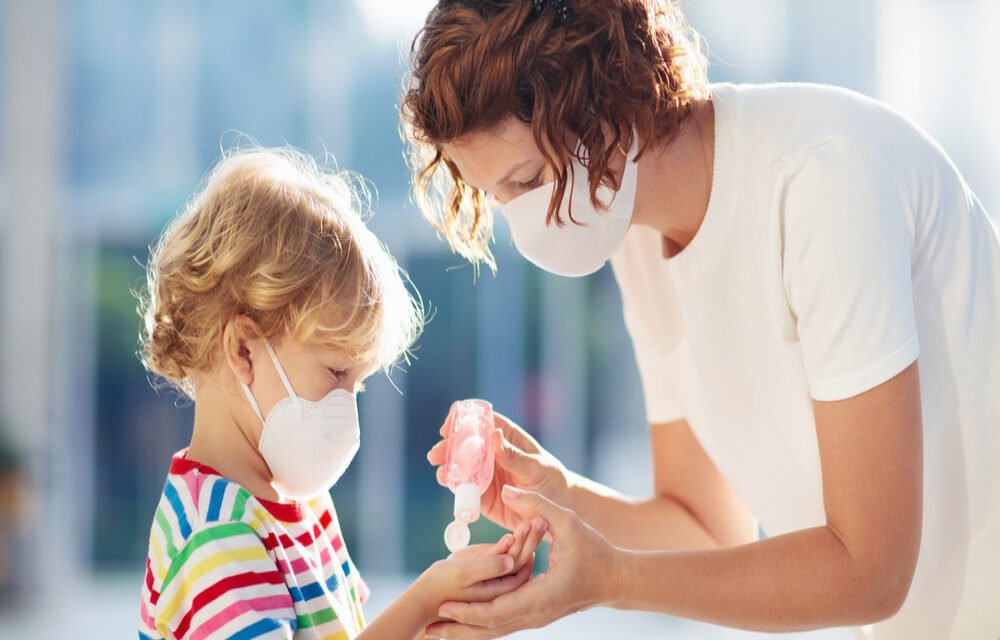
Maintaining high standards of hygiene is vital to minimize the spread of infectious diseases in group settings such as preschools. Children are naturally curious and often come into contact with surfaces and objects that may carry germs. Effective hygiene practices encompass regular cleaning and disinfection of classrooms, toys, restrooms, and eating areas. Handwashing routines are fundamental; teaching children to wash their hands properly before meals, after restroom use, and following outdoor play significantly reduces the transmission of pathogens. Facilities must provide accessible sinks with soap, clean towels, and child-friendly dispensers. Food handling within centers must also adhere to strict safety standards to prevent contamination. Promoting hygienic behaviors forms lifelong habits that protect children’s health beyond the preschool years.
Emergency Preparedness and Response
Early learning centers must be well-prepared for emergencies to protect children swiftly and effectively. This includes having clear evacuation plans, regular fire and lockdown drills, accessible first aid kits, and staff trained in pediatric first aid and CPR. Emergency procedures should be practiced and reviewed regularly with all staff and children in an age-appropriate manner. Communication systems must be in place to alert emergency services and parents promptly. In addition, centers should have protocols to manage allergic reactions, injuries, or illnesses that occur during operating hours. Thorough emergency preparedness builds resilience within the community and reassures parents that their children are in capable hands.
Healthy Environment and Air Quality
A safe and hygienic learning environment extends to the classroom atmosphere, including proper ventilation, temperature control, and reduction of allergens. Good air quality reduces respiratory issues and creates a comfortable space for active learning. Natural light and fresh air contribute to children’s well-being and attention levels. Regular maintenance of heating and cooling systems ensures consistent comfort. Centers should avoid the use of harmful chemicals in cleaning products and furnishings, opting for non-toxic, child-safe alternatives. The overall environmental health of the center supports the physical and emotional welfare of children and staff alike.
Nutrition and Food Safety
Providing safe, nutritious meals and snacks is a critical component of health and hygiene in early learning settings. Food preparation areas must adhere to strict hygiene standards, with proper storage, temperature control, and cleanliness to prevent foodborne illnesses. Menus should offer balanced, age-appropriate meals that support children’s growth and dietary needs. Special dietary requirements and allergies require clear documentation and careful management to avoid risks. Educators play a role in encouraging healthy eating habits and educating children about nutrition. Safe and nutritious food provision contributes significantly to children’s overall health, energy, and capacity to learn.
Emotional Safety and Psychological Well-being
Safety and hygiene also encompass emotional and psychological dimensions. Children thrive in environments where they feel secure, respected, and supported. Policies and practices that prevent bullying, harassment, and discrimination create emotionally safe spaces. Staff should be trained to recognize signs of distress or trauma and provide empathetic support. Consistent routines and clear expectations help children feel secure, reducing anxiety and behavioral challenges. Emotional safety promotes positive self-esteem, social competence, and engagement in learning. When children feel emotionally safe, their capacity to explore and absorb new experiences increases significantly.
Staff Training and Continuous Improvement
The effectiveness of safety and hygiene measures depends on well-trained, knowledgeable staff. Educators and caregivers must receive initial and ongoing training in safety protocols, hygienic practices, child supervision, and emergency response. Training enhances their ability to implement preventive measures, identify potential hazards, and respond confidently to incidents. Regular audits, risk assessments, and quality assurance processes help maintain high safety and hygiene standards. Collaboration with health professionals and adherence to regulations ensure the center remains compliant and proactive. Investing in staff competence fosters a culture of safety that permeates every aspect of the learning environment.
Building Trust with Families and Communities
Safety and hygiene measures build trust and confidence among families, a critical factor in early childhood education. When parents see that a center prioritizes rigorous safety standards and maintains hygienic conditions, they feel reassured about their child’s well-being. Transparent communication regarding protocols, policies, and incidents fosters partnership and cooperative engagement. Communities benefit from early learning centers that serve as models of health and safety, promoting public awareness and standards. The trust established through attention to safety and hygiene supports children’s consistent attendance and enthusiastic participation in learning.
Conclusion
Safety and hygiene form the foundation of effective, quality early learning centers by protecting children’s physical health, emotional well-being, and developmental potential. Through strict adherence to safety protocols, emergency preparedness, comprehensive hygiene practices, and continuous staff training, learning environments remain nurturing and secure. Attention to nutrition, healthy environments, and emotional safety further enriches children’s experiences. Establishing robust measures in preschool settings not only minimizes risks but also creates spaces where children feel confident, cared for, and free to explore. These conditions foster optimal development and build trust with families, making safety and hygiene indispensable pillars for early childhood education success.
Hashtags
#EarlyLearningSafety #PreschoolHygiene #ChildSafety #HygienePractices #EmergencyPreparedness #HealthyLearningEnvironment #FoodSafety #EmotionalSafety #StaffTraining #ChildDevelopment #SafePlaygrounds #HandWashing #InfectionControl #HealthyKids #EarlyEducation #ParentalTrust #SafeClassrooms #CleanLearningSpaces #ChildWellbeing #InclusiveSafety #RiskManagement #HealthAndSafetyStandards #EarlyChildhoodCare #SafetyProtocols #LearningEnvironment #PreschoolQuality