
Introduction
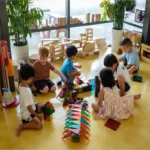
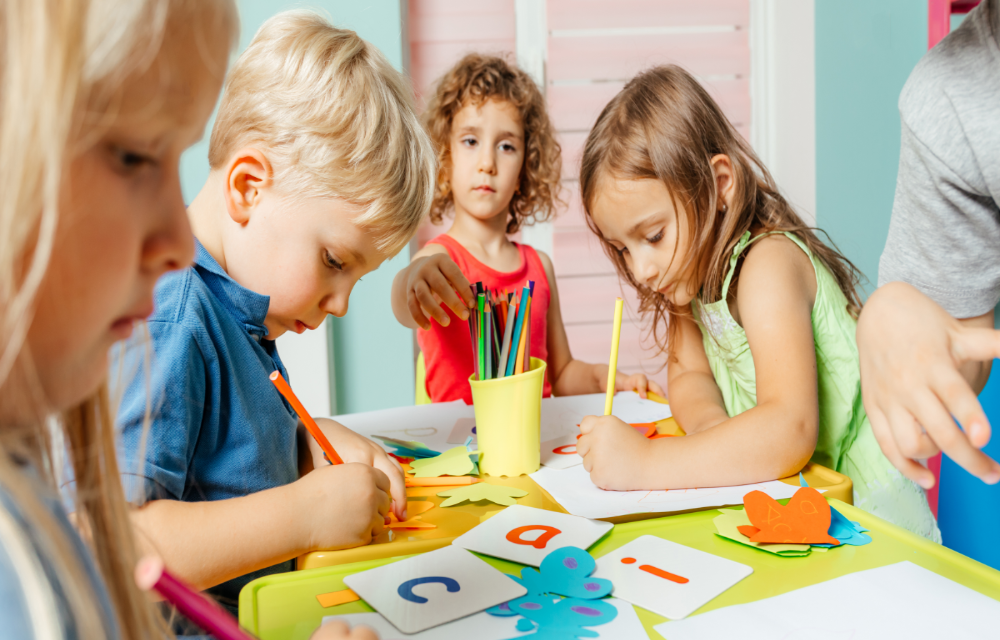
Early childhood education programs serve as the foundation for lifelong growth, focusing on the most formative years of human development—from birth to approximately eight years of age. These programs are designed to nurture children’s physical, cognitive, social, and emotional capacities through structured and unstructured learning experiences. The objectives of early childhood education extend far beyond academic preparation; they encompass the holistic development of young learners to ensure their all-round readiness for the demands of school and society. By introducing stimulating environments, thoughtful pedagogy, and nurturing relationships, early childhood education programs aim to foster curiosity, empathy, independence, and creativity. Their purpose is to shape well-adjusted, competent individuals equipped to navigate the complexities of modern life, while also laying the groundwork for a fair and inclusive society.
Developing Cognitive and Intellectual Abilities
A central objective of early childhood education programs is to enhance cognitive development—the processes of thinking, problem-solving, and understanding. During early childhood, the brain develops rapidly, and structured learning experiences strengthen neural connections associated with reasoning, memory, and perception. Educational activities in these programs introduce basic literacy, numeracy, classification, and logical thinking through play-based and experiential learning. The intent is not to pressure children into early academic achievement but to stimulate intellectual curiosity. When children explore cause and effect, ask questions, and engage in creative thinking activities, they develop enduring cognitive habits that support later academic success. Encouraging critical thought, imagination, and inquiry forms the cognitive backbone of early learning frameworks, promoting an awareness of how to think rather than what to think.
Enhancing Social and Emotional Development
Another key objective of early childhood education programs is the strengthening of social and emotional growth. Interpersonal relationships, empathy, and emotional expression are cultivated through group interactions, cooperative play, and guided reflection. Children learn to share, negotiate, and collaborate with peers, acquiring skills essential for building positive relationships later in life. Teachers help children identify and manage emotions, developing empathy and tolerance for differences. Emotional intelligence is equally important as intellectual ability; it shapes the way children approach challenges, form self-identity, and adapt to various social environments. Programs prioritize emotional well-being by creating safe, inclusive, and nurturing spaces, where trust and belonging become the foundation for all other learning experiences.
Promoting Physical Growth and Motor Skills
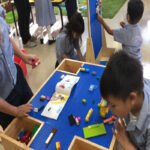
Physical development forms an integral component of early education objectives. Young children must have opportunities to develop both fine and gross motor skills that contribute to their overall health and coordination. Activities such as climbing, running, drawing, and manipulating objects help build muscle strength, flexibility, balance, and hand-eye coordination. Early childhood education programs integrate physical play into daily routines, ensuring that physical activity supports not only bodily development but also cognitive and emotional health. Healthy eating habits, hygiene, and self-care routines are also emphasized to establish lifelong wellness practices. The objective here is to cultivate an awareness of the body and its capabilities, laying a foundation for physical well-being alongside mental development.
Fostering Communication and Language Skills
Language and communication are at the heart of early learning experiences, forming the basis for social interaction, self-expression, and literacy. Early childhood education programs aim to nurture these skills through storytelling, singing, role-play, and conversation-based activities. Exposure to rich linguistic environments accelerates vocabulary expansion and comprehension. Communication is not restricted to verbal expression—it includes listening, understanding nonverbal cues, and appreciating multiple modes of interaction. Children learn to articulate thoughts clearly, ask questions, and engage in meaningful dialogues with peers and adults. Bilingual and multilingual programs are increasingly integrated to reflect cultural diversity and enhance cognitive flexibility. The overarching goal is to enable children to communicate effectively and confidently, fostering both academic readiness and emotional connection with others.
Encouraging Creativity and Imagination
Creativity is one of the most valued objectives in early childhood education programs, as it fuels innovation, curiosity, and independent thought. Imaginative play, art, music, and dramatization allow children to express individuality and experiment with ideas. Creative experiences involve exploration and risk-taking, helping children learn that mistakes are part of the discovery process. Modern curricula emphasize process-oriented learning in artistic activities—valuing creative expression over specific outcomes. Such environments cultivate flexibility, original thinking, and aesthetic appreciation. By encouraging creative pursuits from an early age, educators help children develop intrinsic motivation and adaptability, traits that will serve them well throughout their personal and professional lives.
Building Moral and Ethical Understanding
Moral and ethical formation is another primary objective of early childhood education. These programs foster moral reasoning and social responsibility through routine, role modeling, and storytelling. Children learn core values such as honesty, kindness, respect, and fairness. Teachers introduce moral education by contextualizing lessons in daily experiences—helping children understand the consequences of their actions and the importance of empathy and cooperation. Ethical foundations established in early education create a sense of belonging and accountability. These include respect for diversity, understanding of equity, and a sense of justice. Moral development during the early years supports character formation, guiding children to make responsible decisions based on compassion, empathy, and respect.
Cultivating Independence and Self-Regulation
A fundamental aim of early childhood education programs is to cultivate autonomy and self-regulation. These capacities are essential for readiness in formal schooling and later life. Through age-appropriate responsibilities, children learn to make choices, solve problems independently, and follow routines. Educators encourage children to plan their activities, manage time, and take ownership of their tasks. Self-regulation also involves developing patience, emotional control, and impulse management. Structured schedules, group activities, and guided reflection foster decision-making and resilience. Such skills prepare children to adapt confidently to new environments and challenges. Ultimately, the ability to regulate behavior and emotions nurtures responsible, self-reliant individuals capable of navigating complex social systems.
Promoting Cultural Awareness and Social Inclusion
In an increasingly interconnected world, early education programs have expanded their objectives to include intercultural awareness and inclusivity. Learning environments expose children to diverse traditions, languages, and perspectives to build respect for cultural identity and global citizenship. Through inclusive storytelling, music, and celebration of heritage, children learn that diversity enriches human experience. Inclusion extends to supporting children with disabilities, ensuring accessibility and equal participation in learning activities. By cultivating a sense of belonging for all, early childhood education shapes values of equity, social justice, and compassion. These experiences prepare children to coexist harmoniously in multicultural societies defined by cooperation and mutual respect.
Strengthening School Readiness and Lifelong Learning Habits
Preparing children for formal schooling remains one of the most recognized objectives of early childhood education. School readiness encompasses not only cognitive preparation but also emotional stability, communication competence, and adaptability. Through structured activities that mimic classroom routines, children become familiar with problem-solving tasks, instructions, and group work. Early education also instills a love of learning by associating education with joy, curiosity, and discovery. Teachers introduce foundational academic concepts while maintaining a play-based and interactive approach to ensure balance. By cultivating intrinsic motivation and perseverance, early learning programs establish the foundation for lifelong education, ensuring that children continue to seek knowledge with enthusiasm and confidence.
Supporting Families and Communities
Early childhood education programs function most effectively when families and communities are actively involved. Strengthening family-school partnerships helps create consistency between home and educational environments, reinforcing learning and emotional stability. Parents are often engaged through counseling, workshops, and participatory programs that help them support their child’s growth. Community integration ensures that learning is contextual and relevant, connecting children with cultural and environmental experiences that shape identity and belonging. This collaborative ecosystem amplifies the benefits of early education, creating networks of care that sustain children’s holistic development. The objective extends beyond direct child learning; it is about empowering families and communities to become co-creators in educational reform.
Conclusion
Early childhood education programs are not confined to building academic competence; they are comprehensive frameworks aimed at nurturing the whole child. Their objectives span cognitive development, emotional well-being, creativity, moral reasoning, and social inclusion, all of which interconnect to shape capable, compassionate individuals. These programs strive to instill confidence, independence, and lifelong learning attitudes while fostering respect for diversity and cultural identity. By bridging families, teachers, and communities, early education creates environments where every child can flourish. Investments in these formative years yield not only better educational outcomes but also stronger societies grounded in empathy, innovation, and shared humanity. The objectives of early childhood education ultimately reflect a vision for the future—one where every child has the opportunity to thrive, learn, and lead with purpose.
Hashtags
#EarlyChildhoodEducation #ChildDevelopment #HolisticLearning #CognitiveGrowth #SocialSkills #EmotionalIntelligence #ChildhoodPrograms #PlayBasedLearning #InclusiveEducation #CreativeDevelopment #MoralEducation #EarlyLearningGoals #PhysicalDevelopment #LanguageSkills #SchoolReadiness #FamilyEngagement #CulturalDiversity #EducationEquity #TeacherRole #LifelongLearning #EmpathyInEducation #IndependentLearning #CommunityPartnership #GlobalCitizenship #HolisticGrowth