

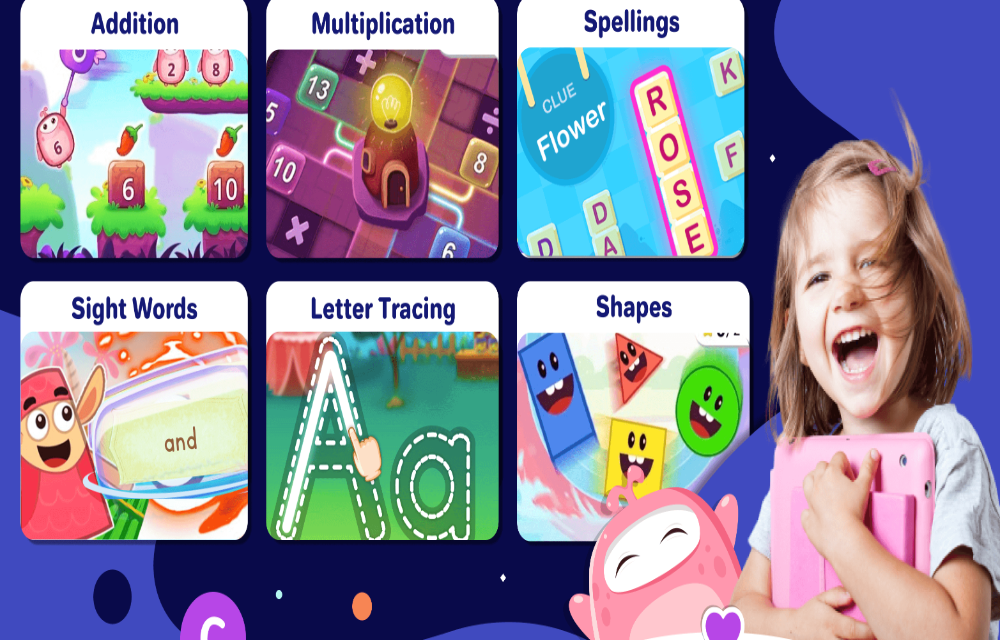
Early learning apps have seen record adoption among parents, reflecting a growing trend of integrating technology into early childhood education. The global market for preschool apps is expanding rapidly, driven by increased access to smartphones and tablets and heightened parental awareness of the importance of early learning. Parents appreciate these apps for their convenience, engagement, and ability to provide personalized learning experiences that complement traditional preschool education. The flexibility of apps allows children to learn at their own pace, reinforcing foundational skills in literacy, numeracy, and social-emotional development.
These apps often incorporate gamified elements, interactive features, and adaptive algorithms powered by artificial intelligence, which help tailor activities to individual children’s learning styles and progress. This personalization enhances motivation and effectiveness, making learning enjoyable and engaging for young children. Moreover, innovative apps are increasingly including content focused on social-emotional learning, helping children build empathy, self-regulation, and communication skills alongside academic abilities. Such holistic approaches respond to growing recognition of the multifaceted nature of early childhood development.
Safety and privacy concerns are taken seriously within this growing market, with developers implementing robust parental controls, ad-free experiences, and strict data protection measures to build parents’ trust. Subscription-based models are becoming more popular, offering families access to a comprehensive library of high-quality content with continual updates, which supports sustained engagement and learning continuity. Partnerships between app developers and early childhood education experts help ensure that digital content is pedagogically sound and culturally sensitive.
The record adoption of early learning apps signals a digital transformation in the early childhood education landscape, with technology serving as a valuable supplement to classroom learning. These tools provide accessible, engaging, and effective learning opportunities, especially for families in remote or underserved areas. As the market continues to grow, ongoing advancements in technology and content development promise to further enrich the early learning experience for children globally, supporting their readiness for school and lifelong learning success.