
Introduction
Play is the essence of early education and one of the most powerful tools through which children explore, learn, and understand the world around them. It serves as both a natural expression of childhood and a structured means of acquiring emotional, social, cognitive, and physical skills. Far from being an idle pastime, play is a purposeful and dynamic process that supports holistic development during the formative years of life. Educational psychologists and child development theorists such as Jean Piaget, Lev Vygotsky, and Maria Montessori have emphasized that play is not separate from learning—it is learning itself. In early education, play provides children with a safe and engaging environment to test ideas, solve problems, cooperate with peers, and express creativity. Through imaginative and purposeful play, children develop foundational competencies that prepare them for school and life.
Understanding the Concept of Play in Early Education
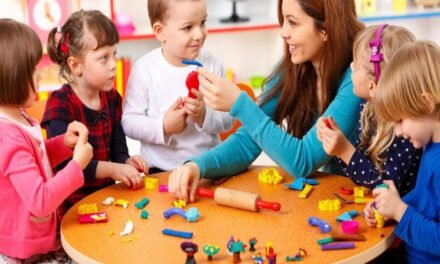
In the context of early education, play is more than spontaneous recreation; it is a structured yet flexible approach to learning that allows children to assimilate knowledge through exploration and experimentation. Play can take many forms, including constructive play, imaginative or pretend play, physical play, and socio-dramatic play. Each type contributes uniquely to a child’s growth. For instance, constructive play develops problem-solving abilities, while imaginative play builds social understanding and emotional intelligence. Modern educators recognize that children learn best through hands-on experiences rather than passive instruction. The role of play in early education, therefore, is to transform abstract concepts into tangible experiences that children can relate to and build upon in their cognitive development. When teachers incorporate play into the curriculum, they transform classrooms into interactive environments that stimulate curiosity and engagement.
The Cognitive Significance of Play
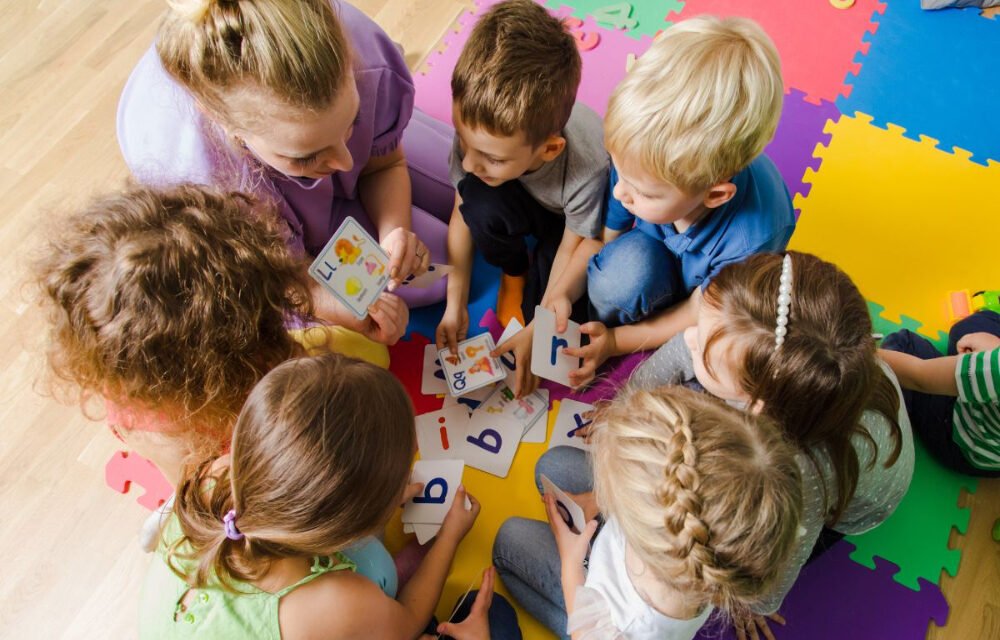
Play has profound effects on cognitive development during early childhood. When children engage in activities that encourage exploration and imagination, they are essentially developing critical thinking, reasoning, and memory. Block building, puzzles, and matching games help children understand spatial relationships, classification, and sequencing—skills essential for later academic learning in mathematics and science. Pretend play encourages symbolic thought as children assign meaning to objects and roles. Through such activities, they learn to think abstractly and solve problems creatively. Play also enhances language acquisition, as conversations and narratives unfold naturally during games and role-playing. It is through play that children learn to plan, predict outcomes, and evaluate decisions—key cognitive processes that underpin lifelong learning. Early education programs that integrate play-based learning show significant improvement in children’s attention spans, creativity, and academic readiness.
The Role of Play in Emotional Development
Play provides a critical avenue for emotional growth by allowing children to express feelings and experiences in a safe and controlled manner. It acts as a medium for emotional regulation, helping children understand their emotions and cope with challenges. Through pretend play or storytelling, children reenact life situations that may be confusing or upsetting, gaining mastery over those emotions. This form of self-expression builds emotional resilience and self-awareness. Moreover, play fosters joy, curiosity, and a sense of achievement, all of which contribute to positive self-esteem. When guided appropriately, play experiences can help children develop empathy by allowing them to role-play different perspectives. Early education settings that prioritize emotional play create well-rounded individuals with the ability to manage stress and empathize with others. Emotional intelligence developed through play later translates into better interpersonal relationships and mental well-being.
Social Development Through Play
Social interaction is a defining feature of play and a foundational element of early education. During play, children learn how to cooperate, negotiate, share, and resolve conflicts—skills central to successful social behavior. Group play teaches children the importance of rules, teamwork, and communication. It also allows them to experiment with social roles and boundaries, paving the way for understanding complex social hierarchies in later life. Teachers act as facilitators, guiding children toward collaborative play that enhances inclusivity and respect for diversity. For instance, when children engage in role-playing or team activities, they learn community values such as fairness, patience, and cooperation. Play also diminishes social anxiety by encouraging participation in informal, pressure-free environments. The role of play in fostering social competence ensures that children enter school not only with intellectual readiness but with the ability to build healthy interpersonal relationships.
Enhancing Physical and Motor Development
Play is essential for the physical development of children as it strengthens motor skills, coordination, balance, and spatial awareness. Activities such as climbing, running, jumping, and dancing contribute to the growth of muscles and skeletal strength. Fine motor development is equally essential, and play activities like drawing, stacking blocks, or threading beads enhance hand-eye coordination and dexterity. In early education, movement-based play teaches children about body awareness and encourages the development of self-confidence through mastery of physical tasks. Outdoor play also contributes to sensory development, allowing children to explore textures, sounds, and natural phenomena. Physical play supports overall health by enhancing cardiovascular fitness and maintaining a healthy weight. It also improves focus and impulse control, as active play provides natural outlets for excess energy. These physical benefits reinforce the importance of integrating daily play into early childhood education schedules.
Fostering Creativity and Imagination
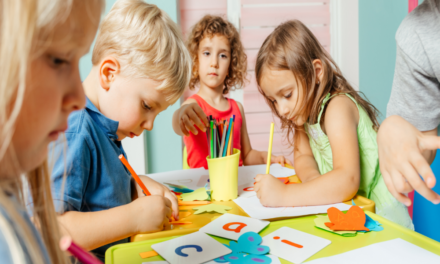
One of the most transformative roles of play in early education is its ability to unleash creativity and imagination. Through artistic expression, fantasy scenarios, and storytelling, children develop innovative thinking and an appreciation for aesthetic experiences. Creative play allows children to step outside reality and explore the world through different perspectives. This imaginative thinking fosters cognitive flexibility and adaptability, which are crucial in a rapidly changing world. Encouraging open-ended play, where there are multiple solutions and interpretations, teaches children that creativity is not confined to correctness but thrives on exploration. Teachers who promote creative play through art, music, and drama lay the groundwork for problem-solving and innovation. It is through creativity that children learn to challenge boundaries, express individuality, and transform abstract ideas into tangible results—the building blocks of future invention and design.
Developing Moral Understanding Through Play
Moral education in early childhood is often achieved not through direct instruction but through experiential learning embedded in play. When children participate in cooperative games, they encounter concepts of fairness, honesty, and responsibility. Structured play that involves following rules teaches ethical decision-making and accountability. Role-playing enables children to explore moral dilemmas and understand the consequences of actions in a safe environment. Through these experiences, children internalize societal norms and moral values. Teachers often use group play to reinforce kindness, sharing, and respect for others’ viewpoints. As a result, play fosters empathy and moral imagination—the ability to foresee how one’s actions affect others. When children learn to play fairly and cooperatively, they build a foundation for ethical conduct and civic responsibility. Early education programs that encourage such moral formation through play contribute significantly to shaping socially conscious individuals.
Play as a Bridge Between Home and School Learning
Play functions as a natural bridge connecting the familiar environment of home with the structured atmosphere of formal education. At home, children engage in unstructured play, drawing from daily life and family interactions. Early education leverages this natural inclination by introducing structured play that gently transitions children into academic settings. Activities such as pretend classrooms, counting games, or collaborative storytelling teach school readiness without imposing rigid discipline. The comfort and joy derived from play alleviate the anxiety often associated with entering new educational environments. Furthermore, play supports parent-teacher collaboration, as caregivers can extend similar play-based learning at home, reinforcing consistency in behavior and learning. Thus, play acts as a unifying medium linking early experiences with formal learning goals, creating a seamless developmental continuum for the child.
Integrating Play in the Modern Educational Framework
Contemporary educational systems are increasingly embracing play-based pedagogies, acknowledging that early learning is most effective when rooted in engagement and enjoyment. The integration of play supports national and global education standards aiming for holistic development. Teachers are trained to design lesson plans that incorporate both guided and free play to balance structure with creativity. Modern classrooms include sensory corners, interactive digital tools, and outdoor environments that encourage exploration through play. As technology becomes a part of children’s lives, digital play also emerges as an educational resource, providing interactive learning opportunities while maintaining playfulness. Nevertheless, care is taken to ensure that such play maintains human interaction and does not replace physical or imaginative experiences. By maintaining play as a central learning method, education systems ensure that learning remains joyful, relevant, and developmentally appropriate.
Conclusion
The role of play in early education is both foundational and transformative. It cultivates emotional balance, cognitive growth, social understanding, physical fitness, and moral integrity. Through play, children gain self-awareness, confidence, and curiosity—the essential traits of lifelong learners. Far from being a break from education, play is its most authentic form, where imagination and intellect intertwine to produce meaningful understanding. Early education that integrates play lays the foundation for academic success, emotional stability, and social harmony. It prepares children not only for school but for life, nurturing individuals who can think creatively, empathize deeply, and act responsibly. The central philosophy of early education must therefore continue to recognize play as the heart of learning—the natural, joyful, and essential path through which every child discovers their potential.
Hashtags
#EarlyChildhoodEducation #PlayBasedLearning #ChildDevelopment #HolisticEducation #CreativeLearning #SocialSkills #EmotionalDevelopment #CognitiveGrowth #PhysicalDevelopment #MoralEducation #EarlyYears #LearningThroughPlay #ChildhoodPrograms #InclusiveEducation #EducationalInnovation #TeacherGuidedLearning #ActiveLearning #ChildEmpowerment #EarlyLearning #PlayAndDiscovery #LearningEnvironment #FamilyEngagement #ImaginativePlay #LifelongLearning #HolisticGrowth