

Introduction
Encouraging independent learning is a vital goal of modern education that empowers students to take ownership of their educational journey. Independent learning fosters critical thinking, self-motivation, and lifelong skills by enabling learners to explore topics autonomously, establish goals, and evaluate their progress. Educators facilitate this process by creating supportive environments that blend guidance with autonomy, cultivating confident, self-directed learners. This essay outlines essential strategies and approaches educators use to promote independent learning effectively, emphasizing the transformative impact on student development and academic success.
Creating a Student-Centered Learning Environment
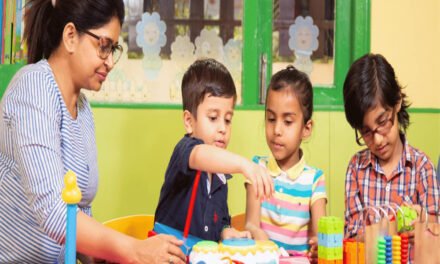
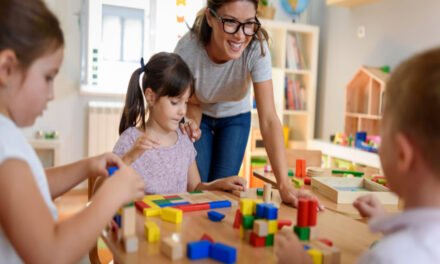
A fundamental step in encouraging independent learning is designing classrooms that prioritize student autonomy and engagement. Educators arrange physical spaces and learning resources in ways that invite exploration and choice. Flexible seating, accessible materials, and technology integration allow students to select activities aligned with their interests and learning preferences. This environment fosters intrinsic motivation by respecting individual agency and promoting curiosity. By stepping back from teacher-centered instruction, educators create opportunities for learners to navigate their paths, fueling ownership and commitment.
Setting Clear Expectations and Goals
Independent learning thrives when students understand the purpose and expectations of their learning endeavors. Educators communicate clear learning objectives and success criteria, providing frameworks within which students can exercise autonomy. Goal-setting activities encourage learners to define personal targets that reflect their strengths and areas for growth. These goals act as motivation anchors and guide learners’ exploration and self-assessment efforts. When students see their goals connected to meaningful outcomes, they develop resilience and persistence essential for independent study.
Modeling and Scaffolding Learning Processes
Teachers play an active, though subtle, role in guiding independent learning by modeling effective strategies and providing scaffolds. Demonstrating techniques such as information retrieval, note-taking, problem-solving, and reflection equips students with tools they can internalize and apply independently. Scaffolding includes breaking complex tasks into manageable parts, offering timely feedback, and gradually fading support as competence grows. This approach supports learners’ gradual transfer of responsibility, balancing challenge with achievable progress and avoiding frustration or dependency.
Promoting Critical Thinking and Inquiry
Encouraging independent learning involves nurturing students’ capacity to ask questions, analyze information, and synthesize knowledge. Educators promote inquiry through open-ended questions, research projects, debates, and problem-based learning. These strategies stimulate cognitive engagement and require learners to critically evaluate multiple perspectives and solutions. Critical thinking activities compel students to move beyond memorization, developing deeper understanding and judgment. Such intellectual autonomy is central to independent learning development and lifelong learning competency.
Incorporating Collaborative Learning Opportunities
Although independent learning emphasizes individual agency, collaborative experiences enrich and complement this process. Educators design group activities where students share knowledge, provide peer feedback, and co-construct understanding. Peer teaching roles empower students to consolidate learning by articulating ideas and assisting classmates. Collaborative learning fosters social skills, communication, and perspective-taking, while still allowing students to practice autonomy within teams. This balance enhances engagement and supports diverse learning needs.
Using Technology and Digital Resources
Technological tools immensely facilitate independent learning by providing flexible, personalized, and interactive educational experiences. Educators integrate digital platforms such as educational games, simulations, self-paced modules, and virtual libraries to broaden access and engagement. Technology supports differentiated instruction, allowing students to explore topics at varied depths and speeds. Moreover, digital tools enable learners to track progress, reflect, and access resources beyond the classroom, cultivating autonomy and responsibility in managing learning paths.
Encouraging Self-Assessment and Reflection
Self-assessment is a powerful practice that promotes metacognition and independent learning. Educators encourage students to evaluate their work, identify strengths and weaknesses, and set new learning goals. Reflection journals, checklists, and rubrics are effective tools that support this process. By guiding learners to think critically about their progress, educators foster self-awareness and accountability. Regular reflection develops a growth mindset and motivates continued effort, essential traits for independent learners.
Supporting Learner Motivation and Engagement
Intrinsic motivation is a cornerstone of independent learning, and educators actively nurture this through autonomy-supportive teaching. Providing choices in topics, projects, and methods caters to students’ interests and sense of control. Positive feedback and recognition reinforce competence and effort, enhancing self-efficacy. Educators cultivate a classroom culture celebrating curiosity, risk-taking, and perseverance, enabling learners to view challenges as opportunities for growth. Motivated students exhibit greater persistence and enjoy deeper engagement in independent learning endeavors.
Conclusion
Promoting independent learning requires educators to thoughtfully balance guidance with student autonomy, fostering environments where learners actively explore, set goals, think critically, collaborate, and reflect. By modeling effective strategies, integrating technology, and supporting motivation, teachers prepare students to take responsibility for their learning journeys. Encouraging independence not only enhances academic outcomes but instills lifelong skills of self-regulation, problem-solving, and resilience pivotal for success beyond school. Educators’ intentional actions ultimately empower learners to become confident, capable, and self-directed individuals.
Hashtags
#IndependentLearning #StudentAutonomy #CriticalThinking #SelfDirectedLearning #ActiveLearning #GoalSetting #ReflectivePractice #CollaborativeLearning #TechnologyInEducation #Metacognition #TeacherRole #MotivationInLearning #PersonalizedLearning #LifelongLearning #EducationalStrategies #GrowthMindset #SelfAssessment #InquiryBasedLearning #PeerTeaching #ClassroomEnvironment #LearningTools #Responsibility #StudentEngagement #FlexibleLearning #EducationInnovation