

Introduction
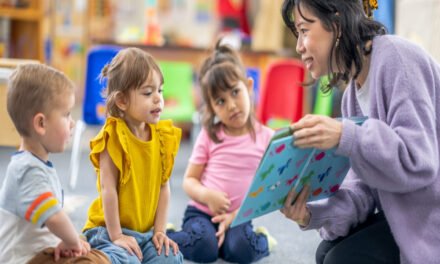
The environment has a profound influence on learning behavior, shaping how individuals receive, process, and apply information. From physical surroundings to social interactions to psychological contexts, various environmental factors together create a framework within which learning occurs. Understanding how environment impacts learning behavior is crucial for educators, parents, and policymakers aiming to optimize educational outcomes. This essay unpacks the multifaceted role of environmental influences on learning behavior, drawing insights from psychological, social, and educational perspectives to emphasize the importance of designing supportive and stimulating environments.
Physical Environment and Learning
The physical environment, including classroom size, lighting, acoustics, temperature, seating arrangements, and access to resources, significantly affects learners’ ability to concentrate and engage. An organized, well-lit, comfortable, and aesthetically pleasing space facilitates focus and motivation. For example, excessive noise and poor lighting can disrupt attention and increase stress, reducing information retention. Conversely, enriching environments with diverse materials invite exploration and hands-on learning, promoting active engagement. Physical comfort and accessibility also contribute to students’ sense of safety and well-being, foundational for effective learning.
Social Environment and Interpersonal Influences
The social environment encompasses relationships among learners and between learners and instructors. Positive social interactions and supportive peer groups create a climate of trust, collaboration, and mutual encouragement. This environment fosters risk-taking, questions, and shared problem-solving, vital for deep learning. Teacher warmth, responsiveness, and clear expectations guide social behavior, reducing anxiety and promoting focus. Conversely, hostile or competitive social environments can inhibit participation and motivation. Social norms and group dynamics also shape learners’ attitudes toward effort, persistence, and the value of education.
Emotional and Psychological Environment
Learners’ emotional states are intricately linked to the environment they inhabit. Environments that offer emotional support, positive feedback, and recognition of effort enhance learners’ self-esteem and resilience. Safe emotional environments reduce fear of failure and anxiety, allowing learners to tackle challenges confidently. Psychological safety encourages curiosity and creativity, essential for cognitive growth. Stressful or high-pressure contexts, on the other hand, activate defensive mechanisms, limiting attention, memory, and higher-order reasoning abilities. Mindful management of psychological environment is thus critical for optimizing learning behavior.
Cultural and Linguistic Environmental Factors
Cultural backgrounds and linguistic diversity contribute unique perspectives that influence learning behavior. Environments receptive to multiple languages and cultures foster identity affirmation and inclusion, motivating engagement. When curricula and teaching practices reflect learners’ cultural experiences, relevance and meaning increase, promoting positive attitudes toward learning. Ignoring cultural factors can lead to alienation and decreased participation. Therefore, culturally responsive environments adapt to diverse learner backgrounds, building bridges for knowledge construction.
Environmental Stimulation and Cognitive Development
The richness of environmental stimuli influences cognitive development and learning pathways. Exposure to varied sensory, linguistic, and intellectual experiences supports neural growth and connections. For example, access to books, puzzles, music, and technology provides essential inputs that broaden knowledge and problem-solving capabilities. Conversely, impoverished or monotonous environments may limit cognitive stimulation, impacting academic achievement and motivation. Stimulating environments encourage exploration, questioning, and mastery learning, promoting autonomous and sustained engagement.
Role of Family and Community Environment
Beyond the classroom, familial and community environments exert significant influence on learning behavior. Supportive families who value education provide emotional encouragement and learning opportunities, shaping positive attitudes and habits. Community resources such as libraries, museums, and extracurricular programs enrich experiences, reinforcing curiosity and skill development. Socioeconomic challenges or instability within family and community can create barriers, including limited resources or higher stress, that hinder learning. Addressing these environmental disparities is necessary to promote equitable educational outcomes.
Technology and Digital Environment
In contemporary learning contexts, technology and digital environments play a transformative role. Interactive platforms, multimedia resources, and virtual collaboration create new modalities for engagement and personalized learning. Digital environments that are thoughtfully designed foster motivation, feedback, and scaffolding, meeting diverse learner needs. However, overexposure or poorly structured digital environments may cause distraction or cognitive overload. Balancing technology use within supportive environments enhances focus, creativity, and digital literacy vital for modern education.
Environmental Impact on Motivation and Behavior Regulation
Learning behavior is closely tied to motivation and self-regulation, both of which are influenced by environmental cues and reinforcements. Environments that provide clear expectations, consistent feedback, and opportunities for success promote intrinsic motivation and discipline. Positive reinforcement systems and emotionally safe spaces encourage persistence and effort. In contrast, chaotic, unpredictable, or punitive environments may increase behavioral disruptions and disengagement. Carefully designed environments enable learners to develop autonomy, responsibility, and adaptive learning behaviors.
Conclusion
The environment shapes learning behavior through complex, interrelated physical, social, emotional, cultural, familial, and digital factors. Well-designed, supportive environments foster attention, motivation, cognitive growth, social engagement, and emotional well-being, all critical for effective learning. Addressing disparities and dynamically adapting environments to learners’ diverse needs maximizes educational inclusion and equity. Recognizing and harnessing the power of environment as an active component of learning enriches educational practice and promotes lasting academic and personal success.
Hashtags
#LearningEnvironment #EducationalPsychology #CognitiveDevelopment #SocialLearning #EmotionalWellbeing #CulturalResponsiveness #FamilyEngagement #DigitalLearning #MotivationInLearning #SelfRegulation #InclusiveEducation #ClassroomDesign #EarlyChildhoodEducation #StudentEngagement #TeachingStrategies #LearningBehavior #EducationalEquity #Neurodevelopment #PositiveReinforcement #PeerCollaboration #LearningMotivation #TechnologyInEducation #AcademicAchievement #ClassroomManagement #SupportiveLearningEnvironment